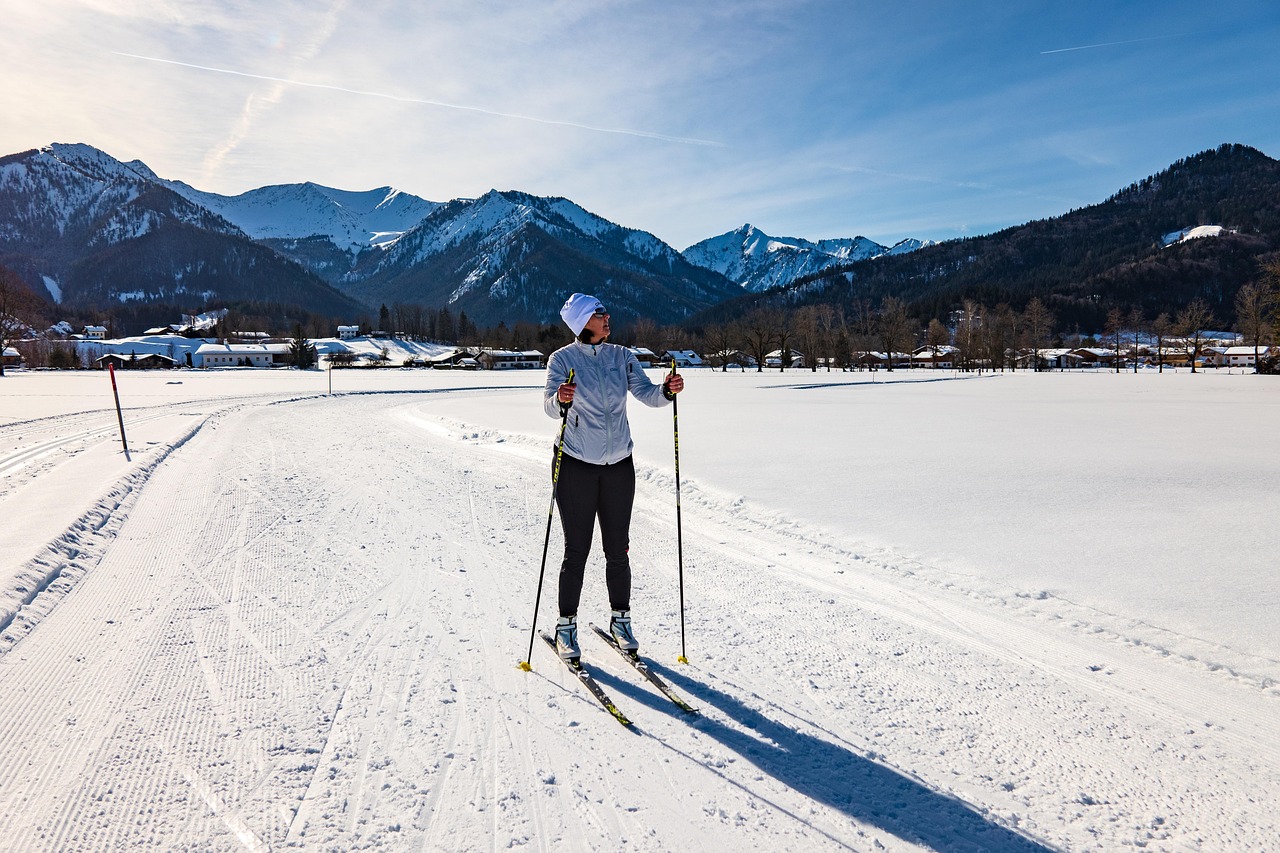

Adapting Your Technique to Different Snow Conditions
Cross-country skiing can greatly vary depending on snow conditions. Understanding how to adapt your technique is crucial for an enjoyable experience. Each type of snow, whether powder, crust, or slush, presents unique challenges. In powder snow, for example, you’ll want to distribute your weight to ensure maximum floatation. Leaning too far forward can cause you to sink, making it difficult to glide smoothly. Instead, focus on a balanced stance and use a wider ski stance to maintain stability. Stride and glide techniques should emphasize a powerful kick to propel you forward while keeping your core engaged for control. Alternatively, on icy surfaces, maintaining speed is vital to avoid slips. Here, shorter, more frequent strides will help you stay stable. Keeping your skiing poles engaged ensures you maintain power while pushing off as well. To excel in tricky conditions, practice adaptability in your stride, technique, and balance. You can train your body in various environments, enhancing muscle memory, which translates into greater stability and enjoyment while skiing, regardless of snow conditions.
When it comes to skiing on hard-packed snow, your technique must also change. Hard-packed snow provides an excellent grip but can lead to increased fatigue. To maintain efficiency, focus on a streamlined technique that conserves energy. First, ensure that your body position is slightly more upright compared to softer snow conditions. This stance will allow you to glide more efficiently, reducing resistance. Your kick should be firm but controlled, helping to propel you without compromising your rhythm. Practicing techniques like double poling can also enhance your performance on these surfaces; it’s essential for generating momentum without excessive leg exertion. In addition, use your poles more actively to support your weight distribution while you stride. This method transfers energy efficiently from your arms through the poles to your body, maximizing propulsion. Always keep your eyes forward, scanning the terrain for changes. Be prepared to make quick adjustments to your technique based on local conditions. Understanding how to feel the snow beneath you will ultimately help you adapt more effectively and confidently. Training in such environments allows you to prepare for various conditions at races or leisure skiing.
Techniques for Different Snow Profiles
The profile of the snow can significantly impact your skiing technique. For example, wet or slushy snow typically requires specific adaptations in your skiing method. When facing these conditions, it’s essential to alter your balance. Your weight should be slightly more centered over your skis to prevent sinking into the slushy surface. Additionally, focus on maintaining a continuous motion, as abrupt movements can cause you to lose control and tumble. Flexing your knees slightly will allow you to absorb bumps, which can be particularly helpful in uneven terrain. Moreover, quick, short strides become beneficial here; they will keep your momentum while navigating through challenging surfaces. Don’t forget that hydration and proper dress can play a significant role in your exertion levels too. Always be aware of your limits, and take breaks when needed. This adjustment to your skiing technique can make all the difference between a frustrating day and a fun outing. Equipping yourself with the knowledge of how to handle varied snow conditions will ultimately contribute to your overall skiing performance. A little preparation can greatly enhance your performance and enjoyment on slushy days.
Apart from varying snow types, temperatures also influence your skiing approach. Colder conditions often create a different type of snow that feels harder and slicker, requiring adjustments to grip and power application. When skiing in these frigid climates, consider using wax more frequently. The right wax for cold conditions enhances glide while also providing grip. Be sure to consult a local expert for the best options suited to the day’s conditions. Additionally, in low temperatures, your movements also tend to freeze, so begin easy and gradually increase intensity as you warm up. Staying loose and relaxed in your technique during early runs will lead to less chance of injury. Using shoulder rotation as you skate can also improve efficiency and power. Always be aware of the temperature, as it could signal impending conditions that may change throughout your skiing day. Assessing your body’s response to cold is essential when keeping energy levels up while enjoying your time on the slopes. Focusing on technique alongside having the proper gear prevents fatigue and ensures a more enjoyable experience overall.
Importance of Technique Adaptation
The importance of adapting your skiing technique cannot be overstated. Mastering this skill has implications that extend beyond individual performance, influencing your overall skiing career. A skier who can adjust effectively will experience greater levels of satisfaction and success over time. Each condition presents learning opportunities, allowing for a robust skill set to develop. Being able to ski effortlessly in varying textures and conditions boosts your confidence. Increased confidence leads to a willingness to take on higher challenges, both in skill and terrain complexity. Equipping yourself with this adaptive mindset will aid in personal growth and progress within the sport. Additionally, such adaptability fosters strong decision-making abilities on the snow, ensuring that you are prepared to face any unexpected changes in conditions during your runs. This readiness opens doors for exploration in off-piste or less traditional skiing terrains. Always be reflective about your experiences and continue learning, adjusting, and honing your techniques. Taking skiing classes or working with a coach can significantly enhance your adaptability and technique. Valuable feedback often leads to improvements that may not be evident to you alone.
Participating in diverse skiing events can serve as excellent practice for enhancing your skills. Entering both competitive and recreational races offers valuable exposure to various snow conditions, sharpening technique further with every run. This exposure helps train your body to sense changes quickly, making it vital to succeed when conditions become unpredictable. Feedback systems, like video analysis or coaching advice, also help refine your adaptive tactics. It ensures that you’re not only reacting to conditions but also developing proactive strategies that consider various snow profiles. Competition not only encourages better techniques but can also improve your mental resilience. Approaching each race with an adaptive mindset allows you to handle pressure more effectively. Always seek to learn from fellow skiers and share experiences regarding optimization in varied conditions. Observe how seasoned skiers adapt when facing tricky conditions; this knowledge can provide insights into enhancing your performance. Remember to analyze your techniques after each outing or training session, as reflective practice often leads to improvements. Keeping a skiing journal can also track your adaptations, techniques, and personal feelings during skiing adventures, leading to growth.
Conclusion: Embracing Diverse Challenges
Adapting your technique to different snow conditions forms the foundation of being a successful cross-country skier. Embracing the challenges posed by varying snow textures and temperatures enables you to grow immensely as an athlete. This growth takes time and practice; hence, approach your skiing journey with patience and consistency. Engage in different areas, connecting with fellow enthusiasts or instructors dedicated to refining their skills in multiple conditions. Adaptability enriches the skiing experience, promoting harmony and enjoyment when evolving in one’s capabilities. Balance between refinement and exploration leads to discovering personal strengths and preferences. Gradually challenge yourself to ski in more demanding snow conditions, while ensuring you remain aware of safety precautions. Familiarize yourself with techniques for maintaining stability in tough conditions, which builds confidence and skill. Diving into different snow patterns will also enhance your appreciation for winter sports overall. Finally, every snowy day presents new learning opportunities. Focus on the joy and freedom of skiing, and continue your journey towards mastery forever.
Exploring the world of skiing opens doors to experiences that shape your life profoundly. As you continue to adapt and improve, each run becomes more enriching. Remember that your passion, grounded in skillful adaptation, will keep you returning to the snow, ready for anything.