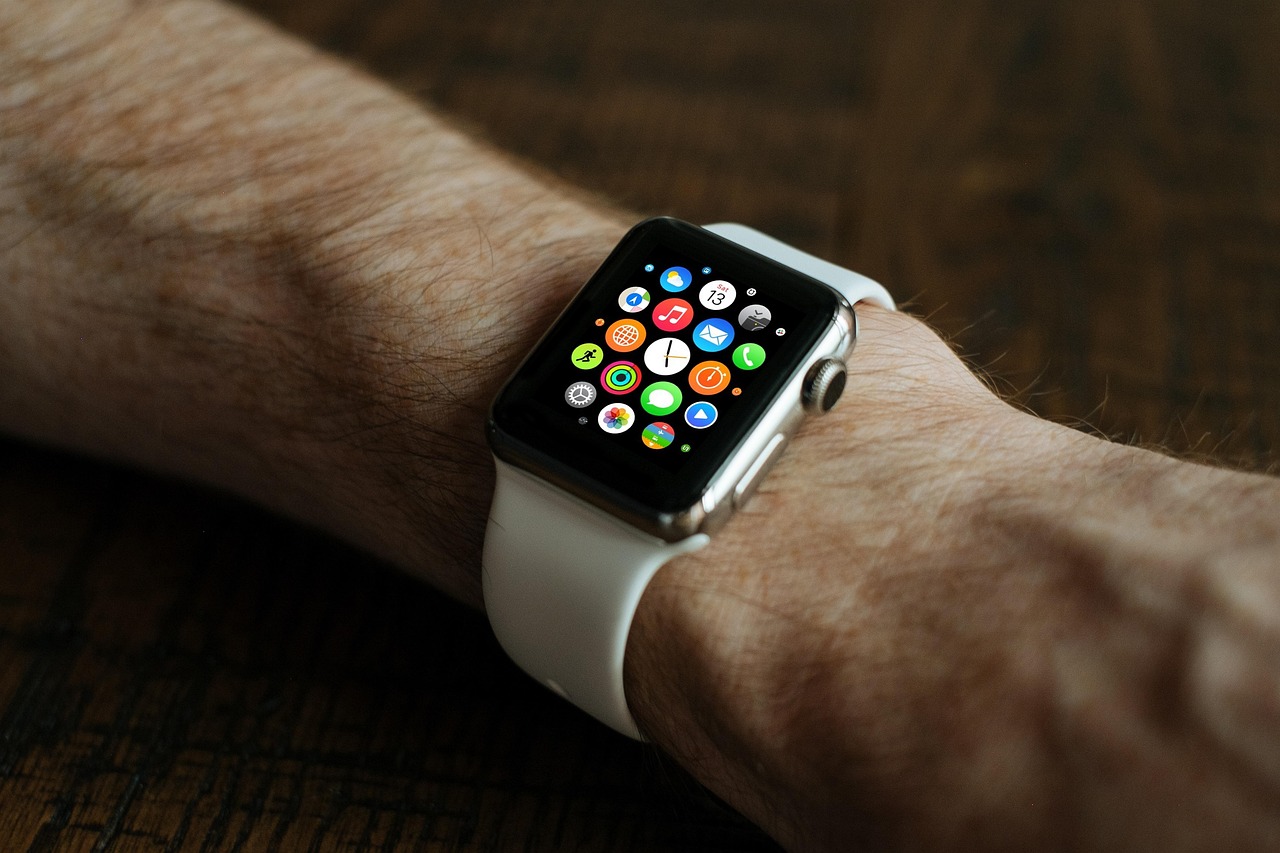

Health Monitoring Apps That Sync with Wearable Devices
Health monitoring apps play a crucial role in helping individuals track their fitness levels and overall health. With the advancement of technology, many of these apps now sync seamlessly with wearable devices, providing real-time data and making health management easier. These applications record various health metrics such as heart rate, sleep patterns, physical activity, and calorie intake. One major benefit of health monitoring apps is their ability to aggregate data from multiple sources, allowing users to get a comprehensive view of their health. Some popular health monitoring apps include MyFitnessPal, Fitbit, and Apple Health. By connecting with wearable devices like smartwatches or fitness trackers, users can receive notifications, set goals, and track progress over time. Furthermore, the integration of these apps with wearables facilitates motivation through gamification and community challenges. Users can compete with friends or participate in challenges that boost engagement and adherence to fitness routines. Overall, health monitoring apps paired with wearable technology can significantly enhance the user’s commitment to maintaining a healthier lifestyle, providing valuable insights and accountability.
In addition to tracking physical activity and health metrics, health monitoring apps also focus on providing educational content related to fitness and wellness. Many apps offer personalized recommendations based on user data, helping individuals make informed choices regarding their diet and exercise routines. Some health monitoring apps include features that allow users to input their meals for calorie tracking and nutritional analysis. This incorporation of food logging can help individuals understand their eating habits better and identify areas for improvement. Furthermore, many apps like Lose It! and Cronometer provide extensive databases of foods, making it easy to track nutrient intake. Users can find inspiration for healthy recipes and meal plans directly within the app, creating a more holistic approach to health management. Notifications and reminders can also be set up within these applications, ensuring users stay on track with their health goals. In conjunction with wearable devices, the data collected can be used to personalize workout programs and suggest recovery strategies based on the user’s activity levels and biometric feedback.
Features of Top Health Monitoring Apps
When selecting a health monitoring app to partner with wearable devices, key features should be taken into account. First, an intuitive user interface is crucial to enable ease of use. Apps offering rich visualizations of data, such as charts and graphs, allow users to quickly interpret their progress. Compatibility is also essential; users need to ensure their chosen app syncs effectively with their specific wearable device. Moreover, many apps provide customizable settings that cater to individual goals, whether it is weight loss, muscle gain, or improved endurance. Another important aspect is the availability of community features. Some apps encourage social sharing and community building, which can boost motivation and adherence to fitness regimens. Support from friends or fellow users fosters a sense of accountability, ultimately leading to better results. Lastly, consider rewards or achievements incorporated within the app, which promote engagement. For example, Apple Health offers rewards for reaching certain milestones, encouraging users to stay consistent with their health routines. This layered approach can enhance user experience and promote health maintenance sustainably.
Integration with other health platforms further enhances the capabilities of health monitoring apps. Many of these apps allow data sharing with different platforms, enabling a more comprehensive health profile. Users can connect their app to health management systems provided by healthcare professionals, allowing for better monitoring of chronic conditions. For instance, if a user has diabetes, their app can sync with devices that monitor glucose levels. This provides healthcare providers with real-time information which can be analyzed to adjust treatment plans accordingly. Moreover, apps that integrate mental health features offer users insights into their emotional well-being, allowing for a more rounded approach towards health. Mindfulness training, reminders for meditation, and stress management tips are valuable additions to many health apps today. Additional functionalities may revolve around the implementation of telehealth services, allowing users to consult healthcare professionals directly through the app. As technology continues to evolve, it presents new opportunities for enhancing health monitoring apps, making them indispensable tools for managing overall wellness more effectively.
Benefits of Syncing with Wearable Devices
Syncing health monitoring apps with wearable devices has significant benefits for users adopting a healthier lifestyle. One of the primary advantages is the ease of obtaining real-time data. Wearable devices collect and transmit information like heart rate, activity levels, and sleep quality directly to the app. This immediacy of data allows users to make instant adjustments to their fitness routines and lifestyle choices. Furthermore, the data collected over time can reveal patterns, helping users set realistic and achievable goals. Another benefit is motivation; wearables frequently give users feedback in the form of notifications or reminders to keep them engaged throughout the day. Many users find that having a wearable device acts as a constant reminder to stay active, leading to increased physical activity levels. Additionally, syncing these devices helps streamlining the process of tracking progress as all readings are conveniently presented in one location. Many apps also provide insightful analytics based on user data, enabling individuals to optimize their workouts and recovery time, thus promoting a more well-rounded approach to health and fitness.
The security of personal health data remains a significant concern when using health monitoring apps in conjunction with wearable devices. Users must be aware of the privacy settings and data-sharing policies of the applications they choose. Most reputable apps implement robust security measures to protect user data; however, understanding the terms of service is essential. Features such as two-factor authentication and encryption become crucial to guard sensitive information against unauthorized access. Additionally, individuals should consider opting for applications that allow them to control the type of data shared with third parties. Many apps provide flexibility in adjusting privacy settings, allowing users to determine which metrics they want to share and which ones remain private. It is advisable to regularly update applications for the latest security patches and improvements. Furthermore, reading user reviews and seeking expert opinions can offer insights into the reliability and trustworthiness of a given health monitoring app. Prioritizing these security measures helps users enjoy the benefits of syncing wearable devices and health monitoring apps while ensuring their privacy remains intact.
Conclusion
In conclusion, health monitoring apps that sync with wearable devices present an amazing opportunity for individuals seeking to enhance their health management journey. By providing real-time data integration, educational resources, and community interaction, these apps are becoming pivotal tools in the fitness landscape. Users can track various metrics, gain personalized insights, and share their progress with others, creating an engaging experience. As technology continues to advance, the functionality and features of these apps will likely expand, offering even greater personalization. It is essential to choose the right app that aligns with personal goals while also ensuring robust security measures are in place to protect personal health information. By combining a proactive approach to fitness with the data-driven insights afforded by wearable technology, individuals can achieve better health outcomes and maintain their motivation throughout the journey. Overall, integrating health monitoring apps with wearable devices is a sensible choice for anyone ready to commit to improving their health and fitness levels.