
Preventing Muscle Cramps in Seniors Through Adequate Hydration
Hydration is critical for all age groups, but it becomes increasingly important for seniors. As individuals grow older, their body’s ability to retain moisture diminishes, leading to a heightened risk of dehydration. Dehydration can significantly impact muscle function, contributing to issues such as muscle cramps. These cramps can occur during physical activity, even mild exertion, affecting seniors’ overall mobility and balance. Thus, adequate hydration should be emphasized as an essential part of seniors’ health regimens. Proper hydration helps maintain electrolyte balance, which is key in preventing cramps. It is important for seniors to understand the signs of dehydration, such as diminished thirst and dry mouth, to better manage their fluid intake. Engaging in regular wellness checks can ensure hydration needs are met and effectively maintained. Additionally, drinking water before, during, and after physical activities is highly advised. Incorporating hydration strategies into daily routines can significantly enhance the quality of life for seniors, allowing them the freedom to be active. Ensuring proper hydration ultimately aids in maintaining physical independence during their golden years.
Several factors contribute to dehydration in seniors that individuals should be aware of. One major factor is the natural decline in thirst sensation that often accompanies aging. This reduction can lead seniors to consume less water than necessary. Medications, often prescribed to seniors, can also impact hydration levels, with diuretics being a prime example by promoting fluid loss. In addition, age-related medical conditions, ranging from diabetes to gastrointestinal issues, can affect how the body manages fluids. These conditions may complicate the already delicate balance of hydration for older adults. It is crucial that seniors monitor their fluid intake closely and opt for both water and hydrating foods to meet their hydration goals. Foods such as fruits and vegetables can provide significant hydration as part of a balanced diet. Awareness of these hydration challenges can empower seniors. They can then take proactive steps to mitigate risks associated with dehydration. Simple strategies may include setting reminders to drink water or carrying a water bottle. Their health professionals can play a crucial role in educating and guiding seniors on proper hydration methods and benefits.
Identifying Symptoms of Dehydration
Identifying dehydration quickly can help prevent muscle cramps and other complications for seniors. Common signs include dry mouth, fatigue, dizziness, and excessively dark urine. Any of these symptoms should be taken seriously. Monitoring urine color can act as an informal but effective gauge of hydration. Aim for a pale yellow hue, which usually indicates proper hydration levels. Should urine appear dark, this suggests that it is time to increase fluid intake. Additionally, seniors might notice an increase in muscle cramps during periods of dehydration, especially while exercising or performing daily tasks. Being aware of how their body feels can help seniors to maintain hydration and stay ahead of symptoms. Another important factor is the need for frequent water consumption. Seniors should aim to drink at least eight 8-ounce glasses of water daily, adjusting based on physical activity levels and environmental conditions such as heat. Creating a habit of proactive hydration can empower seniors, allowing them to enjoy their activities without worrying about muscle cramps or other complications linked to dehydration.
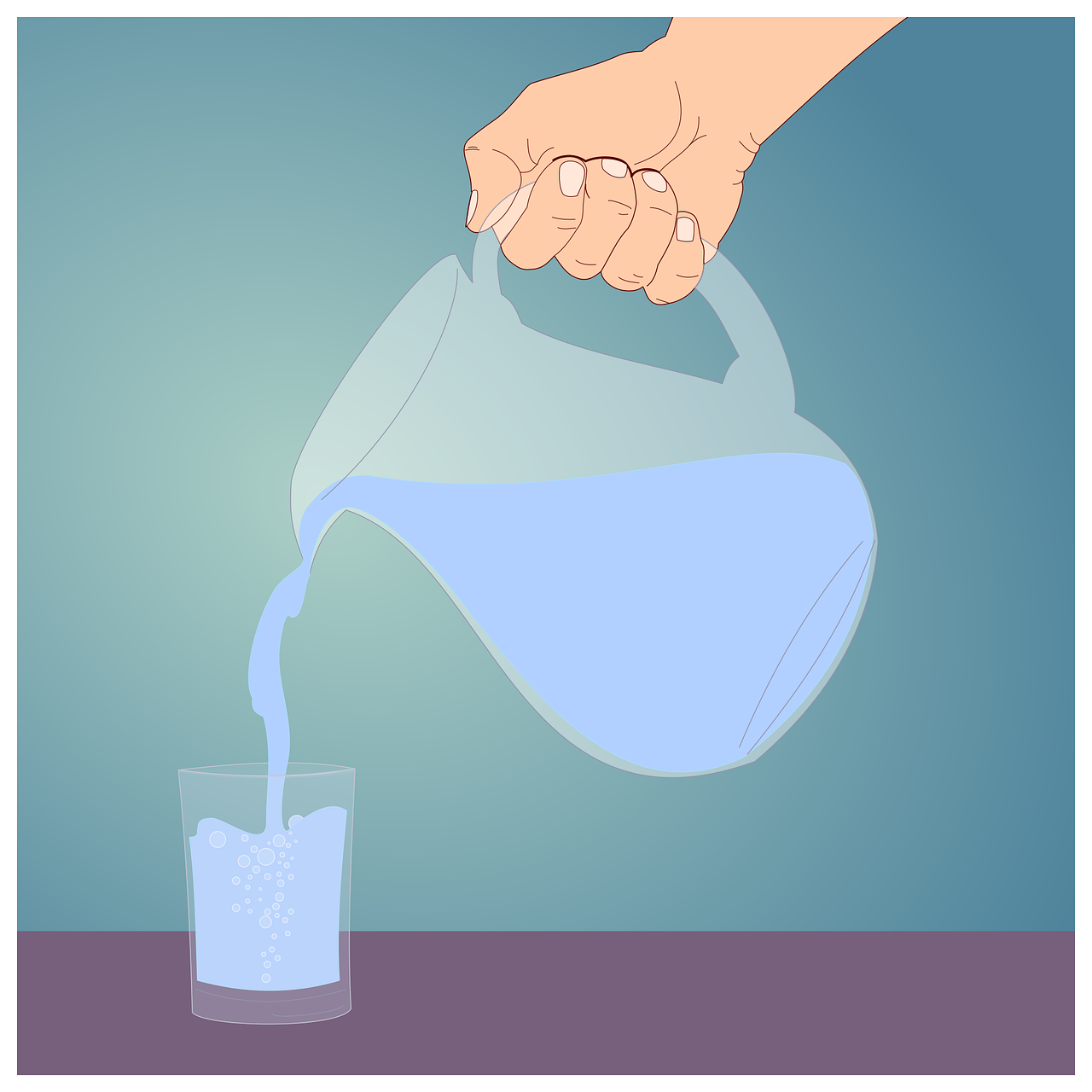
To help seniors stay adequately hydrated, various strategies can be adopted. For instance, setting up a consistent drinking schedule that aligns with routine activities like meals can be beneficial. Drinking a glass of water before each meal not only helps with hydration but can also support digestion. In addition, seniors should consider incorporating herbal teas or flavored water, which can make hydration more enjoyable. Adding slices of fruits like lemon or cucumber can infuse flavor without added sugars. Furthermore, keeping hydration tools around can serve as visual cues to drink more. Water bottles or pitchers can help track daily intake, providing a tangible reminder of fluid needs. Additionally, enjoying water-rich foods is a great way to stay hydrated without simply relying on beverages. Salads, soups, and fruits like watermelon contribute to overall hydration. Consulting with healthcare providers about personalized hydration needs and tools can also help seniors tailor their approach. Knowledgeable guidance can lead to better hydration habits and consequently promote healthier, more active lifestyles.
The Role of Physical Activity
Physical activity heavily influences hydration needs in seniors. Engaging in exercise, even if low-impact, increases water loss through sweat and respiration. Consequently, it necessitates greater water intake to replace lost fluids. However, seniors may not always realize their need to hydrate before, during, and after exercise. Therefore, developing hydration strategies centered around activity can be especially crucial for maintaining muscle health and preventing cramps. It’s recommended that seniors keep a water bottle nearby during workouts. Regular sips can help prevent dehydration while also improving endurance and overall enjoyment of physical activities. Classes such as chair aerobics or walking groups can also provide opportunities to hydrate in supportive environments. Proper hydration enables seniors to maximize the benefits of physical activity, enhancing mobility and promoting muscle function. Encouraging social interactions around exercise can provide an additional motivational boost. When seniors participate in physical activities, they not only strengthen their bodies but also reduce the risk of cramps associated with dehydration. By creating rituals that include hydration related to their exercise routines, seniors can enjoy a more fulfilling, active lifestyle.
Furthermore, the environmental factors should be considered when addressing hydration for seniors. Hot weather or dry climates can escalate the need for proper hydration. Similarly, dry indoor air during winter months can lead to increased fluid loss and discomfort. Seniors often spend extended hours indoors; hence, the ambient conditions they experience can also contribute to dehydration risks. Awareness of these elements is vital. Investing in humidifiers or establishing a daily routine of hydration checks based on the weather can help manage fluid needs effectively. The easiest solution is ensuring easy access to water sources at home. Using pitchers or stations scattered throughout the house can serve as constant hydration reminders. Celebrating seasonal changes with hydration goals can make it a fun and engaging task rather than a chore. In colder months, warming beverages like herbal teas can provide both hydration and comfort. Being mindful of temperature changes and adjusting habits accordingly can provide seniors with a sense of empowerment. Overall, addressing hydration needs opens pathways to greater wellness and fewer muscle cramps.
Conclusion: Steps Towards Better Hydration
In conclusion, promoting adequate hydration amongst seniors is essential for preventing muscle cramps. These simple strategies can significantly improve younger seniors’ quality of life, particularly those engaging in regular activities. Keeping hydration as a priority will not only help in preventing cramps but will also enhance muscular performance. Establishing consistent hydration habits, along with being aware of the environmental factors affecting fluid loss, equips seniors to tackle dehydration. Ultimately, remaining proactive—through establishing strategies and creating supportive environments—can dramatically improve seniors’ experiences. Collaboration with healthcare providers to reflect individual hydration needs is also crucial. Consistently monitored hydration can ensure that seniors continue their active participation in life. As such, adequate hydration is not just a health measure but a pathway to vitality. It extends beyond simply preventing muscle cramps by promoting overall wellness and healthy aging processes. Let’s encourage hydration commitment amongst all seniors, allowing them the joy of active, fulfilling lives while significantly reducing their risks of dehydration-related complications, including muscle cramps.