
Recovery and Mobility: Bodyweight Techniques for Athletes
Bodyweight exercises serve as excellent tools for athletes focusing on recovery and mobility. These exercises not only improve strength but also enhance flexibility and overall athletic performance. Incorporating bodyweight techniques helps in muscle recovery post intense workouts, allowing athletes to regain strength and reduce soreness effectively. Simple movements like squats, lunges, or push-ups can provide significant benefits without the need for equipment. They’re particularly useful for maintaining functional movement patterns, which are crucial for performance in various sports. Pushing your body through different ranges of motion enables it to adapt, improving stability and coordination. This is essential onsite and offsite, especially during competitive seasons.
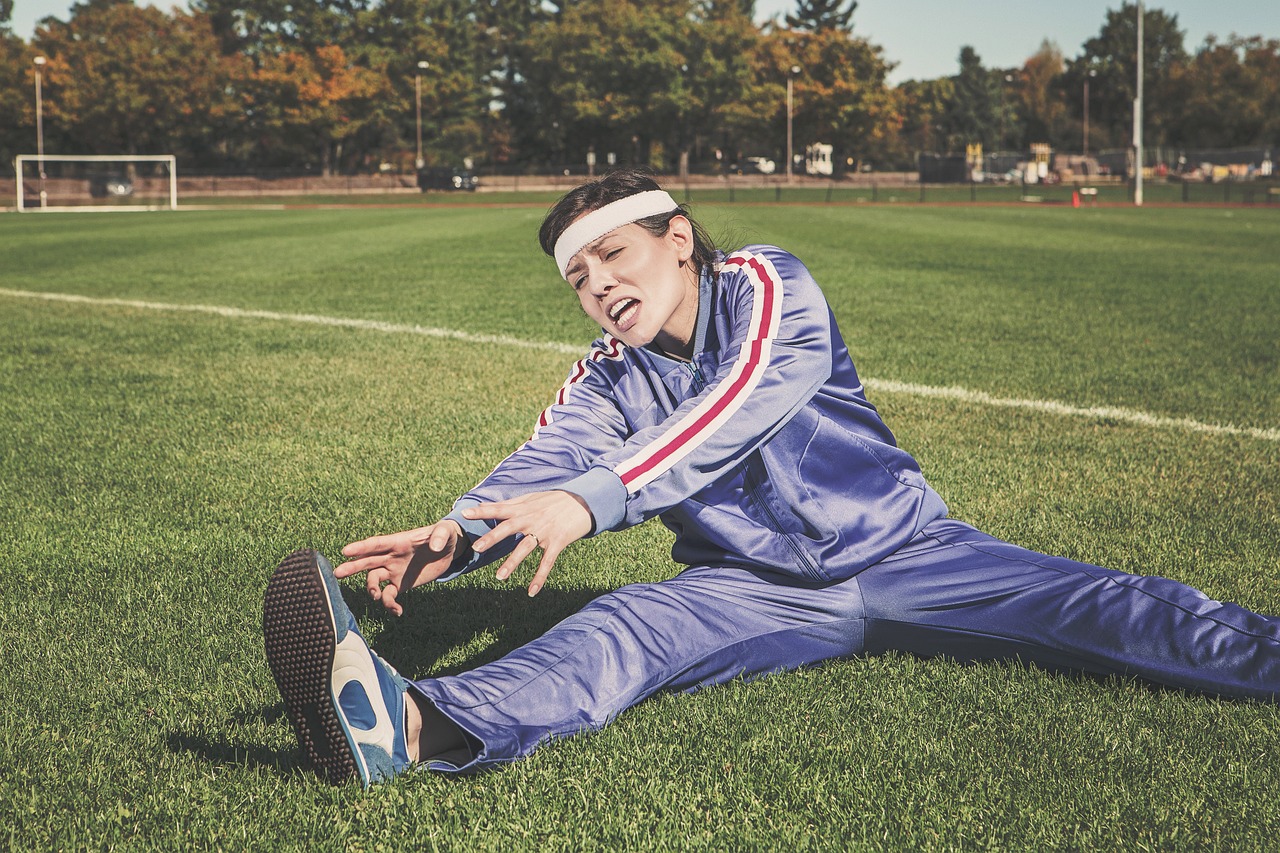
Moreover, proper recovery techniques post-exercise can prevent injuries, leading to prolonged athletic careers. Athletes who integrate mobility exercises such as yoga or dynamic stretching often experience increased joint range of motion. These practices allow for better workout performances and optimally reduce the risk of injuries. Additionally, incorporating practices like foam rolling can ease muscle tension, enhancing overall circulation. During recovery phases, bodyweight exercises like plank variations also engage core stability, essential for supporting athletic performance. Another critical aspect involves using techniques that alleviate soreness while promoting mental well-being, which is vital for any athlete’s longevity. Thus, integrating effective bodyweight recovery drills is essential.
Key Bodyweight Techniques for Recovery
Specific bodyweight techniques play significant roles in athlete recovery. One such effective drill involves the glute bridge, executed by lying on your back and lifting your hips while keeping feet flat. This exercise strengthens the posterior chain, vital for athletic performance. Another essential technique includes dynamic lunges, which enhance hip mobility and flexibility. Implementing these bodyweight drills can assist athletes in recovering faster while maintaining functionality in their movements. Combining these exercises with deep breathing techniques can elevate their effectiveness, as proper breathing encourages relaxation and muscle recovery. Moreover, athletes should always focus on individual progress and make gradual adjustments.
In addition to strengthening and stabilization, maintaining proper hydration levels is necessary during recovery phases. This promotes overall function and aids in muscle recovery efforts. Athletes should be aware of their hydration needs while implementing bodyweight exercises. Other critical recovery practices athletes should incorporate involve adequate sleep and proper nutrition. Eating a balanced diet rich in protein promotes muscle repair alongside exercise routines, allowing athletes to heal efficiently. Adequate sleep supports natural recovery hormones critical in avoiding fatigue. Furthermore, bodyweight techniques can be performed in various settings, whether on a field or home gym, offering convenient routine maintenance.
Mobility Enhancement With Bodyweight Exercises
Mobility enhancement is crucial for athletes, and bodyweight exercises play a significant role. Movements like leg swings and ankle circles improve joint elasticity and range of motion across various activities. Bodyweight squats not only build lower body strength, but they also improve hip and knee mobility, which helps athletes perform better in their respective sports. To further enhance mobility, athletes may consider integrating slow and controlled movements into their routines, targeting specific muscle groups. Quality over quantity is vital in executing these exercises correctly. Combining mobility work with strength-building techniques can create more resilient athletes.
Additionally, effective mobility routines can be seamlessly integrated into warm-up and cool-down sessions, providing benefits beyond just recovery. Athletes can remain more agile during competitions, responding promptly and adequately to demands, ultimately leading to improved performance. Incorporating effective techniques tailored for specific sports enhances both performance and recovery. Finding the right balance and rhythm with these exercises is essential. Each athlete should design a mobility program closely aligning with personal needs and goals, keeping the body tuned for optimal performance. Understanding limits while pushing boundaries helps enable remarkable athletic potential when combined with appropriate bodyweight techniques.
Conclusion on Bodyweight Recovery Techniques
Integrating bodyweight exercises into recovery routines is essential for athletes eager to improve mobility and enhance recovery phases. This not only maintains athletic performance, but it also supports the body’s natural recovery process. Through focused and intentional training, athletes can enhance their resilience, flexibility, and strength. Recovery is just as critical as training, impacting longevity and performance. Thus, developing a good balance of rest, nutrition, and mobility work plays a critical role in optimal performance outcomes. Athletes should prioritize varied bodyweight exercises, creating tailored recovery plans to address individual needs. Emphasizing this can help in achieving peak athletic performance consistently.
In conclusion, bodyweight exercises stand as essential components of an athlete’s recovery and mobility regimen. By adopting various techniques, athletes can expect better recovery times and improved performance levels. Athletes focusing on form, steady progressions, and sufficient rest will find successful long-term growth. It’s beneficial for trainers and coaches to educate their athletes on proper techniques to fully utilize recovery days. Mentoring athletes on optimizing movement and mobility can enhance their understanding of the significance of recovery within their training regime. Bodyweight exercises’ adaptability and accessibility make them invaluable for any athlete looking to maintain peak performance while ensuring longevity in their sport.