
The Physiological Benefits of a Strong Core in Sports
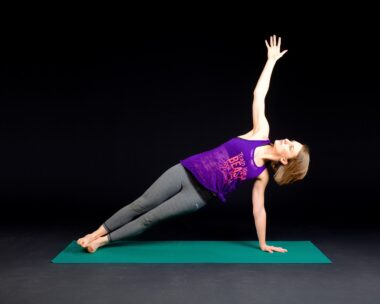
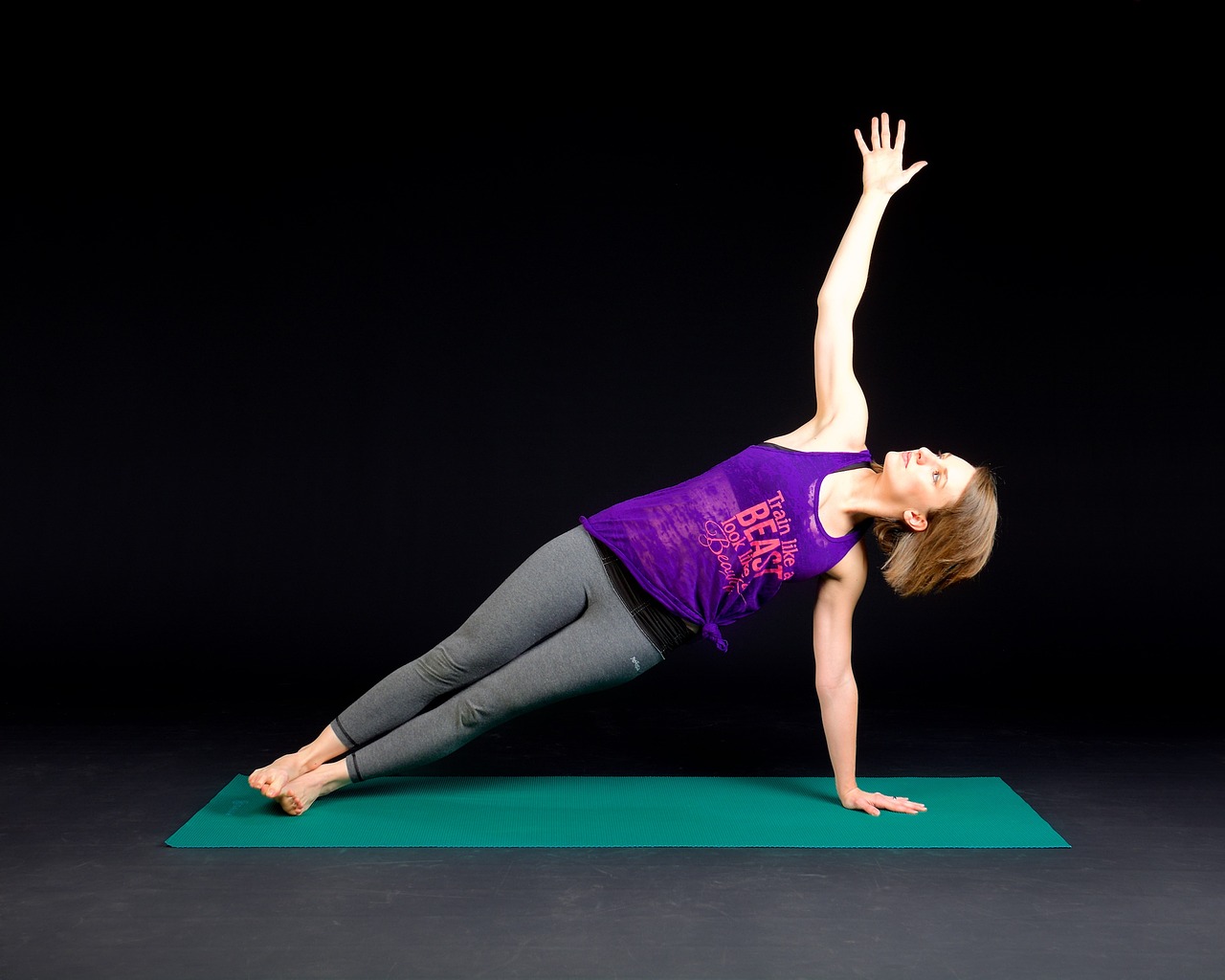
Having a strong core is essential for athletes across various disciplines. A stable core enhances overall athletic performance by providing a solid foundation for all movements. This stability allows athletes to maintain balance and coordination during dynamic activities, ultimately reducing the risk of injuries. Engaging the core effectively can enhance power transfer during specific sports actions, such as jumping, sprinting, or cutting. Core strength also plays a vital role in injury prevention by supporting correct posture and alignment during physical exertion. When an athlete possesses a strong core, they can exert more force through their limbs without compromising stability. Furthermore, a robust core can assist in maintaining endurance during prolonged physical activity by reducing fatigue. This benefit is particularly significant in sports requiring sustained exertion over time, such as running or cycling. Ultimately, an athlete’s overall performance can improve drastically with enhanced core stability. To strengthen the core effectively, athletes can incorporate specific exercises, such as planks, bridges, and rotational movements. In conclusion, core stability is integral to optimizing athletic performance and ensuring longevity in sporting careers.
A strong core positively influences athletic agility and speed. The core serves as the central hub through which all movement flows, connecting the upper and lower body. Improved core strength enables athletes to change direction quickly, making it crucial for sports like soccer and basketball. Athletes often rely on their core muscles during explosive movements, such as jumping or pivoting. When the core is stronger, these movements become more efficient, allowing for quicker execution. Additionally, a stable core reduces the chances of overreaching or losing balance, which can lead to falls or injuries. By enhancing agility, athletes can respond to their opponents’ movements more fluidly, gaining a competitive edge. Moreover, a strong core aids in maintaining proper body positioning during various athletic maneuvers. This correct alignment not only improves performance but also safeguards against potential injuries caused by improper technique. Core stability exercises, including medicine ball throws and rotational lifts, can effectively develop this area. In conclusion, focusing on core strength can dramatically enhance an athlete’s agility, speed, and overall performance on the field or court.
Core Strength and Endurance
Endurance is another critical area positively impacted by core strength. Athletes need to maintain energy and strength over extended durations, making core stability fundamental to sustaining performance. A weak core often leads to poor form and technique, which can result in energy wastage during prolonged activities. When core muscles are well-conditioned, athletes can achieve better muscular endurance, allowing them to perform continuously and effectively for longer periods. Consequently, this results in better performance metrics in endurance sports like marathons, triathlons, and swimming competitions. Core exercises not only build endurance within the core muscles themselves but also support other muscle groups. For example, a strong core stabilizes the body while engaging the legs and arms, ensuring efficient motion. Many endurance athletes incorporate specialized core routines into their training regimens to maximize these effects. Practices such as Pilates or yoga can also improve core endurance, flexibility, and overall body awareness. Thus, focusing on core strength is essential for athletes looking to boost their endurance levels and enhance their competitive edge in their sporting endeavors.
Core stability significantly influences an athlete’s functional movement patterns. Having a solid core aids in executing more effective and efficient movements within various sports contexts. When the core is strong, athletes can exhibit better control and balance while performing complex maneuvers, reducing the likelihood of injuries. Proper alignment is essential for translating power efficiently through the body during athletic tasks. A strong core ensures that the kinetic chain operates optimally, allowing athletes to perform skills more fluidly. This includes activities such as swinging a racket, throwing a ball, or executing difficult gymnastics routines. Furthermore, improved core stability helps in the recovery of performance post-injury. Athletes can return to their peak physical state more quickly when they have maintained or enhanced their core strength during rehabilitation. Conditioning programs that focus on core stability improve functional movement patterns, allowing athletes to engage in their favorite sports with confidence. Incorporating exercises like stability ball work or resistance band training can be highly effective for building core strength. Consequently, investing in core stability contributes not only to immediate performance gains but also to long-term athletic health and longevity.
Enhanced Recovery through Core Stability
Recovery is often an overlooked factor in athletic training, yet a strong core significantly aids this process. Proper core strength can enhance circulation throughout the body, delivering nutrients and oxygen to recovering muscles more efficiently. Athletes with solid core stability can adopt better postures during rest, facilitating relaxation and recovery. Moreover, when an athlete’s core is well-developed, it helps absorb excess force during physical activity, reducing strain on the muscles and joints. This absorption aids in minimizing delayed onset muscle soreness (DOMS), allowing athletes to bounce back faster after intense training. Core exercises can be integrated into recovery sessions to maintain strength without overloading the body. Gentle movements, such as Pilates, cater to both core strength and stretching, promoting flexibility alongside stability. Consistency in core training ensures that athletes sustain advantages in recovery, which ultimately contributes to improved performance levels. To optimize recovery methods, athletes should focus on integrating core-strengthening exercises tailored to their specific sport. In this way, they can develop a well-rounded training regimen addressing both performance and recovery needs, ensuring longevity in their athletic pursuits.
The psychological benefits of enhancing core strength in sports are equally significant. A robust core not only provides physical advantages, but it also contributes to an athlete’s confidence and mental resilience. When athletes feel stable and balanced in their movements, it positively affects their overall mindset during competition. The perception of strength and stability can translate into heightened performance levels. Preparation involving core training can instill a sense of readiness, allowing athletes to focus on their strategies rather than fearing injury or instability. Moreover, engaging in core strength-building exercises fosters discipline and dedication, attributes essential for successful athletic journeys. Athletes who embrace this aspect of training often demonstrate better stress management and improved emotional regulation during competitions. Mindful awareness cultivated during core stability training can aid in optimizing mental focus and concentration. This leads to effective technique execution and thoughtful decision-making when it matters the most. Thus, the psychological impact of core strength complements its physiological benefits, creating a holistic approach to athletic performance. By prioritizing core training, athletes not only enhance their physical abilities but also fortify their mental game.
Conclusion: Core Stability’s Role in Athletic Excellence
In conclusion, core stability plays a pivotal role in enhancing overall athletic performance. From agility and endurance to functional movement patterns and recovery, a strong core supports many aspects of an athlete’s performance. By investing time in core training, athletes can improve their stability, reduce injury risk, and boost confidence. Greater core strength also facilitates better power transfer, leading to improved efficiency in sports-specific movements. Athletes must recognize the value of core stability within their training regimens and prioritize incorporating exercises targeting this area. Various cross-training methods can be employed, including strength training, Pilates, or sport-specific drills, to develop a robust core. By integrating consistent core strength training, athletes will experience enhanced performance levels and improved resilience against injuries. This holistic approach to training emphasizes the interconnection between physical strength and mental fortitude, contributing to long-term success in athletics. The commitment to building and maintaining core strength can ultimately lead to athletic excellence and fulfillment. Therefore, prioritizing core stability is integral to achieving peak performance and establishing a solid foundation for success in sports.
The Importance of Core Exercises
Essential core exercises include planks, Russian twists, and medicine ball throws. These movements engage various muscle groups, enhancing overall core strength. A strong core aids in injury prevention by promoting better body mechanics. Effective core workouts can significantly support Olympic weightlifting, hockey, and martial arts. In addition, gymnastics relies heavily on core strength for flawless routines. Core-focused workouts improve athletes’ balance and posture, which translates into better performance in their sports of choice. Annual assessments of core strength help athletes track progress and adjust training regimens accordingly. Athletes should aim to incorporate these exercises two to three times weekly for optimal results.