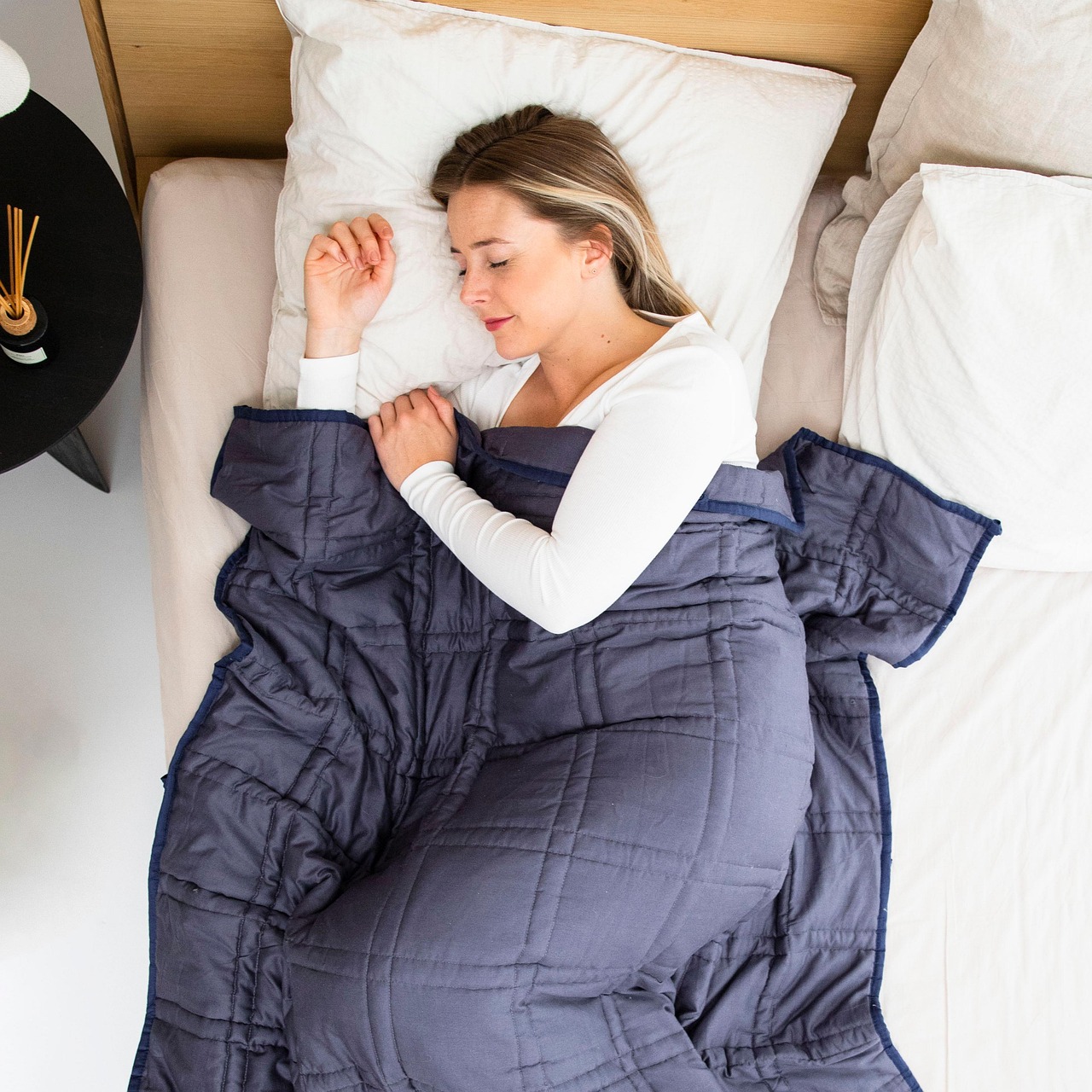

The Role of Napping in Reducing Anxiety and Enhancing Recovery
In today’s fast-paced world, individuals are increasingly overwhelmed with stress and anxiety, leading to significant challenges in maintaining mental health. One effective yet often overlooked tool for relief is napping. Napping provides a temporary escape from daily stressors, enabling the mind to relax and recharge. Studies have shown that short naps can significantly reduce feelings of anxiety and enhance overall mood. By incorporating short periods of rest into daily routines, people may improve their emotional resilience. Interestingly, napping does not only provide psychological benefits; it also rejuvenates physical energy levels and cognitive function. Research indicates that even a 20-minute nap can result in improved alertness and performance post-nap. Furthermore, napping enhances the body’s ability to recover from fatigue, a crucial aspect of mental well-being. Therefore, understanding the importance of napping is essential. It can be a form of self-care that aids recovery while alleviating mounting anxiety, ultimately improving daily functioning. As we delve deeper into this topic, we will explore how the practice of napping can serve as a preventative measure against anxiety disorders.
The Science Behind Napping
Napping is supported by various scientific studies, highlighting its benefits for mental health. The human brain functions optimally when it receives adequate rest and recovery time. Neurobiological research suggests that napping plays a pivotal role in memory consolidation and emotional regulation. During sleep, the brain processes information from the day and stores it effectively, which may contribute to better decision-making and reduced anxiety. Moreover, cortisol, the stress hormone, is regulated during sleep, creating a restorative effect on the mind and body. A well-timed nap can help manage cortisol levels, reducing stress responses. For many people, a typical afternoon lull can signal the body’s need for a brief rest. Utilizing this natural inclination towards sleep can maximize relaxation and mitigate anxiety levels. However, not all naps are created equal. The ideal duration and timing of a nap can vary between individuals. Understanding these factors can help in tailoring nap strategies for optimal respite and anxiety relief, allowing for a more effective recovery routine. A better understanding of napping can facilitate the development of healthier sleep habits for better overall emotional management.
Implementing strategic napping techniques can enhance productivity and mental well-being. It is essential to choose the right time for a nap. The post-lunch dip is a common phenomenon where individuals experience a lull in their energy. Scheduling naps around this time can effectively counteract the negative effects of sleep deprivation and improve cognitive function. A power nap of 10 to 20 minutes, taken after lunch, can revitalize energy and enhance focus. More extended naps exceeding 30 minutes can lead to sleep inertia, which causes grogginess. Therefore, timing, duration, and environment play crucial roles in maximizing the benefits of napping. Creating a comfortable, quiet, and dark environment can further enhance the restorative effects of napping. Additionally, setting an alarm can prevent oversleeping. Napping can help regulate anxiety, as it allows individuals to take a break from their busy lifestyles. Prioritizing naps as part of a self-care routine can reduce worry and improve emotional resilience. As people develop these effective strategies, they may notice significant reductions in anxiety levels and better coping mechanisms for everyday stressors.
The Connection Between Napping and Emotional Health
Emotional health and stability are deeply interconnected with sleep and napping. Research shows that individuals who incorporate regular naps into their routines report higher levels of emotional well-being. This is primarily because naps help mitigate the adverse effects of poor sleep quality and insufficient nighttime rest. Sleep deprivation is closely linked to increased irritability and anxiety; thus, compensating with daytime naps can fill these gaps. Additionally, napping helps reset the mood and fosters a more balanced emotional state. Individuals who practice mindful napping are often more equipped to deal with stressors positively, promoting a healthier mindset. Napping also offers an opportunity for self-reflection, enabling people to process their thoughts and emotions in a relaxed state. Creating space for rest is vital for maintaining emotional health; this could involve using short breaks during work or study. Importantly, taking the time for constructive reflection during naps can enhance self-awareness. In today’s chaotic society, it presents a way to intentionally care for one’s mental health, reducing anxiety and enhancing coping strategies by fostering a healthier relationship with oneself.
As awareness of mental health grows, there is a shift toward integrating rest into our daily schedules. This aligns perfectly with the increasing recognition of napping’s benefits as vital for emotional recovery and anxiety relief. Naps are not a sign of laziness; rather, they show an individual’s commitment to self-care. Cultivating this mindset enables a more profound understanding of the need for balance in life. Incorporating naps into busy schedules allows for personal time, ensuring mental recharge amidst responsibilities. Educational institutions and workplaces may consider promoting the importance of napping. Some forward-thinking companies are already creating designated nap spaces, recognizing the productivity benefits of well-rested employees. This shift environments where health is prioritized can lead to reduced anxiety for everyone involved. By fostering a culture that values napping, we can create communities supportive of mental wellness and holistic recovery. Ultimately, integrating napping into everyday life may enhance stress management strategies, leading to healthier individuals. Embracing this practice fosters a more profound understanding of wellness, creating a collective impact on society and emotional well-being.
Conclusion: Embracing Naps for Healthier Living
In conclusion, the act of napping serves as a crucial tool for reducing anxiety while enhancing recovery. This simple yet effective practice offers numerous benefits, from emotional regulation to cognitive enhancements. By aligning nap strategies with personal schedules, individuals can harness the restorative power of sleep. The positive impact of napping on mental health cannot be underestimated; short bouts of rest can lead to improved mood, reduced anxiety, and an overall better quality of life. As we continue to prioritize mental health, embracing naps should be recognized as a vital component of self-care practices. Living in a high-pressure society necessitates a proactive approach towards managing stress and anxiety. Encouraging healthy sleep habits, including napping, fosters resilience to life’s challenges. As more individuals learn about the science and benefits behind napping, there may be a societal shift toward accepting rest as essential for well-being. Ultimately, prioritizing sleep, even in small increments like naps, can lead to significant improvements in anxiety management and overall recovery, paving the way for healthier living in a bustling world.
Incorporating naps into your daily routine can greatly improve your emotional and mental health. Should you require further guidance or resources on how to structure your naps? Explore various techniques and tips to find what works best for your unique needs. Be sure to also remain informed on the latest research connecting sleep, napping, and anxiety relief to enhance recovery strategies. Resources such as sleep studies and mental health publications provide valuable insights into integrating napping within your lifestyle. Actively engaging with this knowledge can empower individuals to embrace napping as a healthy and necessary practice. Consider discussing napping benefits with mental health professionals to incorporate this into your overall wellness approach. Research indicates that creating supportive environments, whether through workspaces or home, can facilitate better rest. Therefore, sharing experiences with friends and family can also normalize napping as a healthy behavior. Ultimately, fostering community acceptance of napping promotes individual wellbeing. As we broaden our understanding of the importance of sleep, we can all benefit from prioritizing napping as an effective means of dealing with anxiety and enhancing overall recovery.
Embracing naps means acknowledging our human need for rest. When integrated thoughtfully into our lifestyles, naps can play a vital role in mental health management. Cultivating a culture that values rest and self-care can lead to healthier communities. Reassess your daily schedule and consider the inclusion of short naps intentionally. As you observe the benefits of napping, you might find yourself more centered, focused, and resilient against stress. Let the practice of napping become a cornerstone of your path towards enhanced recovery and anxiety relief, heralding a new era of mental wellness.