
The Role of Treadmill Running in Rehabilitation Programs
Treadmill running serves as a pivotal component in rehabilitation programs across various injury types, offering a controlled environment where patients can safely engage in cardiovascular exercises. Utilizing a treadmill allows for precise adjustments to speed and incline, making it easier to tailor workouts to individual rehabilitation needs. This adaptability can significantly reduce the risk of re-injury or exacerbation of existing conditions. Incorporating treadmill running as a rehabilitative exercise also enhances muscle strength and flexibility, crucial for recovery. Patients often find treadmill running less daunting compared to outdoor running due to the stable surface and absence of environmental factors such as weather. It enables consistent training, essential for maintaining motivation and commitment during rehabilitation. In addition, treadmills come equipped with various features to monitor heart rate, calories burned, and speed, providing valuable data for both patients and trainers. This information can be pivotal in tracking progress over the course of rehabilitation. Ultimately, the incorporation of treadmill running underscores the crucial role of technology in modern rehabilitation strategies, enhancing recovery outcomes.
Benefits of Treadmill Running in Rehab
Integrating treadmill running into rehabilitation programs offers numerous benefits that can significantly enhance patient recovery. Firstly, the controlled settings of a treadmill facilitate gradual and systematic resumption of physical activity, essential for those recovering from injury. Secondly, patients can adjust speed and incline settings to match their rehabilitation goals, ensuring workouts are effective yet safe. This control improves cardiovascular stamina and muscle strength without imposing undue stress on injured limbs. Additionally, the consistent surface of a treadmill reduces the chances of falls or reinjuries, distinguishing it from outdoor running. Coupled with built-in tracking features, patients and therapists can measure and analyze performance metrics, allowing for data-driven adjustments to rehabilitation plans. Moreover, treadmill running’s inherent structure helps in maintaining workout routines, as patients can use it regardless of outdoor conditions. Finally, using a treadmill can bolster psychological motivation, enabling individuals to connect with their recovery journey and visualize progress. This blend of physical gain and emotional support underscores the treadmill’s indispensable part in rehabilitative exercise protocols, paving the way for successful outcomes.
Another notable aspect of treadmill running in rehabilitation is the emphasis on proper biomechanics. The treadmill allows users to focus on their gait and stride without the distractions and variations inherent in outdoor environments. This focus enables therapists to correct any deviations in running form, ensuring that patients develop healthier movement patterns as they recover. Improved biomechanics directly contribute to injury prevention; by addressing flawed movements, treadmill running facilitates long-term physical health benefits. Furthermore, because it offers a degree of cushioning, treadmill running can provide a lower impact option for patients suffering from joint or soft tissue injuries. This padding can alleviate pain commonly associated with such injuries while still allowing for effective cardiovascular exercise. The ability to maintain cardio fitness is especially important during rehabilitation, as it aids in the overall recovery process by improving circulation and nutrient delivery to the tissues. Patients can also benefit mentally from the regularity of treadmill workouts, as consistency fosters a sense of normalcy. Ultimately, treadmill running stands out for its multifaceted advantages in rehabilitation programs, ensuring a holistic approach to recovery.
Setting Appropriate Goals
Effective rehabilitation through treadmill running involves setting appropriate, measurable goals tailored to individual needs. Each patient’s injury type, fitness level, and rehabilitation objectives should be carefully considered when creating these goals. Specific, measurable, attainable, relevant, and time-bound (SMART) goals serve as a guideline during the rehabilitation journey. For instance, gradually increasing running time or speed over set timeframes enables patients to track their progress meaningfully. Regular feedback from therapists can help adjust these goals to remain aligned with the patient’s recovery pace, ensuring they do not feel overwhelmed or unchallenged. Motivating patients during rehabilitation also hinges on recognizing their accomplishments, no matter how small, furthering their sense of agency and commitment. A positive reinforcement approach can significantly improve outcomes, as patients are encouraged by their progress. Moreover, group treadmill sessions can foster social support among individuals with similar rehabilitation journeys, enhancing motivation through camaraderie. This community aspect can be vital during lengthy recovery periods, transforming treadmill runs into shared experiences rather than solitary tasks. Thus, tailored goal-setting is crucial for maximizing the benefits of treadmill running in rehabilitation.
Another critical factor in utilizing treadmill running within rehabilitation programs is the role of professional guidance. Having trained therapists oversee the rehabilitation process is essential for achieving successful results. These professionals can design personalized exercise regimens, ensuring patients correctly engage in treadmill running to minimize injury risks. They can also progress activities based on patient feedback and biomechanical assessments, rather than relying solely on patient perception. Beyond physical parameters, therapists can address emotional and psychological challenges that might arise during rehabilitation, offering coping strategies to maintain motivation levels high. Patient education also plays a significant role, enhancing awareness of their exercises’ importance and connecting rehabilitation to their overall health goals. The collaborative approach distinguishes successful rehabilitation programs, as therapists and patients work hand in hand for optimal recovery. Regular evaluations and potential adjustments made by professionals ensure the rehabilitation process remains dynamic and responsive to patients’ needs. Therefore, integrating professional guidance is paramount in maximizing the potential benefits of treadmill running within rehabilitative strategies.
Technological Innovations
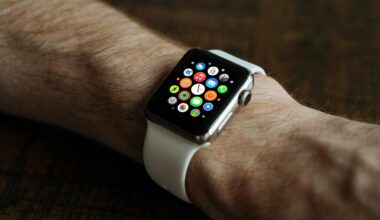
Advancements in technology have further enhanced the effectiveness of treadmill running in rehabilitation. Many modern treadmills come equipped with features such as virtual reality landscapes or varied terrains that simulate outdoor conditions, which can make treadmill sessions more engaging. These innovations reduce the monotony of indoor running and can improve patient motivation, ultimately contributing to better rehabilitation experiences. Moreover, integrating wearable technology such as heart rate monitors or fitness trackers can provide real-time data, highlighting exercise intensity and caloric expenditure. Such data can be crucial for therapists to tailor rehabilitation sessions appropriately and ensure optimal performance. Some high-tech treadmills incorporate biofeedback mechanisms, where runners receive immediate information about their gait, posture, or breathing patterns. This feedback allows for necessary adjustments on the spot, enhancing biomechanical efficiency during running. Additionally, interactive platforms that allow patients to compete against themselves or peers can incentivize improvement through gamification. Overall, embracing technological advancements significantly enriches the rehabilitation experience, making treadmill running not only effective but enjoyable for patients, motivating them to actively participate in their recovery.
In conclusion, treadmill running undoubtedly plays a multifaceted role in rehabilitation programs, bringing together physical, psychological, and technological elements essential for recovery. By providing a controlled environment with adaptable settings, it permits the gradual progression necessary for safe rehabilitation. Moreover, integrating treadmill running into rehabilitation protocols offers diverse benefits, including improved biomechanics and cardiovascular fitness. Setting appropriate SMART goals, along with professional guidance, fosters a collaborative atmosphere that enhances motivation and accountability. Technological innovations have further revolutionized this exercise modality, keeping patients engaged while providing valuable data for therapists. Recognizing the power of treadmill running within rehabilitative contexts paves the way for enhanced recovery outcomes across various injury types. By focusing on individual needs and leveraging resources effectively, treadmill running can serve as an excellent support system, ensuring a smooth path back to health. The integration of this exercise into rehabilitation not only aids physical recovery but also develops emotional resilience, ensuring patients emerge stronger than before. Thus, embracing treadmill running within the broader spectrum of rehabilitation can lead to transformative results, setting the stage for healthier futures.
In conclusion, treadmill running undoubtedly plays a multifaceted role in rehabilitation programs, bringing together physical, psychological, and technological elements essential for recovery. By providing a controlled environment with adaptable settings, it permits the gradual progression necessary for safe rehabilitation. Moreover, integrating treadmill running into rehabilitation protocols offers diverse benefits, including improved biomechanics and cardiovascular fitness. Setting appropriate SMART goals, along with professional guidance, fosters a collaborative atmosphere that enhances motivation and accountability. Technological innovations have further revolutionized this exercise modality, keeping patients engaged while providing valuable data for therapists. Recognizing the power of treadmill running within rehabilitative contexts paves the way for enhanced recovery outcomes across various injury types. By focusing on individual needs and leveraging resources effectively, treadmill running can serve as an excellent support system, ensuring a smooth path back to health. The integration of this exercise into rehabilitation not only aids physical recovery but also develops emotional resilience, ensuring patients emerge stronger than before. Thus, embracing treadmill running within the broader spectrum of rehabilitation can lead to transformative results, setting the stage for healthier futures.