
Designing Break Schedules Based on Biomechanical Fatigue Models
In today’s fast-paced workplace, understanding the effects of biomechanical fatigue is essential for optimizing employee performance and well-being. Employers must recognize that fatigue can significantly reduce productivity and increase the risk of workplace injuries. Improper management of work hours and lack of breaks can lead to physical stress on employees. Utilizing biomechanical fatigue models can aid in the formulation of effective break schedules. Such models evaluate how physical exertion affects muscle fatigue, recovery rates, and overall functionality. By analyzing data, employers can ensure that breaks are strategically placed to minimize fatigue, thereby enhancing productivity and safety. Furthermore, integrating ergonomic principles in scheduling encourages a healthier work environment. Employees equipped with adequate breaks report higher satisfaction and effectiveness. Comprehensive studies show that a structured break system inspired by biomechanics significantly lowers stress levels, which is critical for optimizing workplace efficiency. Tailoring break schedules to individual employee needs based on their specific roles enhances this even more. Adopting these innovative strategies positions organizations to reap the benefits of a motivated and energetic workforce, ultimately leading to improved overall performance.
The Role of Ergonomics in Break Scheduling
Ergonomics plays a crucial role in formulating effective break schedules in various workplaces. The study of ergonomics focuses on making tasks, jobs, and environments more efficient and safe for workers. When considering the mechanics behind how employees perform their tasks, understanding the physical demands they face is key. Biomechanical fatigue models align well with ergonomic principles, as they highlight how tasks exert physical stress on the body. By thoroughly assessing ergonomic factors, employers can identify work patterns that require adjustments. Properly scheduled breaks can help alleviate excessive strain and enhance workflow, boosting focus and morale among the staff. This also extends to understanding the equipment and tools’ usability. Improved ergonomics lead to reduced risks of repetitive strains or injuries, fostering a culture of safety within the workplace. Incorporating ergonomic assessments with fatigue models can help in creating a well-structured timetable for breaks; this ensures timely rest periods that cater specifically to the employees’ tasks. Such strategies not only safeguard the physical health of employees but also promote long-term productivity and retention, creating a healthier workplace environment overall.
Implementing a new break schedule requires a systematic approach that incorporates employee feedback and data collected on fatigue models. This step is paramount because understanding employee needs will directly influence their receptivity to the new scheduling policy. Collecting feedback through surveys or consultations allows for personal insights into the ideal frequency and duration of breaks. By quantifying how fatigue affects productivity, organizations can use biometric feedback to inform their decisions. Implementing changes gradually and monitoring their impact over time can ensure successful adaptations of break periods. Employees should be educated about the reasons behind these new schedules. Illustrating potential health benefits and improved productivity will encourage compliance and optimal participation. Offering workshops or training sessions can empower staff to engage actively with the new policies and better understand the mechanics of fatigue and recovery. Moreover, post-implementation evaluations are vital. Regular reviews of the new break system based on performance metrics will help fine-tune it. This feedback loop will eventually refine the process, allowing organizations to develop a sustainable and effective approach to managing fatigue and enhancing the work experience for all employees.
Monitoring and Adjusting Break Schedules
Monitoring the effectiveness of break schedules is fundamental to ensuring their ongoing relevance and efficiency. Organizations need to devise metrics for assessing the impact of these schedules on employee performance. Key performance indicators (KPIs) help track the correlation between breaks and productivity levels, making it easier to identify areas needing improvement. Engaging in regular evaluations enables adjustments to be made where necessary. Both quantitative and qualitative data should be analyzed to capture a holistic view of employee well-being. Managers should encourage open communication with staff about their experiences with the new schedules. An important aspect of this communication is the option for employees to discuss their fatigue levels and their thoughts on break times. These insights can guide adjustments, making them more responsive to the workforce’s evolving needs. By fostering an open dialogue and regularly assessing fatigue models’ effectiveness, employers can maintain a dynamic approach to scheduling. This adaptability reflects a commitment to employee well-being and productivity, ensuring that break schedules remain effective in managing biomechanical fatigue in the long term. Ultimately, this leads to a sustainable work environment where tactical adjustments can be implemented efficiently.
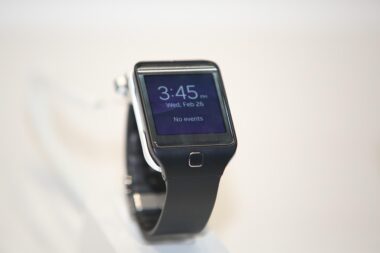
In addition to monitoring, leveraging technology can significantly enhance the way organizations approach break schedules. Wearable devices can be used to gather real-time data on physical exertion and fatigue levels, providing immediate insights into individual employees’ needs. By integrating this technology into the workplace, employers can obtain detailed information on how different tasks impact biomechanics. This data visualization can be vital in creating customized break schedules that reflect the unique needs of specific job roles. For instance, those in physically demanding positions may need shorter, more frequent breaks, while office workers might benefit from fewer but longer breaks. Sharing this information with employees fosters a sense of involvement, allowing them to understand and embrace their tailored schedules. It can also empower employees to self-manage fatigue by recognizing their limits and taking breaks when necessary. By fostering a culture where technology plays a key role in health and productivity, companies can create a proactive workforce that is more prepared to thrive. Technological integration thus becomes a critical aspect of modern workplace ergonomics and fatigue management.
Long-Term Benefits of Implementing Effective Break Schedules
Implementing effective break schedules based on biomechanical fatigue models yields numerous long-term benefits for organizations and employees alike. Firstly, increased employee wellness results in fewer work-related injuries and illnesses. This not only leads to a healthier workforce but also reduces overall healthcare costs for employers. Employees who are less fatigued show greater concentration, better decision-making capabilities, and enhanced creativity in their tasks. A work culture that promotes adequate breaks demonstrates an investment in employees’ physical and mental health, fostering greater loyalty among staff. Job satisfaction often increases as employees feel more valued and supported. Furthermore, a sustainable working environment enhances overall productivity. Employees who engage regularly in breaks return to work with renewed energy, often achieving higher productivity levels than before. The positive impacts extend to the organizational image as well. Companies known for prioritizing employee health are more attractive to potential recruits. Thus, effective break schedules bolster talent acquisition and retention strategies, creating a mature workforce committed to achieving organizational goals. Long-term implementation of these measures reflects a progressive approach to workplace design, accommodating wellness and productivity seamlessly.
To summarize, designing break schedules based on biomechanical fatigue models is a transformative strategy for improving the workplace environment. Ergonomic considerations and fatigue modeling yield substantial benefits that enhance employee productivity, safety, and overall job satisfaction. Organizations embracing these methodologies can look forward to creating a healthier workplace that prioritizes employees’ physical and mental well-being. The implementation process requires input from employees and adequate monitoring to maintain an efficient schedule. As technology continues to innovate workplace practices, organizations can harness its capabilities to refine and customize break times based on precise data on fatigue levels. By committing to these innovations, employers reinforce a positive culture centered on employee care and performance excellence. This commitment manifests through regular communication, ongoing assessments, and the implementation of feedback. The focus on ergonomics and biomechanics within break scheduling is increasingly relevant in the modern workplace. As organizations recognize the importance of well-structured breaks in today’s dynamic work culture, both employees and employers stand to benefit immensely. In conclusion, strategic break scheduling represents a vital aspect of workplace health initiatives designed for optimized human performance.