
Functional Training Equipment Essentials for Crossfit Gyms
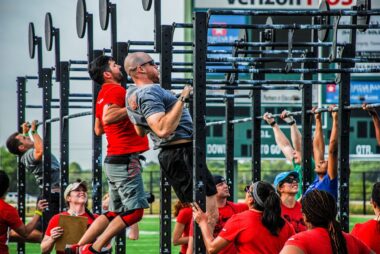
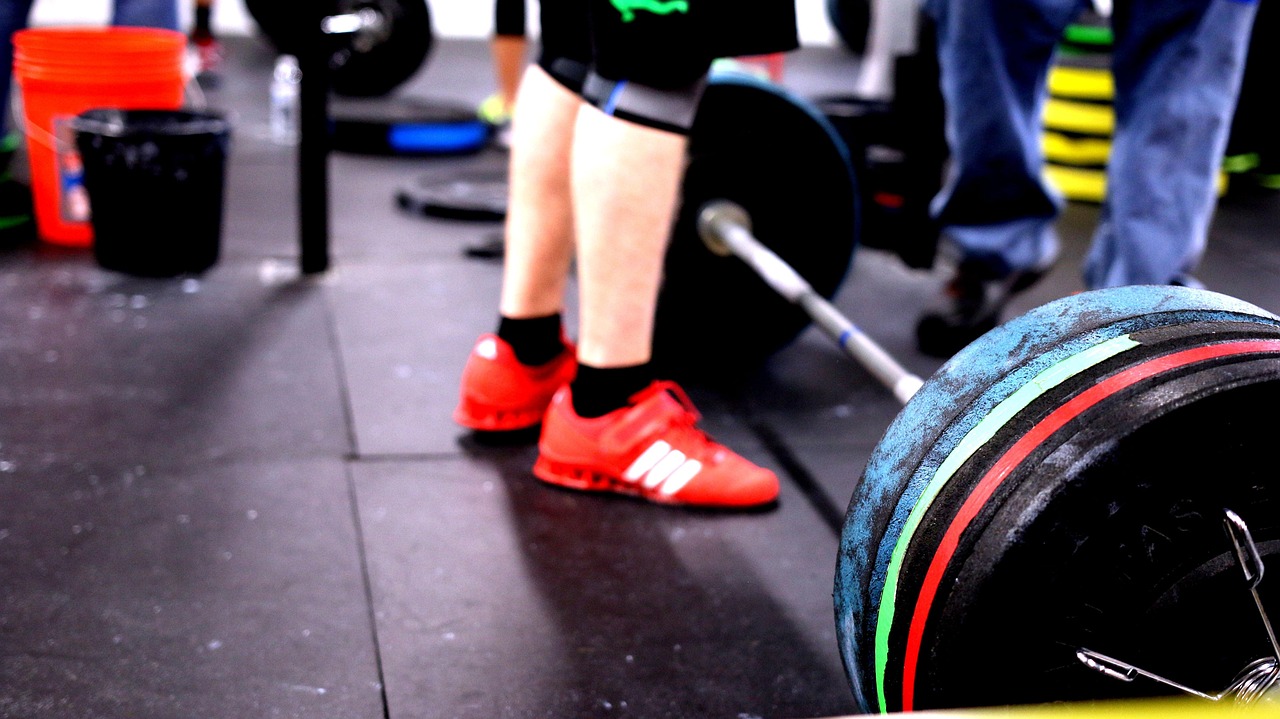
Functional training is crucial for CrossFit athletes aiming to enhance their performance and efficiency. The right equipment can significantly impact your workout intensity and effectiveness. Essential items in this category include kettlebells, which are versatile and promote overall strength and power. Another key piece of equipment is the medicine ball; it can be used for various dynamics like throws and slams enhancing core and upper body strength. Resistance bands are excellent for mobility work and muscle activation, perfect for warm-ups and injury prevention. The barbell remains a staple for heavy lifts, such as the deadlift and squat, building foundational strength. Plyo boxes, meanwhile, improve explosive power through box jumps and step-ups. Using multiple surfaces, such as slant boards, can assist with balancing and stability. Finally, investing in gymnastic rings can enhance upper body strength and core stability. Each equipment type serves unique benefits, ensuring that CrossFit athletes perform effectively in their routines and competitions.
Importance of Mobility Tools
Mobility tools are an often-overlooked aspect of functional training. Exercises focused on flexibility are essential to prevent injuries during high-impact sessions typical of CrossFit workouts. Foam rollers are cherished for their recovery benefits, promoting muscle relaxation and increased blood flow to targeted areas. These rollers assist in decreasing muscle soreness post-workout. Lacrosse balls serve as an effective tool for deep tissue release, particularly in tight spots. Additionally, a stretching strap is beneficial for enhancing flexibility, making it easier for athletes to improve range of motion. Mobility sticks can also be used in various stretches to maintain proper form and target hard-to-reach areas. Incorporating mobility drills into daily routines primes the body for intense workouts. Furthermore, these tools can promote muscle recovery, aiding athletes to perform at their peak consistently. The emphasis on mobility not only improves performance but also contributes to long-term athlete health, ensuring longevity in their CrossFit journey. Prioritizing mobility work could lead to enhanced coordination and balance, essential elements for functional training.
To maximize functional training effectiveness for CrossFit athletes, investing in high-quality equipment is paramount. Trying to balance affordability with quality is critical, as cheap equipment may require more frequent replacements and repairs. Therefore, conducting thorough research on brands best known for their durability and customer service is beneficial. Products like Olympic weight plates offer precision and accuracy while lifting, essential for rigorous training sessions. If possible, look for products that have a warranty or satisfaction guarantee to protect your investment. Moreover, establishing relationships with local suppliers who understand CrossFit needs can lead to discounts and better deals. Ensure that your gym accommodates varied fitness levels; therefore, equipment must suit both novice and elite athletes. A strategically designed space can optimize the workout experience, accommodating group classes while allowing for individual training as well. Functional training equipment should be conveniently accessible, facilitating seamless transitions between exercises. By carefully selecting the right elements, CrossFit gyms can create an inviting and effective environment, encouraging athletes to push their limits.
Innovative Equipment for Varied Routines
Incorporating innovative equipment can challenge athletes beyond traditional exercises, promoting adaptability and fitness prowess. The adjustable dumbbell is one essential piece, enabling dynamic weight changes without taking precious time during workouts. Not only do they save space, but they also offer a range of weights for various exercises, helping build both strength and hypertrophy. Additionally, sandbags contribute to functional training, emphasizing grip strength and core stability during lifts. They are easy to manipulate and can be incorporated into many exercises, increasing workout intensity. Battle ropes require full-body engagement, making them an excellent component for cardiovascular conditioning and strength training. Moreover, incorporating an agility ladder emphasizes foot speed and coordination, which is vital for performance in many sports, including CrossFit. Utilizing tools like these not only diversifies training routines but also keeps athletes motivated. Adaptability ensures that each training session remains challenging, keeping participants engaged and eager to return. Investing in unique equipment can differentiate your CrossFit gym, attracting members seeking a comprehensive training experience.
Proper storage and organization of equipment contribute significantly to the training environment’s efficiency. In a CrossFit gym setting, clutter can distract and detract from the focus required during workouts. Implementing storage solutions like racks and cages creates designated zones for essential tools while keeping the workout area spacious. This organization allows athletes to transition quickly between exercises. Wall-mounted systems for functional training equipment such as bands and ropes minimize floor occupation while ensuring easy access. Using labeled bins for accessories can promote an organized space and ensure that every item returns to its rightful place after use. Additionally, incorporating a visual cue system helps guide athletes through equipment setup for clusters of exercises, optimizing training time. Maintaining cleanliness regularly also enhances the overall environment, reducing the risk of injury through accidents caused by misplaced gear. A well-organized gym fosters a focused atmosphere, motivating athletes to excel further. Ultimately, prioritizing an organized space contributes to a productive and engaging training experience that supports functional movement goals.
Coaching and Equipment Usage
Effective coaching is crucial for maximizing the potential of functional training and equipment in CrossFit gyms. Coaches should be well-versed in proper techniques associated with various equipment, ensuring athletes perform movements safely and effectively. Regular demonstrations of exercises and use of the equipment can foster understanding among participants. Building a sense of community among athletes often contributes to their commitment to training, empowering them to seek more personalized guidance when required. Coaches can leverage technology, such as video analysis, to provide each individual timely feedback during their training sessions. Initiating workshops on specific equipment use can enhance not only skill but also enjoyment and camaraderie among participants. Understanding individual athletes’ needs and integrating equipment appropriately can significantly enhance their overall experience. Personalization in training ensures that each athlete, regardless of level, feels valued, promoting performance. A well-coordinated coaching approach adapts to dynamic needs while keeping goals in sharp focus, creating an empowering environment and ensuring that everyone performs optimally as they progress through their fitness routines.
Lastly, keeping up with the latest trends and advancements in functional training can provide CrossFit gyms with an edge over competitors. Engaging with reputable sources, attending expos, and participating in related workshops offers insights into emerging equipment and training philosophies. Regularly hosting events or community challenges can enhance visibility while encouraging camaraderie among participants. Moreover, adapting training sessions based on recent research ensures the program remains effective and aligns with contemporary fitness practices. As part of community engagement, CrossFit gyms can also introduce seasonal challenges that encourage all participants to test their limits while utilizing the equipment creatively. Collaborating with local nutrition experts can enhance the overall wellness experience, attracting more individuals seeking a holistic approach to fitness. Promoting success stories of athletes through social media and gym platforms adds that extra touch, inspiring newcomers and experienced trainers alike. The dynamic nature of CrossFit demands innovation; therefore, regularly refreshing equipment and training ideas keeps the gym environment fresh and appealing. In doing so, it welcomes both seasoned veterans and newcomers to consistently engage in impactful training experiences.
Functional training is crucial for CrossFit athletes aiming to enhance their performance and efficiency. The right equipment can significantly impact your workout intensity and effectiveness. Essential items in this category include kettlebells, which are versatile and promote overall strength and power. Another key piece of equipment is the medicine ball; it can be used for various dynamics like throws and slams enhancing core and upper body strength. Resistance bands are excellent for mobility work and muscle activation, perfect for warm-ups and injury prevention. The barbell remains a staple for heavy lifts, such as the deadlift and squat, building foundational strength. Plyo boxes, meanwhile, improve explosive power through box jumps and step-ups. Using multiple surfaces, such as slant boards, can assist with balancing and stability. Finally, investing in gymnastic rings can enhance upper body strength and core stability. Each equipment type serves unique benefits, ensuring that CrossFit athletes perform effectively in their routines and competitions.