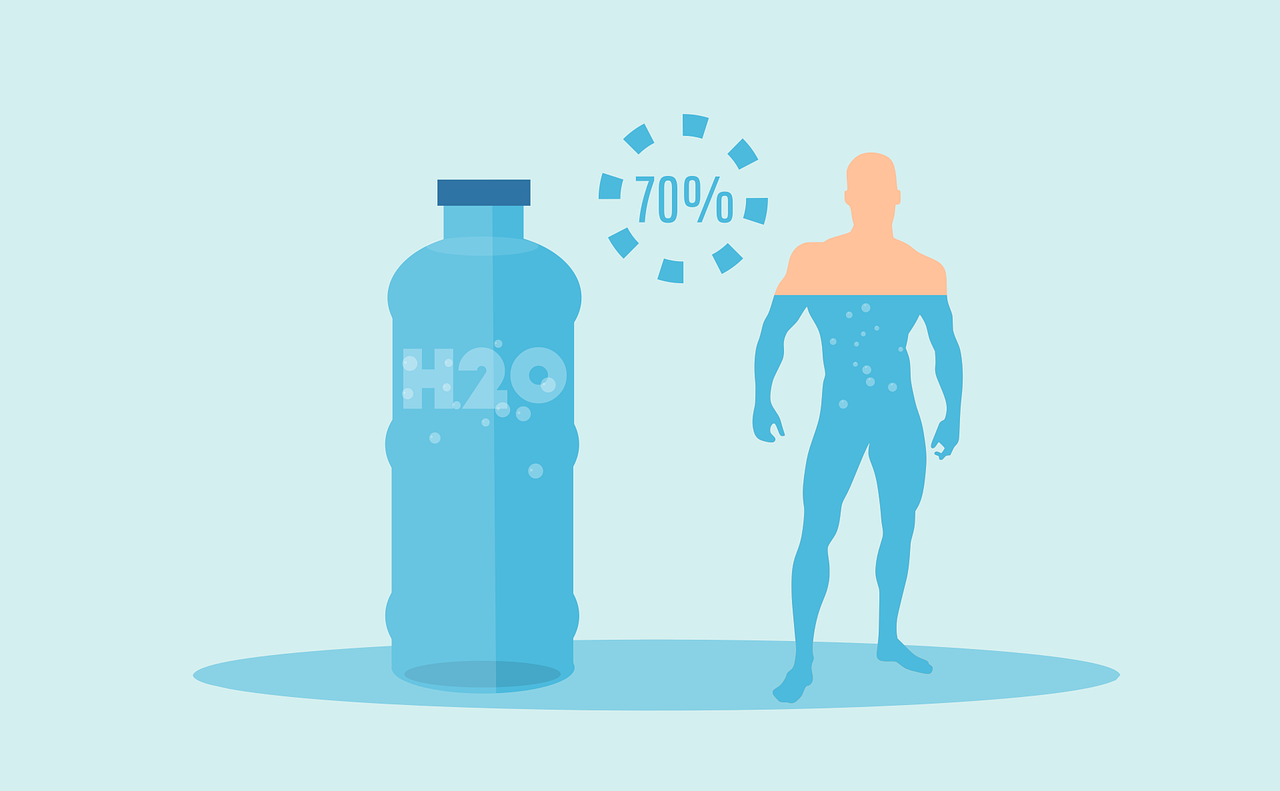

Hydration Sensors: Measuring Your Body’s Fluid Levels Accurately
Hydration is critical for maintaining optimal health, especially for athletes and individuals engaged in physically demanding activities. Proper hydration affects performance, concentration, and overall well-being. With advancements in technology, tracking fluid levels has become easier and more accurate, enabling individuals to maintain proper hydration through innovative tools. Hydration sensors are designed to measure body fluid levels in real-time, providing valuable data to users. These sensors can be worn as a smart watch or integrated into clothing, making them easy to use and unobtrusive. Many hydration sensors utilize bio-sensors that work through skin contact, continuously measuring various metrics relating to hydration. This technology allows users to detect dehydration before it becomes significant. Improved hydration tracking can promote overall health and performance, as hydration levels can significantly impact recovery times and energy levels. In addition, staying properly hydrated can also assist in avoiding heat-related illnesses. As awareness of hydration’s importance grows, so does the demand for efficient tracking solutions that help users manage their fluid intake effectively to achieve a happier, healthier life.
Many people underestimate the consequences of dehydration, including fatigue, dizziness, and impaired cognitive function. To combat this, hydration sensors provide real-time feedback on hydration levels, allowing users to make timely adjustments to their fluid intake. These devices often sync with mobile applications, offering comprehensive statistics about hydration patterns and daily progress. Armed with accurate data, users can make informed decisions to prevent dehydration and improve their performance in work or sports. Smart hydration sensors are designed with user-friendliness in mind and often feature customizable hydration goals based on individual needs. For athletes and those with active lifestyles, having access to real-time hydration data can make a significant difference in performance. Additionally, wearable hydration technology brings awareness to hydration habits, helping individuals recognize when and why they need fluids. By observing these patterns, users can proactively manage their hydration levels more effectively. Modern hydration sensors can offer further insights, such as heart rate data linked to hydration status, allowing individuals to understand how hydration affects their overall health and performance. This interconnectedness of performance metrics enhances user awareness and promotes better health practices.
Technology Behind Hydration Sensors
The technology behind hydration sensors is impressive and harnesses multiple scientific principles to deliver accurate readings. Most hydration tracking devices operate through bioimpedance analysis, which assesses the body’s electrical properties based on fluid distribution. When hydration levels are low, resistance increases and vice versa. Such measurements allow users to monitor their hydration continuously and respond accordingly. Additionally, newer hydration sensors leverage optical technology to track blood flow and skin hydration levels. Smart textiles is another emerging field where sensors are seamlessly woven into fabrics, providing comfort and convenience. These textiles can measure hydration levels without the need for bulky sensors. As technology evolves, the functionality of hydration sensors improves, allowing for more sophisticated data collection and analysis. This advancement also leads to enhanced user interfaces, making hydration tracking more intuitive and accessible for everyone. By utilizing machine learning algorithms, hydration apps can further personalize recommendations, generating insights based on historical data. The more you know about your hydration patterns, the better equipped you are to manage and optimize your health. Overall, this advancement stands to revolutionize hydration management for various users, from athletes to everyday individuals.
Moreover, hydration sensors also support community-driven features where users can share their experiences and hydration tips, thus fostering a network of health-conscious individuals. Social engagement further motivates people to stay consistent in their hydration routines. Integration with fitness tracking systems is becoming commonplace, creating a holistic approach to health management. The fusion of data from hydration sensors and fitness trackers allows for comprehensive insights into users’ overall health. As a result, this data-driven approach ensures that informed decisions can be made regarding not only hydration but entire well-being. This synergy also encourages proactive lifestyle choices by providing users with the necessary information to make beneficial changes over time. The health sector is increasingly recognizing the potential of smart hydration solutions for improving overall wellness. Healthcare professionals may recommend hydration sensors as part of a broader strategy for health management. Early detection of dehydration is particularly critical in situations where rapid intervention is needed. Furthermore, with the ongoing evolution of technology, one can expect even more innovations in hydration tracking devices, expanding their capabilities and reach within health and wellness.
Potential Challenges with Hydration Sensors
While hydration sensors offer numerous benefits, several challenges exist that could affect their effectiveness and adoption. One challenge is the variability in skin temperature and moisture levels, which can impact sensor accuracy. Environmental factors like humidity, activity levels, and even skin conditions can alter readings, causing discrepancies in data. It is essential for users to understand these limitations to minimize any adverse impacts while relying on hydration sensors. Ensuring proper care and calibration of devices can also play a significant role in improving accuracy. Some users may experience discomfort due to wearables, especially if they are not used to having technology integrated into their clothing or accessories. Therefore, manufacturers must prioritize comfort when designing these devices. Furthermore, concerns regarding data privacy arise, as hydration sensors often collect sensitive health information. Consumers must have assurance regarding how their data is stored and used. Transparent communication from manufacturers can alleviate fears and encourage wider adoption of hydration technologies. Ongoing research will help identify ways to overcome these challenges while maximizing the benefits of hydration sensors.
As more individuals become aware of hydration’s impact on their health, technologies aimed at improving hydration management will likely continue to develop rapidly. Industry stakeholders, including tech developers, healthcare professionals, and sports organizations, should collaborate to drive innovation in the field efficiently. By fostering a strong partnership, these groups can create solutions that genuinely meet user needs. Future hydration solutions could incorporate features like personalized hydration reminders based on unique activity levels, ongoing weather conditions, and even health metrics collected from other wearables. With the incorporation of such advanced technology, staying hydrated becomes easier than ever. The ultimate goal is to empower users with real-time insights that encourage healthy habits. Furthermore, educational campaigns highlighting the importance of hydration can be instrumental in promoting these emerging technologies. Awareness initiatives can reach various demographics, from novice athletes to professionals. Increasing knowledge of the risks of dehydration and the benefits of maintaining hydration could substantially improve public health outcomes. Bridging the gap between technology, healthcare, and consumer education is vital to successfully implementing hydration strategies that enhance individual well-being.
The Future of Hydration Tracking
Looking forward, the future of hydration tracking seems promising with the ongoing introduction of innovative technologies. As scientists and tech experts continue to explore new methods of measuring hydration, we are likely to witness a wave of products designed for even more efficient tracking. Integration of artificial intelligence in hydration tracking systems could offer highly personalized recommendations based on user-specific data, activity patterns, and more. This would enable users to develop an awareness of their hydration requirements uniquely tailored to them, promoting better decision-making regarding fluid intake. Additionally, advances in wearable materials can lead to sensors that are not only effective but also comfortable and aesthetically pleasing. Potential growth in telehealth could also expand hydration tracking as healthcare providers remotely monitor hydration levels, providing a valuable service to vulnerable populations. Furthermore, partnerships between tech companies and nutrition experts will foster informative resources regarding hydration and fluid management. This collaboration will enhance the user experience, providing strong support from both technological and nutritional perspectives. The convergence of these trends will ultimately lead to smarter hydration tools that empower individuals toward optimal health.
In summary, the evolution of hydration sensors represents a significant step toward enhancing individual health and well-being. Whether through personalized insights about fluid levels or community support from fellow users, hydration technology is here to stay. The future holds exciting possibilities as research and technology could reveal even more effective ways to track and manage hydration. Embracing these advancements will lead to a society where individuals recognize the importance of hydration and take active steps to maintain a well-hydrated lifestyle. With continuous improvements, we can expect hydration sensors to play a key role in shaping healthy behaviors. By providing real-time monitoring, easy-to-read data, and a wealth of resources, these devices will not only influence personal strategies but also encourage broader discussions about wellness. The more people understand how to stay hydrated appropriately, the healthier our communities will become. As hydration technologies evolve, they will undoubtedly revolutionize how we approach fluid management and health overall, ensuring everyone remains hydrated efficiently and effectively. Therefore, staying informed and open to these innovations will empower individuals to take charge of their health through better hydration practices.