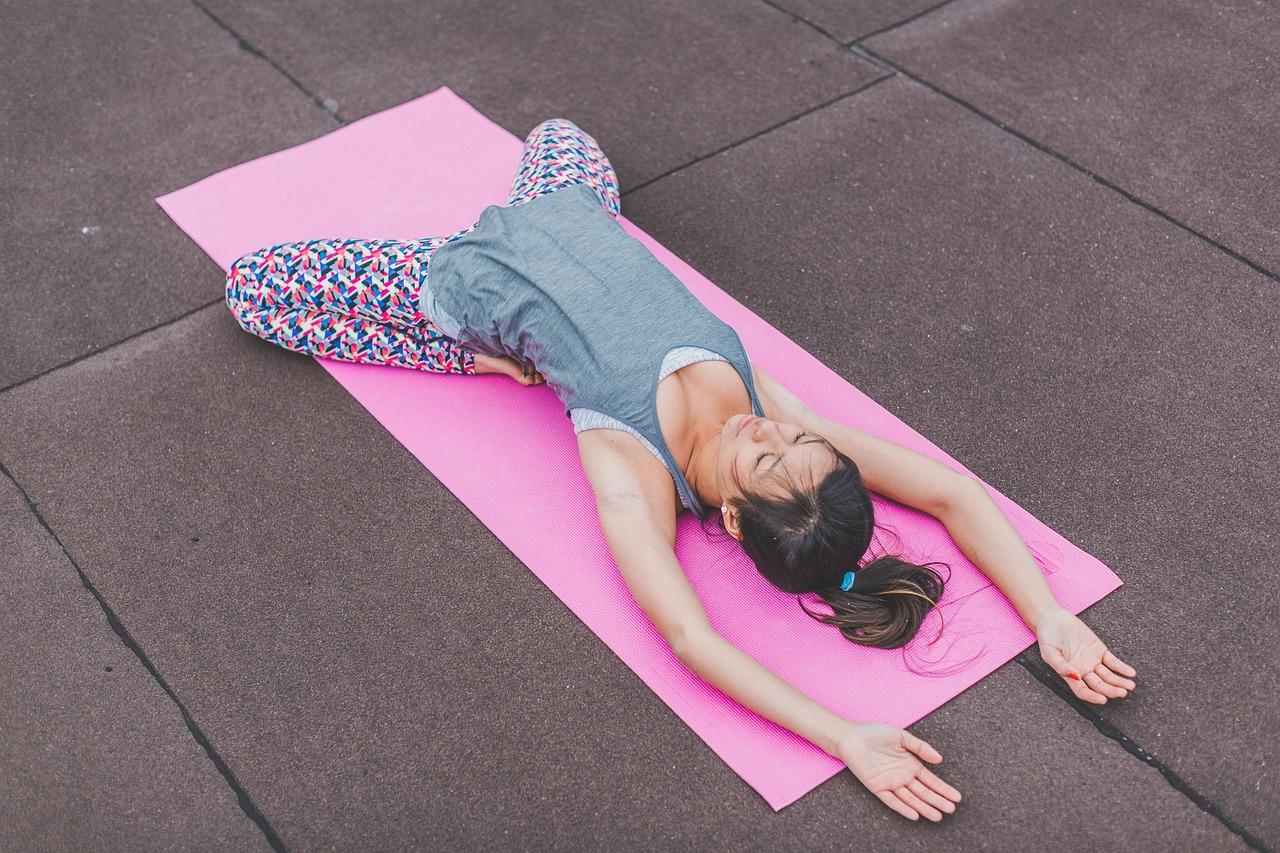

Static Stretching Routines for Full Body Flexibility
Flexibility is essential for overall health and wellness, enabling a greater range of motion and reducing the risk of injury. One of the most effective ways to achieve flexibility is through static stretching. This technique involves extending a muscle to its furthest point and holding that position for an extended duration. Static stretching helps to lengthen muscles, improve blood flow, and enhance physical performance. Unlike dynamic stretches, which are performed during a warm-up, static stretches are best suited for the post-exercise phase. Incorporating a routine with these stretches into your fitness regimen can yield significant benefits. Whether you’re an athlete, a dancer, or just someone looking to increase mobility, static stretching can help. It’s particularly valuable for individuals who spend long hours seated, as it can counteract muscle tightness and maintain flexibility. Understanding the basics of static stretching is crucial, as it allows you to perform these stretches safely and effectively. Following a structured routine will not only improve flexibility but also result in long-term mobility gains.
To develop a comprehensive static stretching routine, it’s vital to focus on all major muscle groups. A balanced routine ensures that no muscle is neglected while also addressing any imbalances. Start by targeting the neck, shoulders, and arms, moving down through the torso, hips, and legs. Each stretch should be held for a duration of 15 to 30 seconds, and it’s important to maintain proper form to avoid injuries. Breathing deeply while stretching helps to relax muscles and enhances the stretching experience. Consider using a checklist to monitor your routine, ensuring every muscle group receives attention. Include stretches such as the side neck stretch, triceps stretch, chest opener, seated forward bend, and quadriceps stretch. It’s also beneficial to work through both sides of the body to promote symmetry and flexibility. Adjust the intensity of the stretch by repositioning your body or using a prop, such as a yoga strap or towel, for added support. By consistently practicing these static stretches, you will likely notice improvements in your overall flexibility and comfort during daily activities.
Key Benefits of Static Stretching
Static stretching comes with numerous advantages that contribute significantly to physical fitness and recovery. One of the primary benefits includes increased flexibility, which can significantly boost athletic performance and day-to-day functionality. Enhanced circulation is another advantage, as stretching regularly helps improve blood flow to muscles, aiding recovery post-exercise and preparing the body for activity. This practice can also relieve muscle tension, proving essential for those who lead sedentary lifestyles. Furthermore, static stretching can help alleviate soreness and stiffness, making it easier to engage in physical activities without discomfort. The mindful nature of stretching encourages a focus on relaxation, which can reduce stress levels and improve mental clarity. As a result, adopting static stretching as part of your fitness program promotes an overall sense of well-being. Additionally, it aids in maintaining a full range of motion in various joints, facilitating everyday movements. Ultimately, the compound benefits of static stretching make it a vital component of any fitness or rehabilitation program, promoting long-term mobility, flexibility, and injury prevention for all levels of activity.
To maximize the benefits of static stretching, it’s important to know how to structure your routine. Begin by warming up your body with 5 to 10 minutes of light cardio or dynamic movements to raise your heart rate. Once your body is warmed up, transition into static stretches, focusing on each muscle group systematically. Use a mirror or enlist a partner to provide feedback on your form, ensuring you perform each stretch correctly to prevent injury. Plan to stretch at least three times per week, as consistency is key to achieving lasting results. Consider documenting your progress, as this can help stay motivated and provide insight into areas requiring additional focus. You can design your routine according to specific goals, strengths, and weaknesses. Always listen to your body; overexertion can lead to strains or injuries, so it’s vital to ease into each stretch. Remember that stretching should feel good, and if it induces pain, you’ve gone too far. Gradually deepen each stretch as your flexibility improves and allow your body adequate time to recover between sessions, promoting healthy, sustained progress.
Common Static Stretching Exercises
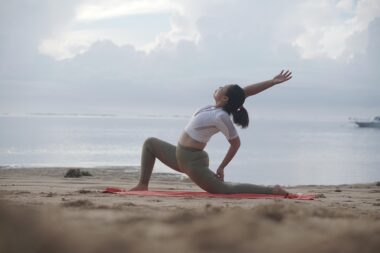
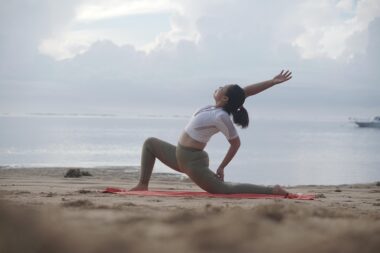
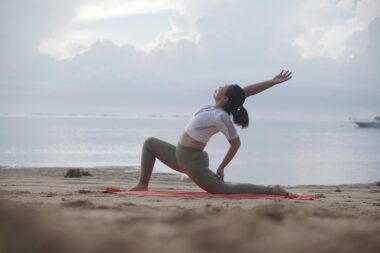
There are various static stretching exercises that effectively target different muscle groups, each tailored to enhance overall flexibility. Some foundational exercises include the hamstring stretch, where you sit with one leg extended and the other bent, reaching toward the toes of your extended leg. The butterfly stretch promotes flexibility in the inner thighs and groin, achieved by sitting with the soles of your feet together. To target the upper body, the cross-body shoulder stretch permits a deeper stretch through the shoulder area and upper back. Including spinal twists can also improve flexibility while aiding spinal health. Other beneficial static stretches include the standing quadriceps stretch, aimed at the front of the thigh, and the calf stretch to help loosen tight calf muscles. Make sure to incorporate these exercises into your routine for a well-rounded approach to flexibility. Practicing these stretches not only prevents injuries but also increases your mobility and performance in other forms of physical exercise. With regular practice, you’ll notice gradual improvements in your body’s flexibility and range of motion.
To ensure the effectiveness of your static stretching routine, encourage mindfulness and focus during each session. Pay attention to your breath and the sensations your body experiences while stretching. Try to engage in stretching sessions in a calm, quiet environment that allows you to concentrate on your practice. If possible, use props like yoga blocks or towels to assist in maintaining proper alignment during your stretches. Consider joining a yoga class or group where the instructors can provide guidance on technique and modifications tailored to your specific needs. This social aspect not only motivates but also brings a sense of community to your stretching journey. The relaxation achieved by focusing on breath and form also enhances the overall effectiveness of the stretches. Always ensure you’re wearing comfortable clothing that allows for ease of movement during your routine. As you grow more comfortable with these stretches, you can gradually increase the duration you hold each stretch, challenging your flexibility further. Consistent practice will lead to noticeable changes over time, bringing benefits that enhance your overall fitness journey.
Conclusion and Best Practices
In conclusion, static stretching routines play a vital role in improving overall body flexibility and mobility. Incorporating a variety of stretches into your weekly routine can lead to enhanced muscle length, reduced chances of injury, and better performance in athletic pursuits. Remember the importance of warming up before engaging in static stretches to prepare your body and minimize injury risks. Additionally, aim for consistency, gradually increasing the duration and intensity of your stretching as flexibility improves. Document your progress and take time to celebrate your achievements, no matter how small. Failure to recognize improvements can lead to demotivation. Always focus on proper techniques and listen to your body; if discomfort arises, adjust your approach accordingly. While static stretching is extremely beneficial, it should be combined with a well-rounded fitness regimen that includes strengthening and cardiovascular exercises. This harmonious balance will contribute to better overall health and mobility. Embrace static stretching, making it a fundamental part of your routine, and experience the many benefits this practice offers for body and mind.
Whether you are an experienced athlete or just beginning your fitness journey, static stretching is an essential addition that maximizes your flexibility and mobility. By understanding the basics and consistently implementing static stretching routines, you position yourself for a healthier, more active lifestyle. Consider reading more about flexibility techniques on reliable health and fitness websites or consult with knowledgeable trainers for tailored advice.