
Tips for Parents to Support Their Children’s Mobility Growth
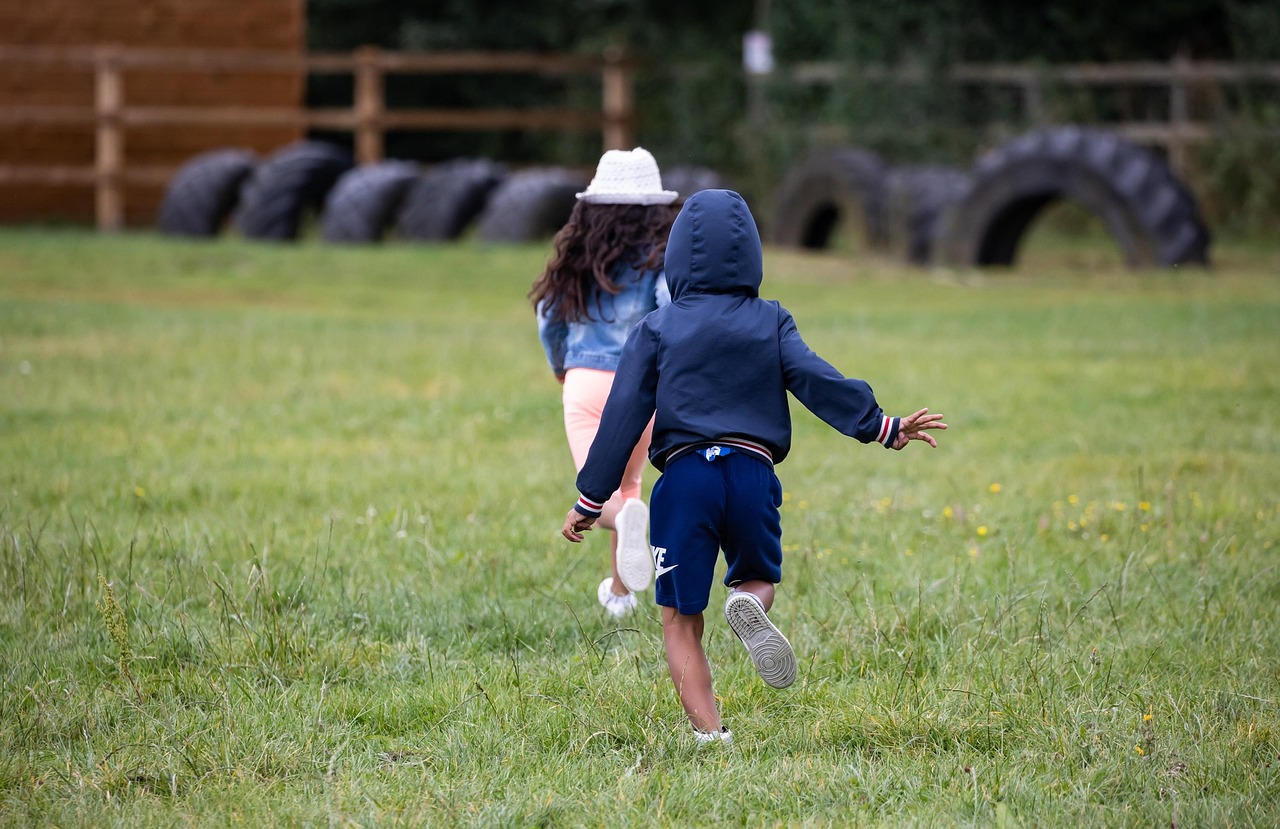
Supporting your children’s mobility growth is essential for their overall health and development. Engaging in physical activities enhances flexibility and coordination. Encourage outdoor play by providing ample space and opportunities for your kids to explore. Create a safe environment where they can run, jump, and climb. These activities not only improve mobility but also boost their social skills. Involve them in games that require movement, such as tag or hide and seek. Incorporate family activities such as hiking or cycling, which will not only enhance their skills but also strengthen family bonds. Additionally, distinguish between active and passive play. Invest in outdoor play equipment like swings or slides to make it appealing. Limit screen time to promote more active behaviors. Balance structured activities with free play, allowing children the freedom to explore their bodies without restrictions. Support them with positive encouragement to build confidence in their movement abilities. Remember, every child develops at their own pace, and it is important not to rush or pressure them into certain activities. Providing a supportive atmosphere for mobility exploration is key to their development.
Provide a variety of activities that focus on flexibility, strength, and balance. Integrate stretching exercises into their daily routine as they can significantly aid their physical development. Yoga can be particularly effective, offering both physical and mental benefits. It encourages children to develop their own awareness of their bodies. Consider enrolling them in classes or activities that focus on dancing or martial arts. These activities promote not just flexibility but also coordination and rhythm. Encourage them to participate in sports, as this often involves a range of movements that enhance mobility. Swimming is also highly beneficial, as it requires a full range of motions and complements overall strength. Make sure to celebrate their achievements, regardless of how small they may seem. This affirmation will motivate them to move more, ultimately enhancing their flexibility and mobility. Avoid giving them overly strenuous or complex tasks which could lead to frustration. Instead, start with basic movements, progressively offering challenges as they grow more confident. Regularly assess their engagement levels in various activities, ensuring they find joy and satisfaction in their movements.
Create a Positive Environment for Movement
Creating a supportive and encouraging environment is crucial to fostering mobility development. Verbal encouragement and positive reinforcement can make a significant difference in a child’s willingness to engage in physical activities. Use phrases like “You did a great job!” or “I love how you move!” to build their confidence. Additionally, model active behavior yourself. Your children learn a lot from observing you, so being active sets a strong example. On days where activity levels dip, create a fun incentive program that rewards movement through points or small prizes. If they engage in eight different activities a week, they can earn a special outing, like going to the park. This approach makes physical activity feel more like a game than a chore. Encourage peers to join in on activities, as children often enjoy engaging with friends. This social integration can lead to increased participation. Moreover, try responding to their interests when selecting activities. If they enjoy sports, inspire them to pursue it. A playful approach toward mobility can lead to better overall outcomes in their development and lifelong interest in maintaining an active lifestyle.
Incorporating adaptability into daily routines can foster effervescent childhood mobility. Creating a dynamic routine ensures that children are continually learning about their bodies. Fostering flexibility shouldn’t just occur in a structured environment. Allow them to experience spontaneous movement throughout the day, whether it be reaching, stretching, or climbing stairs. Establishing a set time each week for a family movement activity can provide structure while allowing flexibility in how energy is expended. For example, one week it can be roller skating, while another can involve going to the local playground. Provide them with different types of surfaces to play on, as varied terrain encourages new movement patterns. Interaction with different textures and elevations helps develop a myriad of muscle groups, enhancing overall mobility. Always ensure safety and monitor activities to prevent injuries. Don’t hesitate to adapt the environment to cater to your child’s growing capabilities; remove hazards and account for their skills and adaptability levels. Movement should be enjoyable and engaging, not pressured or intimidating. Ultimately, a diverse range of activities, both structured and unstructured, fosters an environment conducive to physical exploration.
Encourage Play Through Creativity
Encouraging children to play creatively is an excellent way to enhance mobility skills. Creative play often involves imaginative movement, allowing them to stretch their physical capabilities. Transform simple spaces into obstacle courses using furniture, providing fun but challenging ways to climb or navigate through. Let them spin, roll, and jump without hesitation. The nature of engaging in creative play leads to better balance and agility, crucial aspects of physical growth. Utilize scarves, hula hoops, or balls to motivate and involve these movements naturally. Explain how to use these props or create games promoting movement. Shake, wiggle, or dance with them, thus encouraging free exploration of their movement capabilities. Additionally, engaging in arts and crafts that require physical involvement can develop fine motor skills. Activities like painting or crafting encourage a blend of movement with creativity. Incorporate nature walks that encourage observation and movement, allowing them to discover how their bodies interact with the environment. Make the experiences collaborative by joining in their creations. This involvement will help them develop a love for movement that transcends any formal training, enabling them to adopt an active life.
As children engage in activities, it’s essential to focus on proper techniques for safe movement. Teaching them the basics of moving safely can help prevent injuries and encourage confidence. Begin with simple stretching routines to improve flexibility and prepare their bodies for physical activity. Explain how to warm up before engaging in new or strenuous exercises, and help teach them how to listen to their bodies. Understanding their limits will come naturally with practice, but early education can effectively minimize serious risks. Encourage them to maintain proper posture; this small adjustment will put less strain on their body while maximizing efficiency during play or sports. Provide them with footwear suitable for their activities, as the right shoes play a significant role in supporting growth and preventing injuries. Foster good habits like staying hydrated, as proper hydration enhances physical performance. Consider hours after vigorous activities to prevent overexertion. Ultimately, instilling an understanding of physical wellness at an early age will promote lifelong healthy habits. Focus on safety and technique early on to build a foundation for an active and fulfilling lifestyle.
Conclusion: Lifelong Mobility and Flexibility
In conclusion, supporting children’s mobility and flexibility growth is fundamental for their overall development. Parents play a vital role in nourishing a love for physical activity, which is foundational for fitness and lifelong mobility. Establishing a holistic approach to movement encourages balance, flexibility, and coordination. Engage them in various playful activities that cater to their interests and abilities, ensuring that they find joy in each experience. Equip them with appropriate skills and knowledge about safe practices while emphasizing enjoyment. Focusing on creating an inviting environment for movement allows children to explore safely and develop self-confidence in their abilities. All kids develop at their pace; therefore, be patient and understanding throughout the journey. Introducing structured routines that promote active lifestyles aids in fostering positive long-term habits. Encourage creativity in play and allow them to experience their body’s capabilities. Recognizing achievements and supporting efforts is vital to constructing a positive emotional relationship with movement. Finally, cultivate an atmosphere that celebrates physical activities, propelling them toward a fulfilling, active lifestyle. By doing so, you are nurturing their physical, emotional, and social development through well-rounded mobility practice.