
Treatment Options for Torn Ligaments in Snow Sports
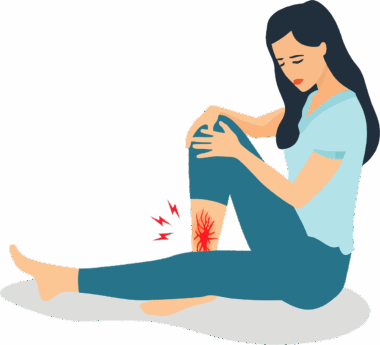
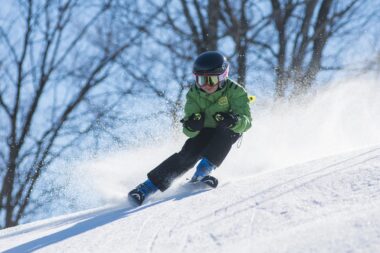
Winter sports can be exhilarating, but they often lead to injuries, especially torn ligaments. These injuries commonly occur in activities like skiing or snowboarding due to sudden twists, falls, or improper landings. When a ligament tears, it can cause significant pain, swelling, and limited mobility. The most commonly affected ligaments in skiing are the anterior cruciate ligament (ACL) and medial collateral ligament (MCL). Awareness and proper care are essential for rehabilitation. After the injury occurs, the R.I.C.E. method—rest, ice, compression, and elevation—should be applied immediately. This initial treatment helps reduce swelling and pain and is crucial in the early stages of recovery. Utilizing ice packs for 20 minutes each hour can provide numbing relief. Compression with bandages can curb swelling, while elevation keeps the injured leg raised. Following the acute phase, it’s advisable to seek medical help for a proper diagnosis through imaging like MRIs. If a ligament tear is severe, surgical options may be considered, which can involve repairing or reconstructing the torn ligament. Recovering from such injuries varies in length, often requiring a guided rehabilitation program.
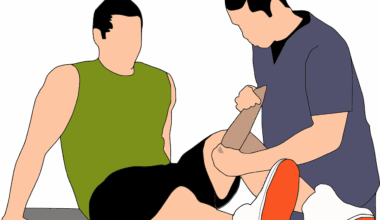
After diagnosis, determining the right treatment option is essential for effective recovery. Non-operative treatment is often effective, especially in partial tears where conservative measures can suffice. Physical therapy plays a primary role in rehabilitation, focusing on restoring strength and mobility to the affected area. A qualified physiotherapist can develop a tailored program that includes gentle range-of-motion exercises followed by strength training, gradually increasing the intensity and complexity of the exercises. The goal is to strengthen the muscles supporting the joint and improve overall stability without overloading the healing ligament. Additionally, therapeutic modalities like ultrasound, electrical stimulation, or cryotherapy may be employed to alleviate pain and facilitate recovery. These non-surgical approaches can significantly reduce the chances of complications. If the conservative route proves ineffective or for complete tears, surgical intervention may be necessary. Various techniques are available depending on the type of ligament affected. Surgery involves either reconstructing the torn ligament using ligament grafts or repairing it directly. Post-surgical rehabilitation is crucial for facilitating a return to snow sports, involving gradual reintroduction to activities to ensure full function and reduce re-injury risk.
Rehabilitation Techniques
Rehabilitation is a critical phase after any ligament injury, encompassing various techniques aimed at restoring the injured area. Gaining full range of motion should be the first goal post-injury, as swollen ligaments may restrict movement. Simple exercises, such as knee bends and straightening, help regain mobility while also enhancing blood circulation to facilitate healing. Once mobility improves, strength-building exercises that target the quadriceps and hamstrings become essential. Resistance bands, body weight exercises, and free weights can be gradually introduced into the routine. Balance can often be affected by ligament injuries, necessitating proprioception exercises to enhance stability and coordination. These exercises include single-leg stands, balance boards, and dynamic movements that mimic the demands of snow sports. Furthermore, gradually reintegrating sport-specific drills helps as recovery progresses, allowing the individual to regain skills and confidence in their movements. Finally, psychological support is important; visualizing successful performance can offer motivation and aid recovery. Regular follow-ups with healthcare professionals ensure the rehabilitation program adapts to the individual’s progress and needs, thereby laying the foundation for a successful return to winter sports activities.
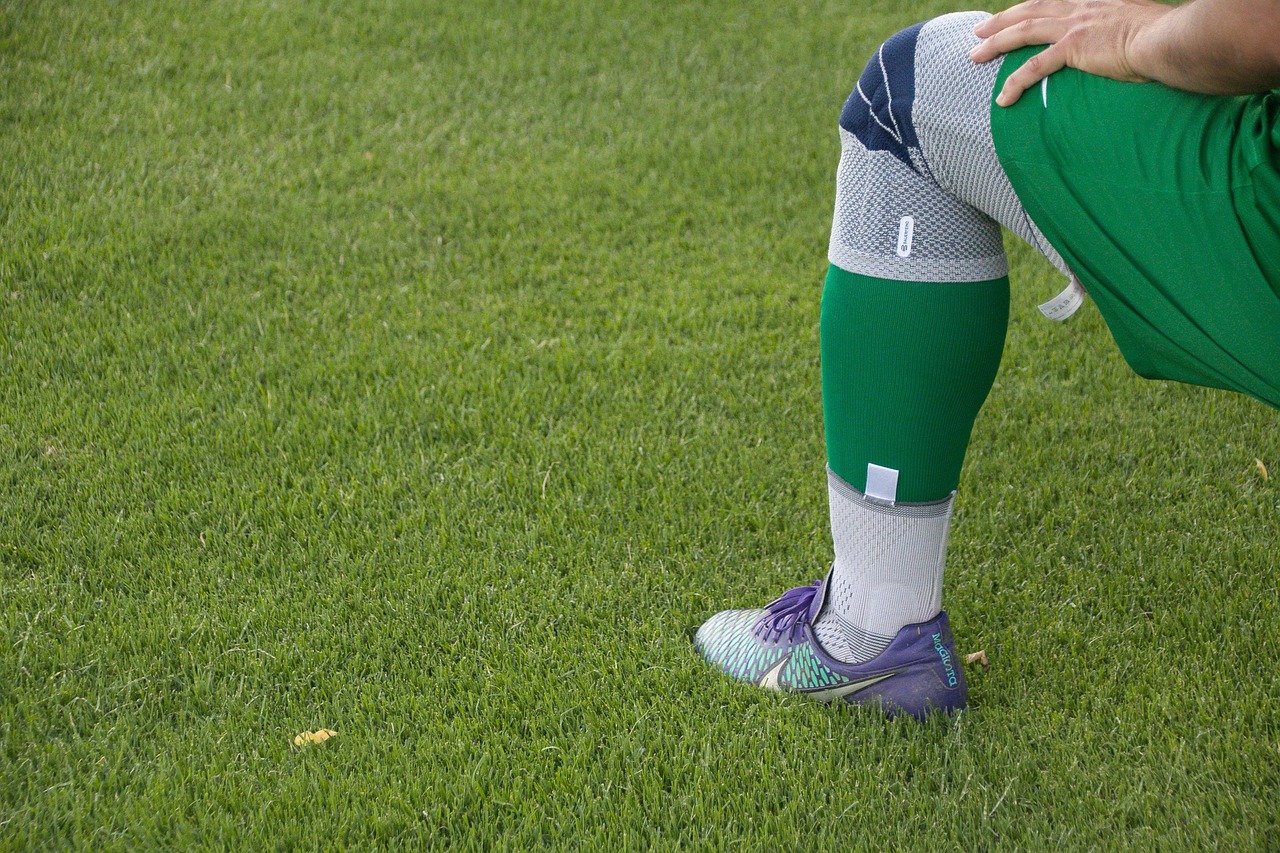
The use of assistive devices can significantly impact recovery for individuals with torn ligaments. Braces are commonly recommended during the rehabilitation process, providing additional support while allowing for movement. They help prevent further injury or instability while the ligament heals. Crutches are also beneficial in offloading weight from the affected leg, especially in the early stages when pain and swelling are most pronounced. Rehabilitation professionals often evaluate the needs for these devices as part of the comprehensive recovery strategy. Additionally, incorporating modalities like hydrotherapy can further enhance the rehabilitation process, as water-based exercises reduce stress on the joints. The buoyancy of water aids movement without placing undue strain on the injured ligament and joints, making it an excellent option for individuals transitioning back from non-weight-bearing to full-weight-bearing activities. As athletes regain strength and range of motion, utilizing a graded return-to-sport program is vital. This carefully structured plan guides reintroduction to athletic activities based on the individual’s recovery progress allows for monitoring of any pain or instability during drills. This methodical approach helps ensure a safe return to winter sports activities without risking subsequent injuries.
Long-term Management and Prevention
Post-recovery, long-term management is essential to prevent future injuries after a torn ligament, particularly in the context of winter sports. Athletes should focus on maintaining overall strength and flexibility, emphasizing protective muscle training that supports the affected joints. Continual improvement in muscle balance can prevent overuse injuries and excessive strain on repaired ligaments. Engaging in pre-season conditioning programs that focus on enhancing core stability, leg strength, and flexibility prepares athletes for the physical demands of snow sports. Educationally, athletes must be aware of proper techniques to enhance safety during activities. Learning how to fall safely or practicing emergency maneuvers can help reduce the risk of subsequent injuries. It’s also essential to have occasional check-ins with medical professionals to assess progress and adapt training regimens as necessary. For those individuals who remain active in winter sports, participating in workshops or seminars that cover injury prevention and safe practices can offer further insights and positive reinforcement. Being informed about emerging recovery techniques, adaptations, and evolving snow sports equipment may also decrease vulnerability, allowing athletes to enjoy their passion while minimizing risks.
In addition to physical strategies for long-term management, embracing a holistic approach contributes positively to recovery and performance in snow sports. Nutrition significantly impacts the healing process; athletes are encouraged to adopt a balanced diet rich in vitamins and minerals to support ligament healing. Foods high in Omega-3 fatty acids, antioxidants, and calcium can enhance tissue repair and overall joint health. Moreover, hydration plays a vital role in preventing injuries, as well-hydrated muscles are less prone to strains and sprains. Mindfulness techniques, including meditation and visualization practices, are also integral to enhancing psychological readiness, enabling athletes to overcome fears of re-injury. Engaging in mental conditioning alongside physical training might foster confidence, thereby providing an emotional toolkit for athletes resuming competition. Athletes may also benefit from incorporating functional training; this method mirrors movements performed in snow sports, enhancing muscle muscle memory and agility. Ultimately, the success of rehabilitation and return-to-sport hinges upon individual commitment, adherence to guidelines, and proactive participation in follow-up assessments. By integrating physical, nutritional, and psychological strategies, individuals are positioned for a robust return to their beloved winter sports.
Conclusion
In conclusion, managing torn ligaments in snow sports requires a comprehensive, multi-faceted approach. From initial treatment to active rehabilitation and long-term management, it is essential to prioritize effective strategies that maximize recovery and re-integration into sporting activities. Understanding the intricate dynamics of ligament injuries empowers athletes facing these challenges to navigate the recovery process with confidence. As winter sports enthusiasts, they engage in readily available educational resources to stay informed on the best practices for preventing injuries. Regular communication with healthcare providers, participating in tailored rehabilitation programs, and emphasizing a balanced lifestyle all contribute to overall well-being. As athletes recover, they can take pride in implementing their knowledge and strategies, reinforcing a foundation of resilience against future injuries. Also, by adopting a proactive attitude towards health, athletes can realize their full potential both in performance and passion for winter sports. It is essential to approach these injuries with patience and determination, leading to a successful return to snow sports enjoyment while minimizing complications. With adherence to rehabilitation guidelines and focusing on preventative care, athletes can partake in their favorite winter activities safely.
The journey of recovery from torn ligaments in snow sports underscores the resilience of athletes, demonstrating the importance of proper care and rehabilitation. Structures such as ligaments are crucial for joint stability, and understanding their role helps athletes appreciate the need for recovery. Following the advice of professionals ensures appropriate treatment choices. Incorporating a wide range of methods will bolster recovery and enhance performance, ensuring active participation in winter sports is safe and enjoyable. Adopting a holistic approach and focusing on nutrition, strength, and mental conditioning creates a supportive environment for healing. As individuals embrace winter sports, it’s essential to be informed and well-prepared to mitigate potential risks. By dovetailing each aspect of recovery, athletes can foster a mindset of readiness, allowing them to fully engage in their sports while minimizing the likelihood of future injuries. Overall, addressing torn ligaments in snow sports can be a challenging but rewarding endeavor, emphasizing the importance of commitment and knowledge in ensuring a successful return to action.