
How to Skateboard Safely on Different Surfaces
Skateboarding is an exhilarating activity, yet safety must always come first. When skating, the surface you choose greatly impacts your overall safety. Smooth surfaces such as concrete and asphalt provide an optimal riding experience. They allow for better grip and stability, vital for executing tricks. However, these surfaces can also pose risks, especially if they’re wet or dirty. Always inspect the riding surface for hazards like gravel or debris, which could cause accidents. If possible, choose dedicated skate parks for a safer environment, as they are designed with various ramps and obstacles that cater to skateboarders. Additionally, wearing proper protective gear significantly boosts your safety while skating. Always wear helmets, knee pads, and elbow pads to minimize injuries in case of falls. Each part of your body has a different vulnerability, and protecting yourself is essential. Learning to fall properly can also reduce injury risk, so practice a roll to disperse impact. Remember that every skating experience teaches the importance of safety first; embrace this aspect and enjoy your rides. Stay alert, follow these tips, and have fun while developing your skating skills safely. The thrill is more gratifying when you’re careful.
Adapting to Surface Changes
Skateboarding on various surfaces requires adaptability and skill. Transitioning from smooth concrete to rough gravel can be daunting, but you can master it with practice. Each surface presents unique challenges and demands different techniques. When skating on rough, uneven surfaces, it’s important to maintain a lower center of gravity. This position enhances your balance and control, enabling you to respond to bumps and dips effectively. For gravel, approach with caution—gradually shift your weight to ensure stability. Lesser skating speed also aids in maneuvering effectively. Utilizing specific skateboard types, like those with larger wheels, can greatly enhance performance on uneven terrain. These wheels provide better shock absorption. Also, practice skidding techniques to help control your speed and stop efficiently without falling. Never underestimate the importance of keeping your board clean and maintained, too. Regularly check for debris stuck in the wheels and ensure all screws are tight, as loose parts can easily cause accidents. Lastly, trust your instincts and avoid skating on completely unfamiliar surfaces without prior observation. Doing so will help you prevent unexpected hazards that can lead to serious injuries. Be proactive and enjoy the diversity of skating terrains!
Another critical aspect of safe skateboarding is understanding your environment. Be aware of the weather, as conditions can significantly affect your ability to skate safely. Rain, for instance, makes surfaces slippery, increasing the danger of slipping and falling. If it rains recently, consider staying indoors or opting for an indoor skate park where conditions are controlled. It’s also crucial to be mindful of pedestrians and cyclists around you. Always be prepared to share the space and practice proper etiquette. Yielding to others ensures a safer skating experience for everyone involved. When skating in crowded areas, reduce your speed to maintain better control. Using hand signals while turning or stopping can also inform others around you of your movements, minimizing the risk of collisions. Moreover, consider practicing with friends; skateboarding with others provides extra safety. You can help each other out and learn from each other’s techniques as well. Finally, don’t forget to enjoy the surroundings while you skate, as taking in your environment enhances your experience. Awareness and consideration for others will give you more enjoyable, safe skating adventures.
Choosing the Right Gear
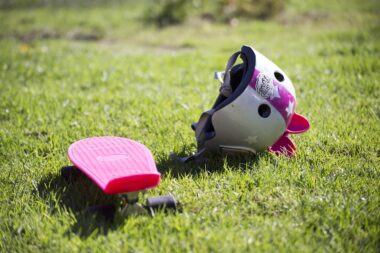
Choosing the right skateboard and safety gear is vital for effective and safe skating. Properly fitting gear ensures maximum protection against injuries. To choose an appropriate helmet, check for sturdiness while also ensuring it fits snugly on your head. A loose helmet may not provide adequate protection during falls. Additionally, you should opt for skate shoes designed for optimum grip and cushioning. Skate shoes made of durable materials will help you maintain traction on your board while also absorbing shocks. When selecting a skateboard, consider factors such as size, design, and wheel type. A wider board offers better stability for beginners, while advanced skaters may prefer a narrower board for tricks. Don’t forget to accessorize; protective padding for knees, elbows, and wrists can help prevent serious injuries. Choose high-quality pads that fit comfortably, allowing you to move freely while skating. Investing in your safety gear initially can pay off in terms of injury prevention down the line. Always inspect your gear before skating, replacing worn-out items immediately. Ultimately, wearing the right gear can make the difference between a great ride and a painful fall.
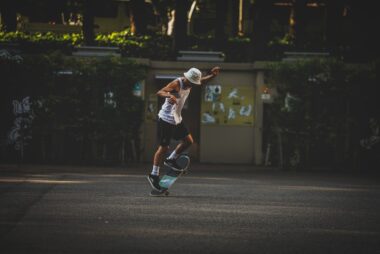
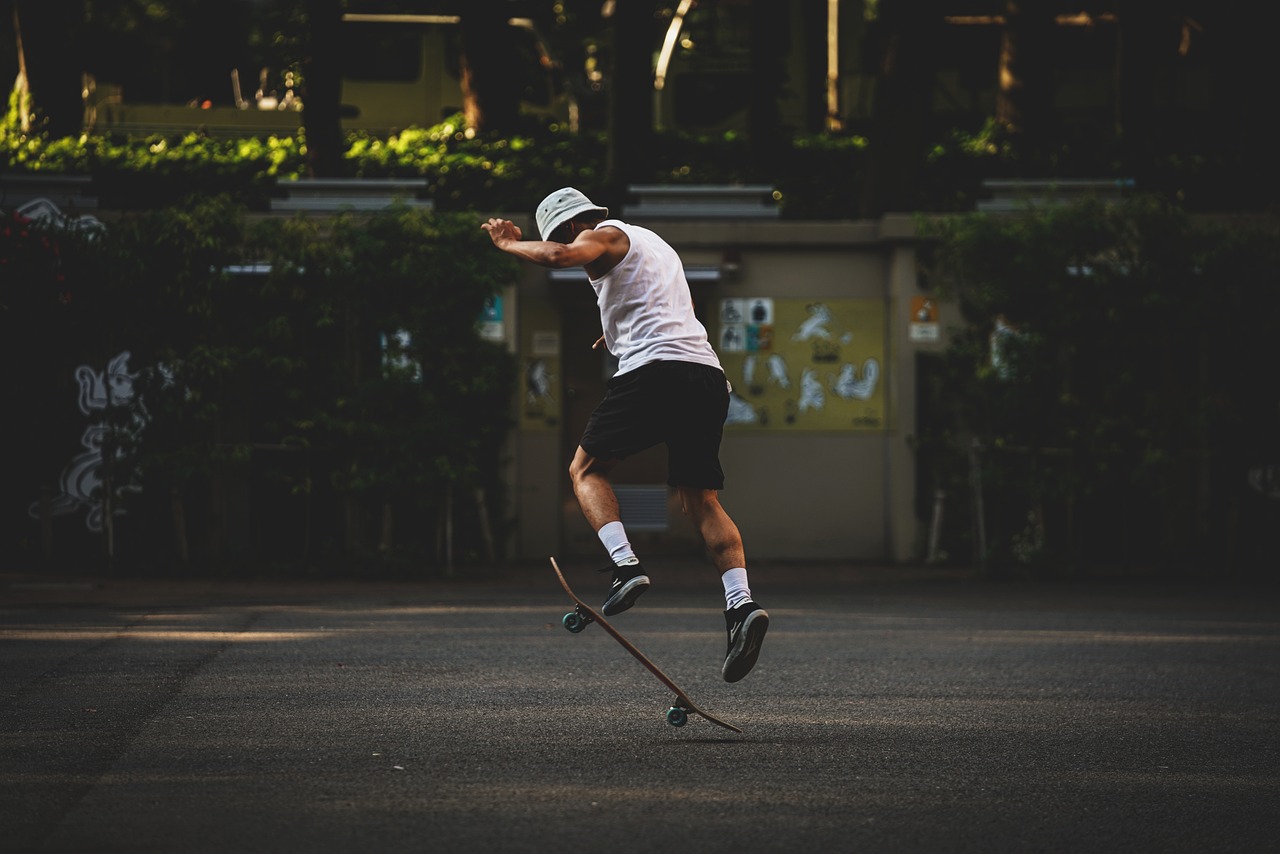
Riding style plays an essential role in promoting safety during skateboarding. Whether you prefer cruising or executing tricks, your style can significantly influence your performance on various surfaces. For beginners, focusing on fundamental techniques before attempting complex tricks is crucial. Mastering basic maneuvers like turning, stopping, and riding straight builds a solid foundation for further skill development. Different skating styles, such as street or vert, may require adjusting your techniques according to the surface. Street skating typically demands agility on rugged terrain, while vert skating is centered on ramps and aerial maneuvers, requiring specialized skill sets. Practicing frequently will build muscle memory, helping you confidently adapt to variations in terrain. Skate parks may provide suitable areas to experiment with different styles while ensuring safety through controlled environments that minimize hazards. Additionally, connecting with experienced skaters can teach valuable lessons about maneuvering effectively on unfamiliar surfaces. By adopting a flexible mindset and willing to learn, your skating journey can become an enjoyable experience. Prioritize safety without sacrificing fun and embrace your unique style as a skateboarder, as this will greatly enhance your passion for the sport. Ultimately, growth and improvement await every passionate skater.
Understanding Falling Techniques
Proper falling techniques are crucial in skateboarding since falls are inevitable. Accepting that falling is part of learning helps build resilience and enables you to prepare mentally. Learning how to minimize injury when falling can significantly boost your confidence while skating. When you feel like you might fall, aim to roll, rather than trying to catch yourself. This technique evenly disperses the impact when you land, reducing the risk of injury. Practice rolling on soft surfaces, like grass, to become comfortable and develop instinctual responses. Always keep your arms relaxed; stiff arms can lead to worse injuries by causing hyperextension. Additionally, maintaining a low center of gravity while skating lowers your chances of falling. As you develop your skills, understanding how to control your movements during a fall provides more security. Always skate within your comfort zone while gradually expanding your skillset, reducing the risk of serious spills. Furthermore, consider practicing with friends, as having a support system helps motivate and build confidence when skating in challenging environments. When you master falling techniques, each ride becomes an opportunity for growth, enhancing your awareness and reducing fears that can adversely affect performance.
Finally, engaging in a consistent stretching and strengthening routine significantly reduces injury risk while skateboarding. Stretching improves your flexibility, helping your body adapt to various movements and surfaces. Dedicate time either before or after your skating sessions to perform stretches targeting your legs, back, and arms. Focusing on these areas enhances your overall coordination and helps you maintain balance during complex actions. Strengthening exercises can also improve your stability and control while riding, particularly in adjusting to uneven surfaces. Incorporate body weight resistance movements, such as squats and lunges, to develop strong muscles that support skateboarding stances effectively. Consistency in your fitness routine contributes to an overall stronger skating performance and injury prevention. Consider attending skateboarding workshops or classes, where trainers can guide safe practices while introducing you to advanced techniques. Lastly, listen to your body and rest when needed, as disregarding pain can lead to long-term issues. Skateboarding is about enjoyment and growth, and staying fit fosters that journey. With diligent practice and a proactive approach to safeguarding yourself, you can enhance both your performance and the joys associated with skateboarding safely on different surfaces!
Conclusion
In conclusion, mastering the art of safe skateboarding requires a multifaceted approach that emphasizes preparation, awareness, and adaptability. With the right mindset and respect for safety protocols, you can enjoy the thrilling sport while minimizing risks. Assess your surroundings meticulously, choose your pathways wisely, and understand the diverse surfaces on which you skate, as they play pivotal roles in your safety. Remember to wear protective gear, stay alert to potential hazards, and practice falling techniques to further safeguard yourself. Always maintain a commitment to continuous learning and improvement, allowing you to stay confident as you progress in your skills. Incorporating stretching and fitness routines should also be fundamental aspects of your overall skating plan, contributing to your well-being while enhancing your performance. Lastly, invite friends along for an enjoyable supported journey; sharing experiences can ultimately reinforce your safety while building a positive community. While skateboarding offers a sensational sense of freedom, your safety plan should always be at the forefront of your rides. Embrace both your passion and caution to fully enjoy your skateboarding adventures; riding with care will lead to lasting memories!