
Mindfulness and Meditation to Boost Parkour Flow and Creativity
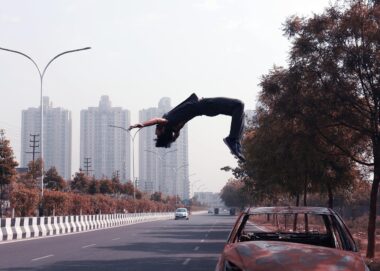
Parkour is not solely a physical activity; it is also an expressive art form that blends movement with creativity. To truly excel at parkour and freerunning, practitioners must cultivate an awareness of their bodies and environments. This awareness can significantly enhance flow, the state where movements become fluid and effortless. Mindfulness, when introduced into training routines, encourages individuals to focus on each movement while letting go of distractions. This focus can bring about a heightened sense of spatial awareness. Meditation is an excellent complementary practice, establishing a state of calm that allows a freer expression of movement. With the body tuned into the mind through meditation, freerunners can visualize pathways and jump sequences more effectively. Additionally, implementing breathing exercises can help manage anxiety in challenging situations, leading to improved performance. Incorporating these mindfulness techniques leads to a holistic training experience, producing not only skilled practitioners but also individuals who appreciate the art of movement. Practicing mindfulness equips freerunners with the mental tools needed to tackle both physical and psychological challenges, fostering creativity through a tranquil yet alert state.
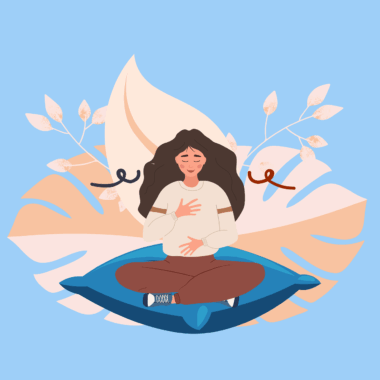
In order to enhance parkour flow, integrating meditation into your routine can create a broader mental and spatial framework for movement. Meditation cultivates concentration and clarity, essential attributes for navigating obstacles creatively. Regular meditation sessions can take various forms such as guided practices, focused breathing, or simply sitting in silence. Through meditation, practitioners learn how to observe their thoughts and connect with their movement. This connection bridges the gap between mind and body, allowing for a cohesive flow when training or performing. By fostering a state of connection, athletes open pathways for creativity to flow, helping them find unique solutions to different challenges. A crucial aspect of meditation is becoming present, becoming aware of surroundings, proprioception, and engaging in mindful practice. When your mind is at peace, you are less likely to succumb to stress or distractions, which enhances focus. The practice does not need to last long; even a few minutes can offer significant benefits. Embracing meditation alongside physical training can lead to innovative movements and a greater appreciation for the parkour community, resulting in enriched training sessions and newfound levels of creativity.
The Role of Mindfulness in Freerunning
The role of mindfulness in freerunning extends beyond just improving focus; it actively enhances creativity as well. With mindfulness, athletes become fully aware of their surroundings and movement patterns, unlocking potential they may not have recognized. This awareness allows for innovative thinking during practice, as practitioners begin to notice unique ways to navigate spaces. Furthermore, engaging fully in the moment promotes confidence, encouraging athletes to explore new techniques without fear of failure. Mindfulness prompts practitioners to connect with their environment, appreciating the textures of surfaces, the distance between jumps, and the possibility of various routes. This level of engagement leads to spontaneity in movement, as athletes feel empowered to improvise in response to changing situations. Practicing mindfulness also contributes to muscle memory, which is crucial for executing complicated maneuvers. By refreshing physical memory through mindful repetition, athletes can effortlessly engage in complex moves during flow states. In these moments, parkour transitions from mere physical execution to an expressive form of art. Athletes become absorbed in their performances, discovering the freedom that emerges from a mindful approach to their training.
Enhancing parkour flow through creativity also requires understanding the importance of mental imagery. Visualization techniques can contribute to a more effective practice by enabling athletes to mentally rehearse movements before executing them. This process involves picturing oneself performing specific moves, visualizing the environment, and even anticipating how the body will react to various challenges. Mental training can be combined with mindfulness practices to reinforce this imagery. For example, during meditation, envisioning oneself succeeding in a challenging parkour run can help solidify confidence and capability before attempting the task physically. This mental rehearsal allows athletes to explore different sequences, identifying potential challenges and solutions. Moreover, positive visualization fosters a sense of achievement and can help combat anxiety or fear of failure. By visualizing successes while focusing on breath and calmness, freerunners can prepare mentally for greater emphasis in their physical abilities. This practice can lead to more imaginative and fluid performances, where creative thinking blends seamlessly with physical prowess. Through visualization, individuals can break through personal limitations and foster an innovative mindset that translates into their live practices.
Connecting with Nature through Mindful Movement
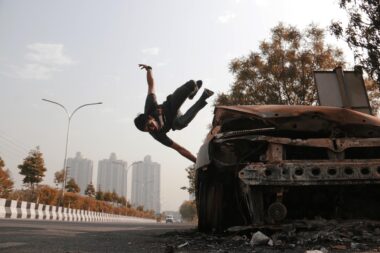
Connecting with nature plays a fundamental role in promoting a sense of creativity and flow in parkour. Engaging with natural environments while practicing parkour encourages an organic relationship between movement and the earth. Outdoor settings, such as parks or urban landscapes, provide diverse and textured obstacles that can fuel creativity. Furthermore, spending time in nature allows individuals to become attuned to the sensations and rhythms of their surroundings, enriching their movement experience. Practicing parkour outdoors often cultivates mindfulness through the natural beauty and energy of the environment. The sights, sounds, and smells can captivate attention, grounding practitioners in the moment. By immersing oneself within these varied surroundings, freerunners can foster new ideas and playful approaches to their routines. Movement becomes a response to nature itself, encouraging spontaneous exploration and inspiring unique flow patterns. In addition, taking regular breaks to observe and appreciate the environment consolidates the connection between mind, body, and nature. This practice serves as a reminder of the inherent creativity found in surroundings, translating feelings of inspiration into the art of freerunning, emphasizing the collaborative relationship between the practitioner and the natural world.
Maintaining balance between discipline and creativity is essential in parkour training. While technical skills and repetitions are crucial for improvement, setting aside time for unstructured movement promotes creativity. Finding a generous balance of mindfulness practices can create room for exploration. Regularly alternating between structured drills and freer movement sessions can help foster this balance. This could involve establishing specific days for focused training and other days for creative expression. During these unstructured sessions, athletes should focus on listening to their bodies and embracing spontaneity. Encouraging a playful mindset supports innovation and the development of personal style, transcending traditional techniques. Mindfulness during these moments allows practitioners to truly engage with their movements, unlocking unique forms of expression. Creative expression can lead to redefining personal boundaries and developing a distinct style in performance. By creating space for unstructured exploration, athletes can organically enhance their technical skills while nurturing their individual artistic voice. Developing a personal connection with the movements can contribute significantly to an enriching parkour experience, emphasizing the importance of embracing the roots of creativity throughout their journey.
Conclusion: Integrating Mindfulness into Training
Integrating mindfulness and meditation into parkour training can have profound effects on an individual’s performance and creativity. Through regular practice, athletes can cultivate deeper awareness, creativity, and mental resilience. Pairing physical training with techniques like meditation and visualization fosters a clearer mindset, leading to a more enjoyable experience in freerunning. The benefits extend beyond mere physicality, encouraging a richer understanding of the relationship between mind and body. By embracing these practices, practitioners open themselves to creative expressions that transcend traditional boundaries, exploring the world around them with restored confidence. Ultimately, engaging in these practices daily encourages personal growth and enhanced skills in parkour. The commitment to mindfulness translates directly into heightened awareness of surroundings, improved attentiveness to techniques, and the ability to engage spontaneously with movement. Athletes can find beauty in their environment through heightened creativity and flow, transforming their experiences into moments of art. Therefore, committed practitioners should dedicate time for meditation, mindful reflection, and creativity exploration. This approach unlocks the potential for each individual to magnify their journey in parkour while gaining satisfaction from the mastery and exploration of themselves through movement.