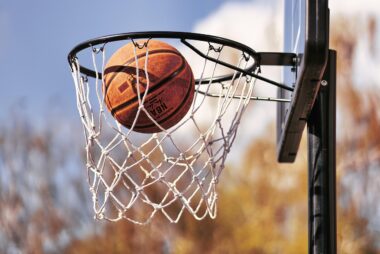

Post Moves Combinations for Centers
In basketball, effective post moves are crucial for centers to dominate the paint and score efficiently. Mastering various combinations of moves can create scoring opportunities against defenders. Players should start by learning the basic footwork, which includes pivoting and using speed effectively. Proper technique allows players to maintain balance while executing moves. For example, the “drop step” is a foundational move that utilizes the defender’s positioning against them. After establishing a strong base, centers can explore various options such as fakes, spins, or drop steps. These techniques are essential in-rhythm plays for gaining an advantage over defenders. Learning to read defenses adds a layer of complexity to post moves. Centers should also focus on maintaining low positioning to create leverage, making it more challenging for defenders to react. Visualizing movements and practicing in drills can significantly enhance performance. It’s also valuable to simulate game scenarios in practice. Coaches should encourage players to experiment with combinations to find their unique style and comfort zone. Proper conditioning is equally vital to ensure centers can execute their moves consistently throughout the game. Continual practice leads to improved efficiency and scoring success.
A key aspect of mastering post moves is understanding the defender’s position. For instance, when a defender is playing tight, centers should practice shooting techniques like the jump hook or using a quick spin move to create separation. On the other hand, if they sense that a defender is sagging off, performing a shot fake followed by a pull-up jumper could be effective. Another dynamic combination is to pair a shoulder fake with a step-back jumper. This combination leverages the defender’s momentum against them, creating space for a clean shot. Centers can also employ the “up-and-under” technique, which is highly effective for tricking defenders who jump prematurely. Moreover, it’s essential to maintain a solid grip on the ball and ensure better control during fakes. Drills focused on these moves should incorporate defense by having teammates simulate game-like situations. This not only improves shooting accuracy but also builds confidence. Players must learn to read the defender’s reactions to adapt their moves dynamically. High-level performance relies on the ability to improvise as the play unfolds. Such adaptability is crucial in making quick decisions in high-pressure scenarios.
Drills for Developing Post Moves
To enhance post move techniques, centers should engage in specific drills designed for this purpose. One effective drill involves practicing footwork and positioning with cones. This exercise helps players develop spatial awareness on the court while refining their movement skills. Centers should also focus on line drills that emphasize quick changes in direction, which are vital for effective post play. Incorporating partner drills allows players to simulate opposing defenders, providing a realistic experience. One recommended drill is the “2-ball” drill, where a center practices fakes and footwork with a ball in each hand. This drill can enhance coordination and ensure players become more comfortable when handling the ball while executing moves. Another valuable concept is to integrate strength and conditioning exercises to support lower body strength. Centers often use squats, lunges, and resistance training to maintain physical readiness. Keeping up with conditioning improves endurance, which is pivotal during intense game situations. Consistent repetition will lead to muscle memory and fluidity in executing essential post moves. As players continue to develop their skills, they will notice more significant scoring opportunities arising during games.
Another essential aspect to consider is the mental game surrounding post moves. While technical skills are critical, a player’s mindset can significantly impact performance. Understanding when to utilize specific moves against various defensive strategies can set successful players apart. Recognizing different defensive alignments helps players make better decisions under pressure. Centers should also develop a keen sense of timing; executing moves at the right moment can make a substantial difference in creating spacing. Visualization techniques can greatly assist this aspect of training, allowing players to preemptively strategize. Watching film of previous games can provide insights into successful move execution and areas for improvement. Analyzing opponents’ tendencies helps centers become more strategic in their approach. By understanding these nuances, players can plan their moves accordingly. Another prevalent mental approach is cultivating resilience, as not every play will go as planned. Embracing failure in practice as an opportunity for growth will build a healthier mindset in the long term. Centers should focus on improving with every drill and game, as this persistence leads to enhanced overall performance. As players grow, they can transition their skills effectively, making them formidable postseason contenders as well.
Game Situations and Adaptability
During actual games, adaptability is critical for centers making post moves. Reading the flow of the game allows for smarter decision-making during crucial moments. Centers need to assess the defensive strategies constantly and adjust their moves based on the opponent’s reaction. A quick glance over the defender’s shoulder can provide insight into whether or not to attempt a shot or pass the ball to an open teammate. Developing this awareness comes from experience, both in-game situations and practices. Learning to anticipate movements can enhance a player’s ability to remain one step ahead of the defense. Centers should constantly work on situational drills that improve their responsiveness in game-like scenarios, allowing moves to become second nature. Practicing against varying levels of defensive pressure prepares players for the unpredictability of actual matches. Additionally, working closely with coaches on strategy reinforces concepts that may not be apparent during gameplay. Communication amongst teammates is also vital; knowing when to cut or set screens can create openings for effective post plays. Centers should practice these interactions regularly to ensure fluid gameplay. This practice will lead to confidence on the court as players grow comfortable with their roles.
Another critical element that enhances post success is teamwork. Centers should not operate in isolation; they need to collaborate closely with their teammates. Having someone set screens or deliver precise passes increases the center’s chances of scoring. Building chemistry among teammates is essential in perfecting timing and teamwork dynamics. Offensive strategies should focus on creating opportunities for the center through designed plays that feature strong ball movement. A well-executed pick-and-roll can free a center up for a high-percentage shot. Furthermore, teams should emphasize communicating on the court; clear communication can enhance effectiveness during these scenarios. Practicing plays that rely on quick movements from guards or forwards creates an offensive rhythm promoting successful center play. Additionally, including passing drills into practice sessions can improve overall teamwork. Centers can benefit from receiving accurate passes while they are in motion. This helps mimic game situations where efficient passing is necessary. Strong relationships on the court lead to improved teamwork and fosters trust, allowing centers to be more confident during high-stress moments. Consequently, as the team gels, individual players can look forward to more scoring chances, leading to overall success.
Conclusion and Continuous Improvement
In conclusion, centers must master their post moves and combinations to excel in basketball. The importance of skill development cannot be overstated, as effective post techniques can make the difference in tight games. Training routines should focus on improving footwork, agility, and developing muscle memory for various techniques. Additionally, mental preparation will enhance players’ abilities to read defenses and react accordingly. Regular practice ensures that moves become second nature and enables players to execute them instinctively during games. Centers should constantly review their performance to identify areas of improvement. Gathering feedback from coaches and teammates will provide insights that can be incredibly valuable. Investing time in drills that encourage adaptability and game awareness is just as important as perfecting individual moves. Committing to continuous improvement and remaining open to feedback fosters growth in both skills and confidence. As centers refine their abilities, they will discover increased success on the court, inspiring teammates and building a strong presence within the game. Ultimately, dedication, practice, and mutual respect will set successful centers on the path to becoming elite players who can dominate in their role.
The journey of skill-building in basketball is ongoing. Practice, dedication, and a desire to improve will lead to success for centers mastering their post moves. Staying engaged in training ensures that players are well-prepared, both mentally and physically, for the challenges ahead. As more players embrace learning, the game will continue to evolve, bringing excitement and opportunities for everyone involved.