
Time-Saving Home Bodyweight Workout Plans for Weight Maintenance
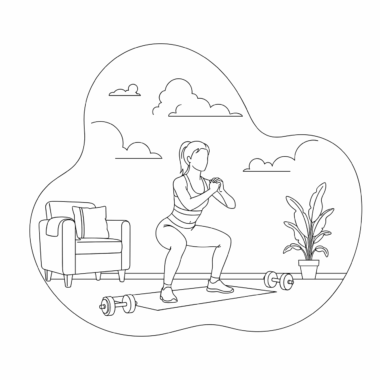
Maintaining weight can be challenging, especially during busy times. Bodyweight exercises are highly effective and can be performed anywhere, including the comfort of your home. This advantage allows for flexibility and accessibility, making them perfect for integrating into your daily routine. Transform your living space into a fitness zone; it doesn’t require expensive equipment or complex setups to get started. Focus on exercises such as push-ups, squats, and planks, which utilize your body weight to build strength and endurance. Scheduling short but intensive workouts can yield great results. Exercises like burpees and mountain climbers not only engage multiple muscles but also elevate your heart rate. Aim for total body workouts that can be done in 20-30 minutes. Moreover, warming up properly and cooling down post-workout are essential to avoid injuries. Various online resources provide structured plans, allowing you to choose routines tailored to beginners through advanced individuals. Modifying workouts based on your fitness level ensures you remain engaged. Consistency is key to weight management, so aim for a regular schedule, even if it means short bursts of activity occurring several times throughout the week.
To further enhance your bodyweight workouts at home, consider incorporating elements of high-intensity interval training (HIIT). By alternating between short, intense bursts of exercise followed by brief rest periods, you can maximize calories burned while reducing workout time. Research indicates that HIIT can be more effective for weight maintenance compared to continuous, moderate-intensity exercise. Design a simple routine that alternates activities, such as 30 seconds of jump squats followed by 15 seconds of rest, then move onto push-ups. Such an approach keeps your metabolism elevated even after the workout ends, promoting ongoing calorie burning. Moreover, using a timer can help track intervals easily, providing a simple structure for each session. Increase the intensity as your fitness improves by either extending the exercise duration, minimizing rest times, or adding more complex movements. To prevent boredom from the repetition, switch your exercises regularly and set new goals to keep motivating yourself. Engaging your mind during workouts is just as vital as engaging your muscles. Consider listening to upbeat music or podcasts that inspire you to push through each session with enthusiasm and determination, making your exercise routine a fulfilling part of your lifestyle.
Creating Community and Accountability
Engaging with others can offer necessary motivation and accountability in your weight maintenance journey. A community can be exceptionally beneficial, whether virtually through social media or in person through local fitness groups. Sharing your goals, workouts, and progress with others creates an environment of support and encouragement. Consider starting a weekly challenge with friends, where you all commit to completing a specific set of exercises every day for a week. Use group chats to exchange tips, check in on each other, and celebrate milestones. This camaraderie instills a system of accountability that can be highly effective for sticking to your exercise routine. Online platforms like Instagram and Facebook provide vast opportunities to connect with fitness-minded individuals; join groups related to bodyweight exercises or home workouts. Participating in challenges posted by fitness influencers can also spark your interest. Beyond traditional workouts, streaming live sessions can provide real-time interaction, fostering a sense of community. Following others’ journeys could serve as motivation and inspiration for your progression. Plus, being accountable to others can pique your commitment to your fitness goals, ensuring you remain consistent in maintaining your weight effectively.
Getting the most out of your bodyweight workouts requires focusing on technique, alignment, and form. Proper execution of exercises not only enhances results but also minimizes the risk of injury. If you are new to bodyweight training, taking the time to master basic movements is crucial. Start with simpler exercises, such as wall push-ups or chair squats, before progressing to more challenging variations. Video tutorials can be excellent resources for learning the correct techniques for each movement. Pay attention to your body’s mechanics: align your shoulders over your wrists during push-ups and keep your knees tracking over your toes in squats. Another great strategy is to include a mirror in your workout space, allowing you to observe your form in real-time. Incorporating gradual increases in difficulty is essential for advancing your fitness level. As you build strength and confidence, you can progress into more complex movements like pistol squats or handstand push-ups. Establishing a strong foundation sets you up for long-term success and progressive improvement, as mastering these movements will lead to greater physical endurance and overall fitness benefits.
Nutrition Complementing Your Workouts
To effectively maintain your weight, incorporating nutrition into your fitness plans is imperative. A balanced diet will support your body’s recovery after bodyweight training while ensuring ongoing energy levels for successful workouts. Prioritize whole foods, such as fruits, vegetables, lean proteins, and whole grains. These provide essential nutrients to fuel your body and aid muscle recovery after physical activity. Consuming a nutritious meal rich in protein post-exercise helps stave off hunger and repair damaged muscles. Hydration is equally important, meaning drinking ample water throughout the day and particularly following exercise sessions will help keep your body functioning efficiently. While it’s necessary to indulge occasionally, being mindful of portion sizes and overall daily caloric intake impacts weight maintenance. Plan your meals around your workout schedules, opting for lighter snacks before training and more substantial meals afterward. Avoid processed foods with high sugar content, as they can lead to energy crashes and unwarranted cravings. Simply put, aligning your nutritional choices with your workout efforts significantly boosts your potential to maintain weight and promotes long-term health benefits.
To enhance results further, focus on tracking your workouts and progress over time. Keeping a dedicated fitness journal or using workout apps can help you monitor the exercises you complete, the number of repetitions, and the duration of your sessions. Documenting your journey provides a visual representation of your efforts, illustrating improvements in strength and endurance. Additionally, tracking your nutrition can yield insights into how your dietary choices correlate with your performance and overall wellness. With specific goals in place, whether it be for endurance, strength, or flexibility, writing down your targets will strengthen your commitment to your exercise regimen. Regular reviews of your progress can encourage you to adjust your routine, ensuring your workouts remain stimulating. Setting realistic short-term and long-term goals will keep you motivated as you witness your progress. Aim for milestones, such as completing a certain number of push-ups or holding a plank for an extended time. Each achieved goal reinforces your dedication to maintaining your weight while instilling confidence in your capacity to challenge yourself consistently.
The Importance of Rest and Recovery
Lastly, proper rest and recovery play pivotal roles in any comfortable workout plan, especially for bodyweight exercises. While focusing on maintaining your weight, don’t forget that incorporating rest days into your routine is just as important as executing workouts. Rest lets your muscles recover, rebuild, and grow after each session. Consider alternating workout days with lighter activities like yoga or stretching, allowing your muscles some time to rejuvenate while still staying active. Additionally, pay attention to body signals, as overworking can result in fatigue or inconsistent results. Scheduling at least one or two rest days each week gives your body a necessary break to adapt to increased physical demands. Sleep quality is another essential aspect of recovery; aim for 7-9 hours per night to support hormone balance and overall health. Whether by improving flexibility through routines or obtaining quality sleep, investing in recovery time is essential for sustainable weight management. Prioritize rest to achieve long-term success, as it helps enhance performance, reduces injury risk, and boosts your motivation to continue your fitness journey.
Ultimately, adhering to these time-saving bodyweight workout plans for weight maintenance cultivates a healthier lifestyle. Whether you engage in HIIT, develop a community, focus on form, fine-tune your nutrition, track progress, or ensure ample recovery, all these elements contribute to maintaining your desired weight. Your journey is fortified by integrating a variety of home bodyweight exercises to fit around your busy schedule. Embrace the flexibility of working out at home, and remember that effectiveness doesn’t always translate to time investment alone. By establishing a conducive environment that eliminates distractions and minimizes barriers, you’re more likely to stay on track and engage in your fitness routine regularly. Make bodyweight exercises enjoyable by mixing and matching workouts, challenging yourself, and celebrating small victories. This approach will help you build not only your physical endurance but also your mental resilience as you progress on your fitness path. Fostering a positive mindset and self-compassion during setbacks can further encourage long-term adherence to your wellness journey. Start incorporating these insights into your life today to see effective results and maintain the weight you desire!