
Creating a Safe Home Environment for Yoga and Pilates Practice
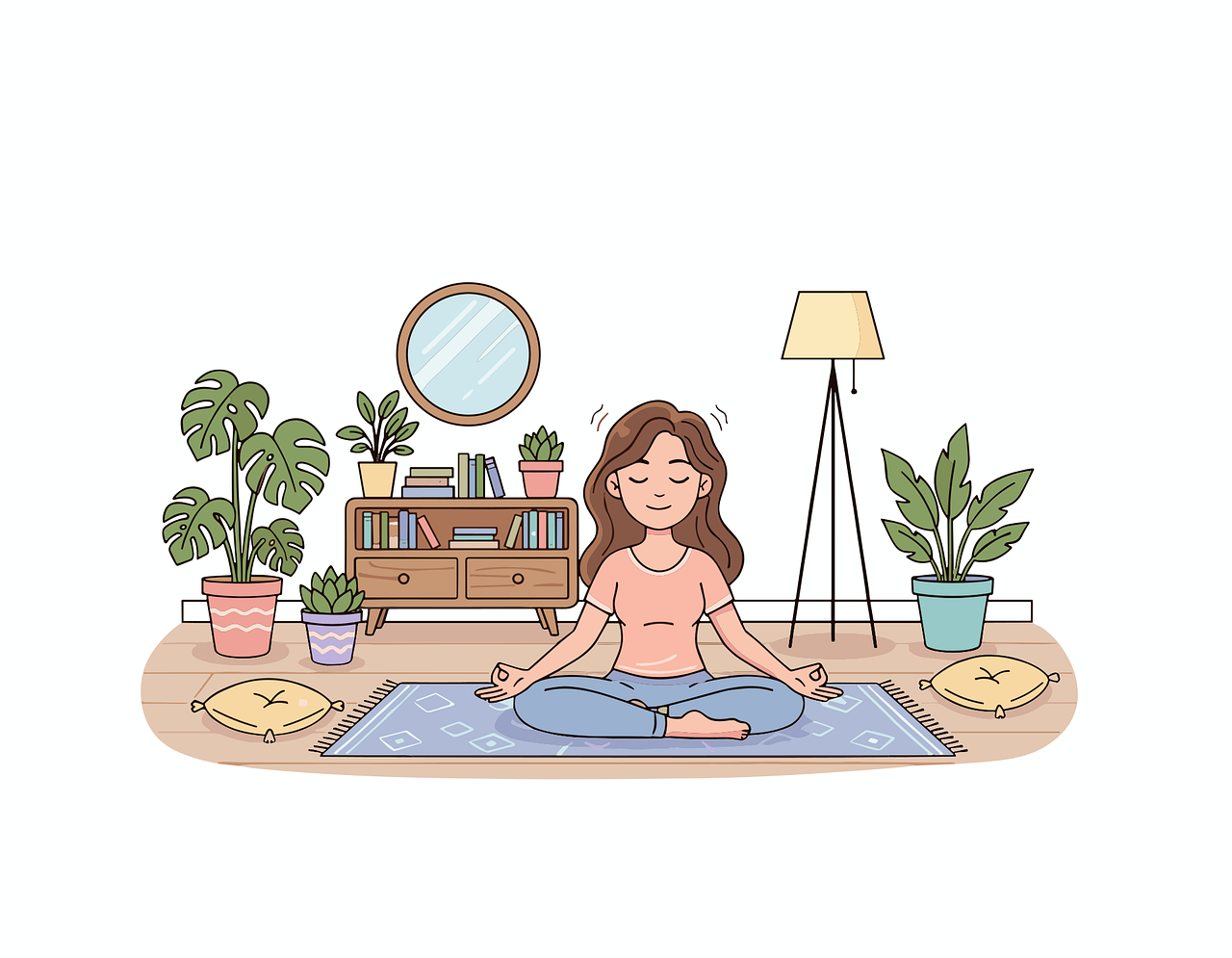
Practicing yoga and Pilates at home can be an enriching experience, yet it requires a safe environment to prevent injuries. First, ensure that the space is free from clutter and obstacles. This means removing furniture, decor, and any items that could pose a tripping hazard while practicing. A designated workout area allows you to focus fully on your practice. Additionally, consider the flooring; ideally, use a supportive and non-slip surface like a yoga mat or a padded exercise mat. This will help provide the grip necessary to perform movements safely and effectively. The lighting in the room also plays a role; adequate lighting contributes to awareness of your surroundings and body positioning, minimizing the risk of falling or straining. Furthermore, keeping a stable temperature is vital. Avoid extremes; a room that is too hot can lead to fatigue and poor muscle control. Thus, air conditioning or opening windows for ventilation can help maintain a comfortable environment, crucial for optimal performance during your practice. Lastly, practicing in silence or listening to calming music can enhance your mental focus and relaxation.
Another key aspect of creating a secure environment is ensuring proper equipment usage. If you incorporate yoga props such as blocks, straps, or bolsters, ensure they are in good condition and positioned correctly. Broken or worn-out equipment may compromise safety, leading to potential injuries. Before starting your practice, take a moment to check your equipment for any damage. If something seems questionable, it’s best to avoid using it until it can be safely replaced. Additionally, familiarize yourself with the specific uses of each prop; using them improperly can also result in strains or other injuries. With Pilates, it is essential to follow the same guidelines, ensuring that any machines or accessories are secure and functioning correctly. If you engage with studio-grade equipment at home, ensure safety locks and features are properly engaged to prevent accidents. If Pilates furniture has adjustable parts, make sure to set them in accordance with your body measurements. Maintaining a focus on safety within your practice goes beyond physical space; being mentally prepared and aware contributes significantly to reducing the likelihood of injury.
Creating a Routine
Establishing a consistent routine plays a significant role in enhancing safety during home practice. Creating a specific schedule can help set aside dedicated time for yoga and Pilates, which improves familiarity with movements over time. By practicing regularly, you will build a deeper understanding of your body’s limits, allowing you to recognize when to push yourself or when to take a step back. Understanding your body’s signals is crucial; not every day will be the same in terms of energy and flexibility. On days when you feel fatigued or stiff, modify your routine accordingly, perhaps focusing on restorative poses or lighter Pilates exercises. Consistently practicing safe movements ultimately leads to increased muscle memory and a stronger foundation. To enhance focus, consider keeping a journal where you can track your progress, noting how certain practices impact your body. This can serve as a useful guide to becoming more mindful of any discomfort or areas of concern. Being such aware participants will lead to safer practices. Remember, quality trumps quantity; excellent execution of poses is safer and more beneficial than rushing through many poses.
To further enhance the safety of your home practice, consider incorporating family members or housemates. Sharing your practice can provide not only motivation but also a layer of safety; they can help ensure that the environment remains hazard-free and that you’re practicing correctly. They can provide a second pair of eyes to ensure that you don’t go beyond your limits. They might also join in to take classes together, adding a social element to your practice. If practicing alone, using video resources can be beneficial. Many platforms offer safety tips or techniques on their yoga and Pilates classes, emphasizing safe movement and alignment. Choose instructors who stress body awareness and safety techniques, especially if you are new to these disciplines. Watching a video tutorial can improve understanding and retention of safety practices during movement, especially for novices learning correct form. Also, consider reaching out to professionals like local instructors if you have questions about specific poses or techniques that concern safety. This investment in quality guidance can lead to safer progress during home practice.
Time Management
Time management is also critical when creating a safe practice environment at home. Setting aside specific periods for your practice without interruptions increases focus and reduces the likelihood of mistakes. Eliminating distractions like phone notifications, television noise, or interruptions from family members is crucial for creating a more immersive environment. Establishing boundaries with others, explaining the importance of those moments, and using simple visual cues to signify practice time can help maintain better focus. For instances where distractions remain unavoidable, consider practicing during quieter times of day, such as early mornings or late evenings. Morning practices can help you start your day grounded and focused, providing mental clarity for the challenges ahead. Evening sessions might serve to relax your thoughts and body after a long day. Setting parameters for how long you dedicate can also significantly benefit efficiency; brief, focused sessions often yield better results and help maintain consistent engagement. Lastly, considering an exclusive area solely for practice allows for heightened concentration and a sense of routine that signals when it is time to exercise your body and mind.
It is also essential to align your mental preparedness with your physical practice, creating a holistic approach. Mental discipline plays a crucial role in preventing injuries. Before beginning your session, take a few moments to center your thoughts through methods like deep breathing. Incorporating mindfulness techniques can significantly enhance your focus and body awareness, reducing the risk of injuries during rigorous sessions. Practicing yoga or Pilates while feeling stressed or distracted can lead to poor decisions, such as attempting poses or transitioning too quickly, which increases injury risk. As you engage in practice, be mindful of how each pose feels, cultivating an awareness of tension or discomfort in your body. Remember that flexibility and adaptability are just as crucial as strength. Thus, allowing your body to guide your practice and recognizing when a particular movement feels wrong often prevents injuries from occurring. This mental attitude also fosters inner peace and enjoyment, making your time spent in self-care more rewarding. Enhancing the connection between body and mind creates a lasting foundation for growth and transformation.
Incorporating Breaks
Incorporating regular breaks into your home practice is another essential strategy for preventing injuries while fostering a long-term engagement with yoga and Pilates. Just like any physical exercise, rest plays a critical role in recovery and performance enhancement. Schedule short breaks during your sessions to hydrate and recalibrate. For instance, at the halfway point, take a few minutes to assess how your body feels; breathing exercises during breaks can also support recovery. Adding restorative poses to your session can mitigate fatigue as well, allowing your body time to recuperate and prepare for additional movement. Consider using these intervals to hydrate or perform gentle stretching to relieve tension. In longer sessions, aim for a more structured approach, allowing 5-15 minutes for recovery every hour. Adapt these breaks based on your body’s signals; adjustments may help when feeling fatigued or experiencing soreness. Moreover, reflecting on your experience and appreciating the progress made contributes positively, further reinforcing your body alignment and mental clarity. Ensuring practice works with your physical and mental needs creates an enjoyable and sustainable experience.
Incorporating Breaks
Incorporating regular breaks into your home practice is another essential strategy for preventing injuries while fostering a long-term engagement with yoga and Pilates. Just like any physical exercise, rest plays a critical role in recovery and performance enhancement. Schedule short breaks during your sessions to hydrate and recalibrate. For instance, at the halfway point, take a few minutes to assess how your body feels; breathing exercises during breaks can also support recovery. Adding restorative poses to your session can mitigate fatigue as well, allowing your body time to recuperate and prepare for additional movement. Consider using these intervals to hydrate or perform gentle stretching to relieve tension. In longer sessions, aim for a more structured approach, allowing 5-15 minutes for recovery every hour. Adapt these breaks based on your body’s signals; adjustments may help when feeling fatigued or experiencing soreness. Moreover, reflecting on your experience and appreciating the progress made contributes positively, further reinforcing your body alignment and mental clarity. Ensuring practice works with your physical and mental needs creates an enjoyable and sustainable experience.