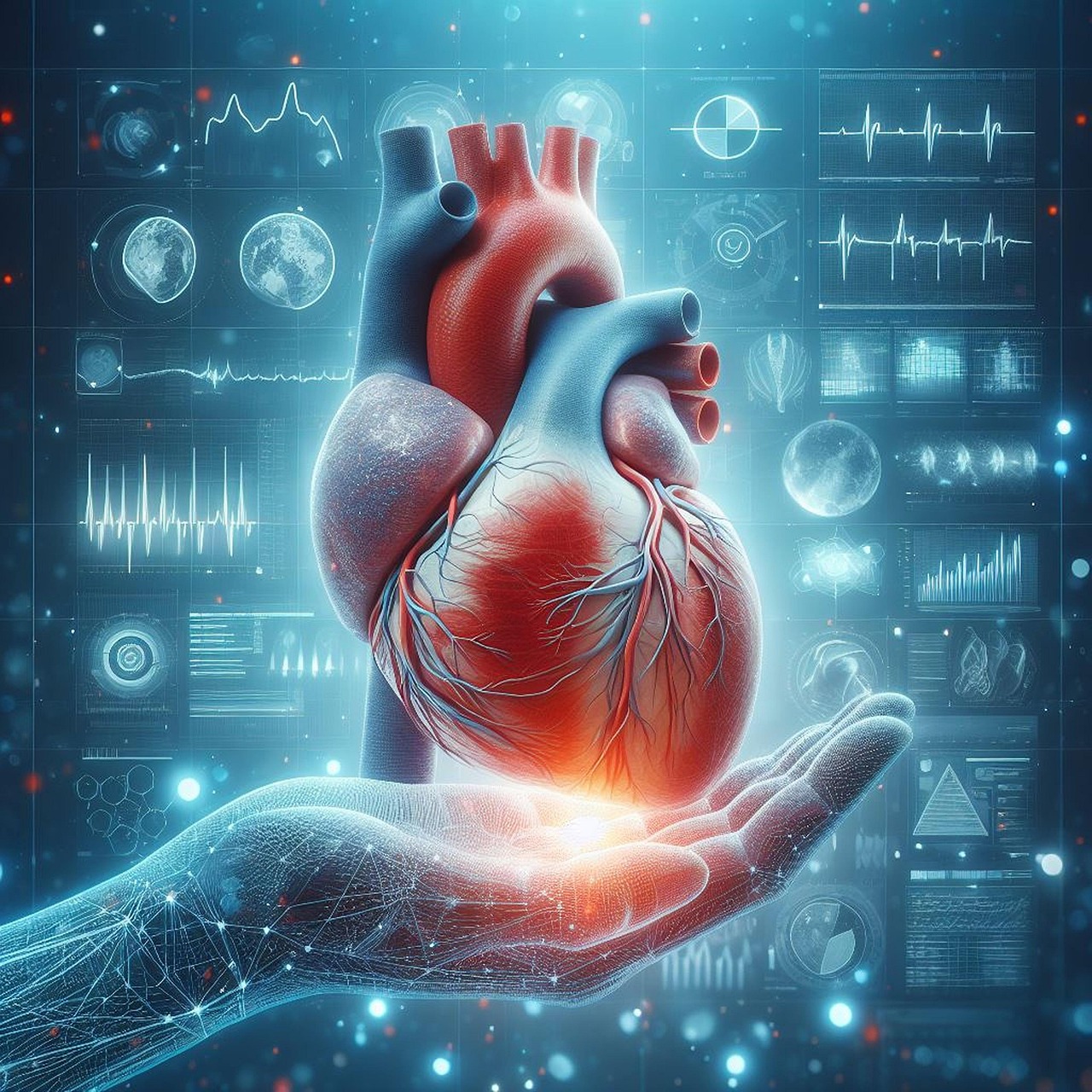

Future Trends in Cardiovascular Rehabilitation: Personalized Medicine and Beyond
Cardiovascular rehabilitation programs are evolving rapidly, incorporating advanced techniques and personalized approaches to enhance recovery outcomes. Personalized medicine holds tremendous promise, tailoring treatments based on individual genetic, environmental, and lifestyle factors. This approach ensures that patients receive the most effective interventions, maximizing their chances of rehabilitation success. The integration of technology is also evident, with mobile health applications enabling continuous monitoring of patient progress. These applications can track vital signs and physical activity, providing real-time data for healthcare providers. Furthermore, wearable devices such as fitness trackers and smartwatches are becoming popular tools. They help patients understand their health metrics better and encourage adherence to rehabilitation protocols. Additionally, tele-rehabilitation has emerged as a viable option, particularly for patients in remote areas or those unable to attend in-person sessions. Communication through video consultations allows healthcare professionals to provide essential guidance while maintaining engagement. As these trends continue to develop, they illustrate the shift towards more patient-centered care, ultimately improving patient adherence and outcomes in cardiovascular rehabilitation.
The Role of Technology in Rehabilitation
Utilizing technology effectively can transform cardiovascular rehabilitation programs significantly. Mobile applications equipped with exercise programs customized to individual capabilities are gaining traction among patients and healthcare providers. These apps often incorporate educational content, enabling patients to understand the importance of lifestyle changes. Virtual reality is another innovative tool, enhancing physical activity engagement while making rehabilitation more enjoyable. It presents exercise in a gaming format, encouraging more consistent participation from patients. Moreover, data analytics tools allow healthcare providers to analyze patient data effectively. By interpreting these insights, professionals can make informed adjustments to rehabilitation plans, ensuring they are conducive to each patient’s unique progress. The integration of artificial intelligence (AI) into rehabilitation programs is also on the horizon. AI can predict potential complications and advise on optimal exercise regimens based on continued evaluation of patient data. This approach cultivates a proactive stance on patient care. Finally, supportive online communities are contributing to rehabilitation journeys by fostering social interaction and encouragement. Overall, technology enables a holistic and proactive approach toward cardiovascular rehabilitation, promoting better health outcomes.
In addition to technological advancements, incorporating behavioral psychology principles can enhance patient adherence to rehabilitation protocols. Understanding behavior change theories, healthcare providers can help patients set achievable goals. Establishing short-term, realistic objectives allows patients to experience early success; it subsequently fosters motivation. Additionally, addressing psychological barriers, such as anxiety and depression, is crucial. By integrating mental health support into rehabilitation programs, patients are more likely to stay committed to their journey. Incorporating mindfulness techniques can aid in stress management, further promoting a sense of control during recovery. Support groups and peer-led initiatives play a significant role, offering encouragement and accountability. Patients can share experiences and challenges, fostering a sense of community, which boosts morale. Another crucial strategy is regular feedback from healthcare providers. Continuous communication and progress assessment create a sense of accountability, ensuring participants remain focused. As providers encourage patients and celebrate milestones, they reinforce positive behaviors. As a result, patients are more likely to remain engaged in rehabilitation programs, ultimately diminishing the risk of future cardiac events. These behavioral strategies, when integrated with technology, create a comprehensive support system.
Emerging research supports the integration of nutrition into cardiovascular rehabilitation programs, recognizing its critical role in overall health. A healthy diet significantly influences cardiovascular health, complementing exercise and rehabilitation strategies. Personalized nutrition plans, developed through genetic and metabolic profiling, can enhance recovery and healthy weight management. Research indicates that specific nutrient intakes may positively influence recovery times post-cardiac events. For example, omega-3 fatty acids have demonstrated cardiovascular protective effects. Additionally, high-fiber diets aid in managing cholesterol levels and maintaining heart health. Incorporating qualified dietitians into rehabilitation teams ensures patients receive accurate dietary guidance and support. Nutrition education integrated within rehabilitation programs promotes informed choices and helps patients establish sustainable eating habits. Weight management programs coupled with exercise interventions empower patients to take charge of their health. This holistic approach leads to improved cardiovascular outcomes, reinforcing the connection between nutrition and rehabilitation success. Moreover, the continuous evaluation of dietary adherence through digital platforms can impact patient engagement levels positively. In conclusion, a well-rounded rehabilitation program addressing exercise, behavior, and nutrition increases the likelihood of long-term health benefits.
Integrative Care Models
Adopting integrative care models is another significant trend in cardiovascular rehabilitation. These models prioritize coordinated care, aligning multidisciplinary teams to address multiple aspects of a patient’s health. By incorporating physicians, dietitians, physical therapists, and mental health professionals, rehabilitation programs can holistically cater to patient needs. Each discipline contributes unique expertise, ensuring comprehensive care for patients. For instance, while physical therapists focus on exercise, dietitians assess nutritional habits, and psychologists address emotional barriers. This cohesive approach facilitates seamless communication between professionals, making patient care more effctive and efficient. Furthermore, patients experience the benefits of receiving well-rounded treatment plans designed to tackle various health dimensions. Collaborative care has demonstrated success in improving health outcomes and reduces the risk of secondary cardiac events significantly. Research has shown that patients under integrative care models experience decreased hospitalization rates and enhanced quality of life. Moreover, implementing shared decision-making fosters patient empowerment, as individuals actively participate in their care processes. When patients feel respected and valued in their treatment plans, they are more committed to adhering to protocols and long-term lifestyle changes.
As the healthcare landscape continues to evolve, addressing disparities in access to cardiovascular rehabilitation remains a priority. Not all patients have equal opportunities to attend traditional rehabilitation programs. Digital technologies like telehealth have the potential to bridge these gaps by providing accessible care options. It’s crucial to implement culturally competent practices within these programs to meet diverse population needs effectively. This approach ensures that all patients receive the attention and care necessary for successful rehabilitation. Providing multilingual resources and outreach efforts focused on underserved communities can promote greater participation. Additionally, developing partnerships with community organizations enhances the accessibility of rehabilitation services. Innovative solutions, such as home-based exercise programs, can help patients recovering from cardiovascular events participate meaningfully. Remote monitoring will enable healthcare professionals to track progress while ensuring interventions remain responsive. Furthermore, eliminating financial barriers through insurance coverage expansion can encourage participation in rehabilitation programs significantly. The emphasis on equitable access to care is not just a social responsibility but also a necessary step toward improving overall public health outcomes.
The future of cardiovascular rehabilitation is undoubtedly linked to ongoing research and innovation. Continuous monitoring of emerging treatments and strategies will be pivotal for improving patient outcomes and overall effectiveness. Various studies are exploring unconventional interventions, such as the role of psychosocial support in recovery. Understanding the mind-body connection can help develop programs that address the emotional aspects of recovery, subsequently enhancing overall healing processes. Moreover, long-term studies exploring the impacts of innovative rehabilitation strategies can identify best practices that can be disseminated on a larger scale. Engaging patients in co-designing rehabilitation programs empowers participants and tailors practices to their realities. Ultimately, fostering collaborations between clinicians, researchers, and industry stakeholders ensures cutting-edge practices become part of mainstream rehabilitation protocols. The focus must remain on patient-centered care, ensuring that rehabilitation programs evolve alongside the needs and expectations of the individuals they aim to serve. As personalized medicine expands, it will undoubtedly redefine cardiovascular rehabilitation, paving the way for tailored, effective, and impactful care strategies that promote enduring health.
Additionally, continuing education for healthcare providers is essential to adapt to these trends. Training programs must emphasize the importance of technology integration, behavioral strategies, and the significance of nutrition in rehabilitation. As evidence-based practices evolve, providers should engage in lifelong learning to stay current on developments. Additionally, fostering collaboration among various disciplines is crucial for developing cohesive rehabilitation programs. Exchanges of knowledge and experiences can enhance the overall quality of care provided to patients. Finally, patient education and empowerment should remain a cornerstone of rehabilitation programs. Ensuring patients understand the rationale behind their care plans promotes adherence and engagement. In conclusion, it is an exciting time for cardiovascular rehabilitation as personalized medicine and technology converge. The potential for improved outcomes has never been more promising, with a strong focus on individual preferences and needs. Personalization, data analytics, and comprehensive support systems are all driving forces in this evolution. Consequently, cardiovascular rehabilitation programs will likely become more effective, supportive, and responsive. The future is bright, ensuring that an increased number of patients can achieve optimal recovery and lead healthier lives. Each of these trends underscores the evolution of cardiovascular care, ultimately enhancing patient well-being.