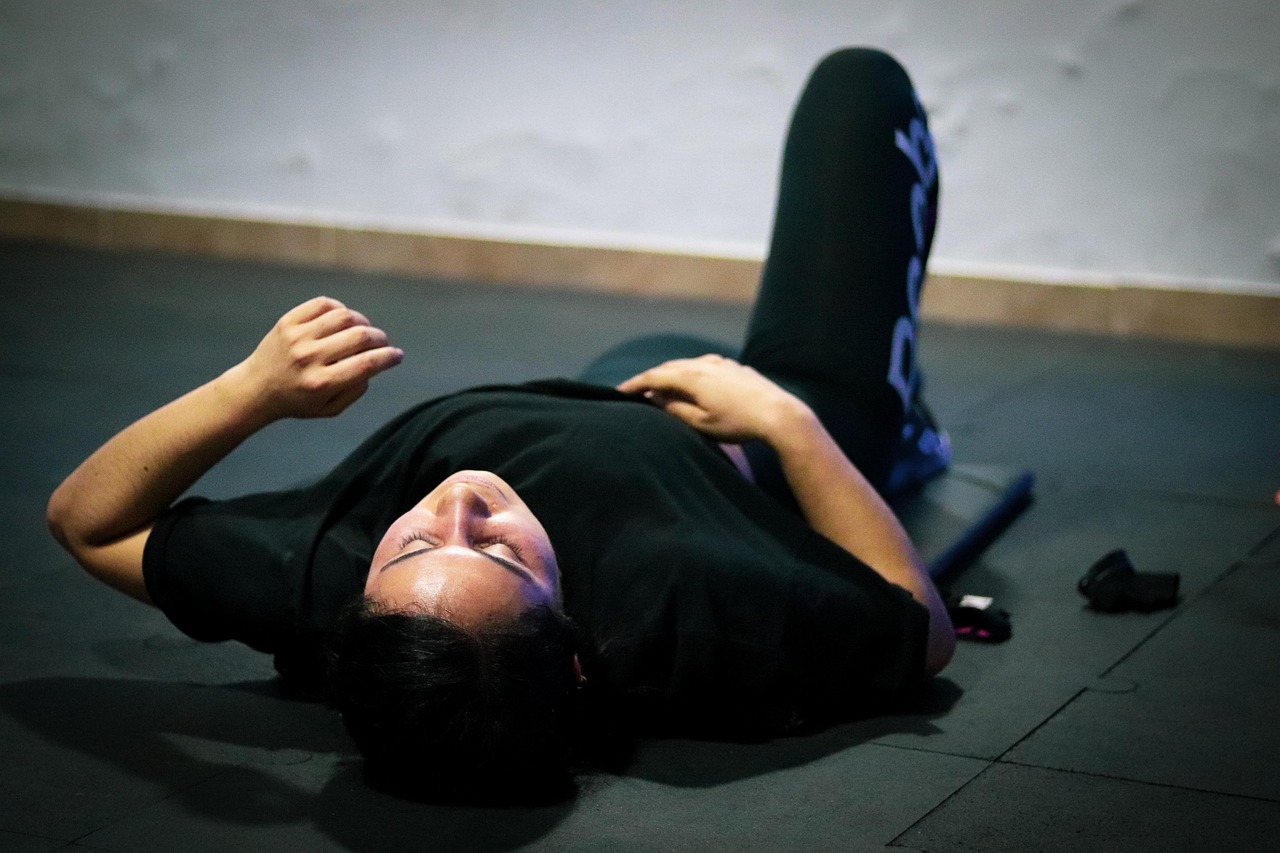

Importance of Rest Days
In CrossFit training, the importance of rest days cannot be overstated. When athletes push their limits, the body undergoes various stressors that necessitate adequate recovery time. Without rest days, muscle fibers do not have the opportunity to repair and strengthen, which can lead to overtraining. Overtraining manifests in various ways, including fatigue, decreased performance, and increased risk of injury. Incorporating at least one to two rest days per week can help athletes recharge both physically and mentally. Effective recovery also involves being mindful of nutrition, hydration, and sleep; each plays an essential role in recovery. Moreover, rest days can lead to improved performance during workouts, allowing athletes to lift heavier weights and improve their overall fitness levels. Adding in passive rest alongside active recovery techniques like yoga or mobility work significantly aids in overall recovery. Ultimately, prioritizing regular rest and recovery is an investment in long-term success, allowing CrossFit athletes to continue pushing their limits while reducing the risk of burnout or injury.
Active recovery plays a vital role in CrossFit training, providing an alternative approach during rest periods. It entails engaging in low-intensity activities that promote blood circulation and aid recovery rather than complete inactivity. This includes activities like light jogging, cycling, or practicing yoga. The benefits of active recovery are manifold; it helps alleviate muscle soreness and improves flexibility and range of motion. Furthermore, it ensures that the body’s metabolic processes remain active, which supports faster recovery from intense workouts. During these active recovery sessions, the focus shifts from heavy lifting to maintaining a routine that enhances general well-being. Active recovery aids in flushing out toxins that could accumulate in the muscles after intense training and can help reduce inflammation. It’s essential, however, for athletes to listen to their bodies and adjust the intensity of their active recovery sessions appropriately. Balancing between rest days and active recovery days enables athletes to train smarter and more effectively, leading to improved performance overall. Consistent engagement can lead to reduced chances of injury while facilitating progressive gains in strength and conditioning.
Benefits of Foam Rolling
Foam rolling is an excellent tool for CrossFit athletes to incorporate into their active recovery routine. It provides several benefits, including myofascial release, which helps alleviate muscle tightness and increases blood flow to specific areas. By using a foam roller, athletes can target specific muscle groups that have been heavily engaged during workouts. This can reduce soreness and stiffness, allowing athletes to move more freely in subsequent sessions. Additionally, foam rolling helps in breaking down knots and improving tissue elasticity, thereby enhancing overall performance. It is highly advisable to dedicate time to foam rolling after high-intensity workouts to prevent injuries and promote faster recovery. Athletes can develop a foam rolling routine that targets their major muscle groups, such as quads, hamstrings, and upper back. Incorporating foam rolling sessions into a weekly training plan promotes mindfulness in recovery, as athletes begin to pay closer attention to how their bodies feel. As they learn more about their sensations during foam rolling, athletes are more likely to adjust their training methods accordingly, ensuring long-term stability.
Stretching is another crucial aspect of recovery for CrossFit athletes. Maintaining flexibility and range of motion can significantly enhance performance and minimize injury risk. Stretching can be categorized into two primary types: static and dynamic. Static stretching involves holding stretches for 15 to 30 seconds, allowing the muscles to lengthen and relax. This technique is best utilized post-workout when the muscles are warm. On the other hand, dynamic stretching incorporates movements that increase heart rate and circulate blood to the muscles, making it suitable for warm-ups. Athletes should prioritize full-body stretching routines that focus on all major muscle groups. Implementing a combination of both static and dynamic stretching can help athletes recover more effectively. Furthermore, it fosters greater overall body awareness, contributing to optimal movement patterns and preventing compensations or misalignments. Moreover, implementing regular stretching sessions contributes to postural alignment, essential for athletes participating in progressive strength training programs. As flexibility improves, athletes will notice gradual enhancements in their CrossFit performance, allowing them to achieve their fitness goals more efficiently.
The Role of Hydration
Hydration is another essential component of recovery in CrossFit training. During rigorous workouts, athletes lose significant amounts of fluid through sweat, which can lead to dehydration if not adequately replenished. Dehydration can cause fatigue, decreased performance, and altered cognitive function, all crucial elements in a demanding sport like CrossFit. Therefore, maintaining hydration before, during, and after workouts ensures that athletes can perform at their best. Water alone may not suffice; it is also essential to replace lost electrolytes, especially during intense training sessions. Including hydrating foods such as fruits, vegetables, and electrolyte-rich beverages can aid in restoring fluid balance. Moreover, monitoring hydration levels can be accomplished through simple indicators, such as checking the color of urine or the feeling of thirst. Athletes are recommended to consume water throughout the day, ideally aiming for at least half of their body weight in ounces. This practice not only combats dehydration but also aids in faster recovery and better performance in subsequent workouts. Understanding the importance of hydration allows CrossFit athletes to optimize their performance while promoting overall health.
Sleep is an often overlooked yet vital recovery tool for anyone, especially CrossFit athletes. Quality sleep allows the body to repair itself, recover from intense workouts, and also supports mental clarity. While training is essential, the efforts put into workouts are negated if recovery, especially sleep, is not prioritized. During sleep, the body releases human growth hormone, which is essential for muscle growth and recovery. Adequate sleep aids in reducing cortisol levels, a stress hormone that can adversely affect performance and recovery. To promote better sleep, athletes should cultivate a bedtime routine that encourages relaxation, such as limiting screen time, practicing mindfulness, or reading. Creating an optimal sleep environment that is dark, cool, and quiet can also enhance the quality of sleep. It is generally recommended for adults to achieve at least seven to nine hours of sleep per night. The relationship between performance and quality sleep is significant and cannot be dismissed. Athletes who prioritize their sleep will notice improvements in endurance, strength, and overall CrossFit performance, paving the way for sustained success.
Conclusion: Balancing Recovery and Training
In summary, balancing recovery days with active recovery techniques is crucial for CrossFit athletes looking to maximize their potential. The importance of scheduling adequate rest cannot be understated, as it directly impacts an athlete’s performance and journey toward their fitness goals. Various tools and techniques such as foam rolling, stretching, hydration, and quality sleep must be implemented into their routines. Understanding that recovery is not merely an afterthought, but a fundamental aspect of training ensures athletes avoid burnout and maintain longevity in their fitness journeys. As they adapt their training programs, athletes are encouraged to tailor their recovery practices to fit their individual needs and responses. Frequent assessments and adjustments to recovery routines enable success. By integrating active recovery methods, such as yoga and light cardio into rest days, athletes can continue to cultivate fitness without overexerting themselves. Ultimately, recognizing that rest is as essential as the daily grind will lead CrossFit enthusiasts to achieve long-lasting results, both physically and mentally, reinforcing optimal health and stronger performances.