
Posture Correction Techniques in Sports Rehabilitation
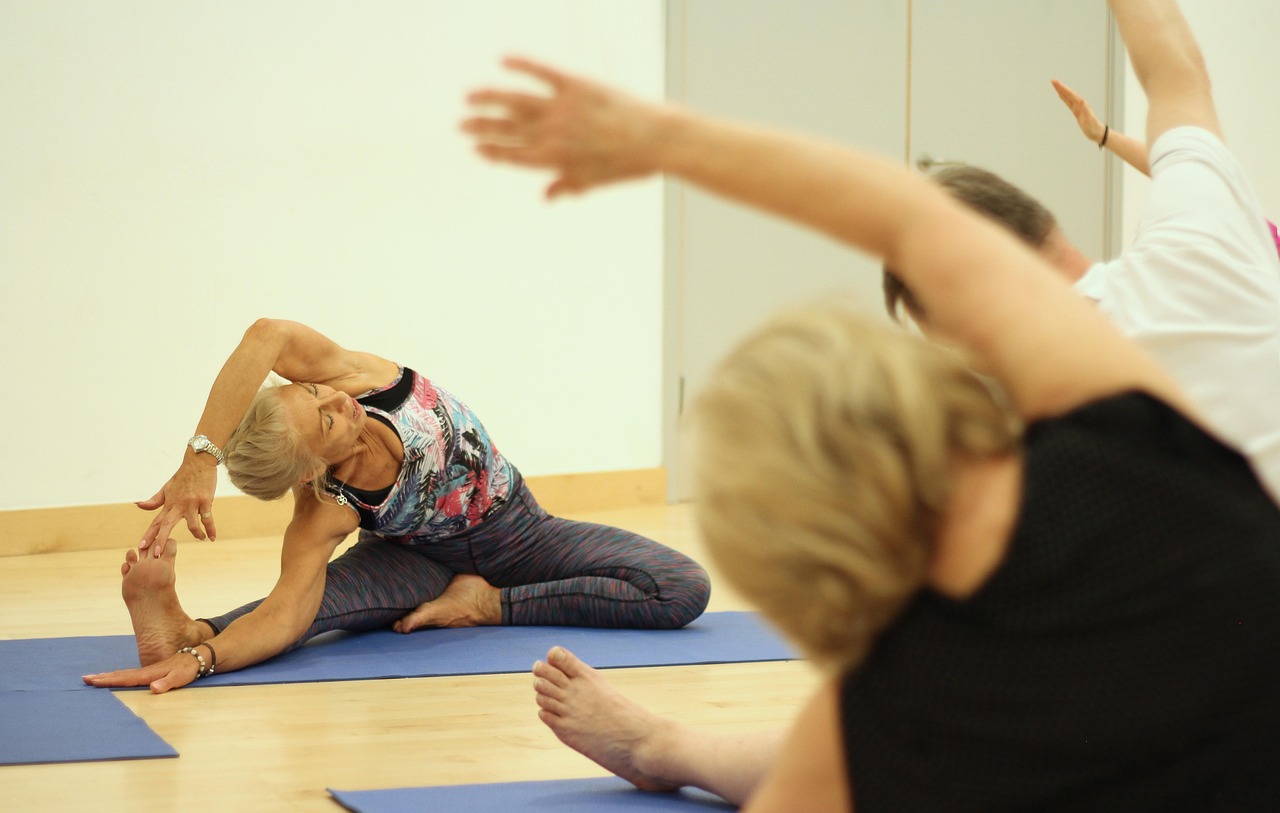
Posture correction is vital in sports rehabilitation, significantly influencing recovery and performance. Athletes often experience musculoskeletal issues due to improper posture during training and competition. Through specific techniques, professionals can address these concerns effectively. Combining education, exercise, and ergonomic adjustments helps in correcting posture. An initial assessment is essential, identifying the key factors contributing to poor posture. Techniques such as body awareness training are also implemented. This provides athletes with a greater understanding of their body alignment throughout activities. Moreover, corrective exercises focusing on strengthening the core musculature are crucial. These exercises improve stability and reduce injury risks. Activities such as pilates and yoga are beneficial in enhancing body awareness and flexibility. Educating athletes on proper ergonomics is another vital strategy; they must be aware of correct postures during everyday activities. Individuals should incorporate conscious posture shifts, especially after prolonged periods of sitting or standing. Regular reminders and cues can establish a consistent habit of maintaining correct posture. Ultimately, the integration of these strategies leads to enhanced athletic performance and reduced injury occurrences. Rehabilitation programs focusing on individualized approaches yield better outcomes for athletes, encouraging a lifelong commitment to optimal posture.
Notably, another essential technique in posture correction is the use of assistive devices. Wearing supportive aids like braces or ergonomic equipment promotes correct alignment, especially during intense activities. These devices help reinforce proper posture, significantly beneficial during the rehabilitation process. Additionally, muscle retraining is a dynamic approach that guides athletes in regaining functional movement patterns. Incorporating exercises targeted at weak or underactive muscles encourages balance in muscle utilization through rehabilitation. Keeping focus on posture during exercises ensures athletes learn to engage the appropriate muscles. Regular progress assessments further enhance effectiveness, allowing for modifications to the program based on the athlete’s recovery. Furthermore, behavioral modifications reinforce the training process, ensuring long-term engagement and adherence to posture correction strategies. Athletes should evaluate their posture continuously throughout daily activities and during training sessions. Motivation plays a crucial role in sustaining these habits; therefore, fostering a positive environment enhances commitment. Social support from team members or coaches strengthens the rehabilitation journey, while also enabling collaborative learning. Lastly, instilling a mindset focused on posture over time leads to enduring benefits in athletic performance, promoting excellent recovery while minimizing injury risks. Thus, correcting posture can transform an athlete’s overall athletic experience positively.
Integrating Technology in Posture Correction
Incorporating technology proves beneficial in the realm of sports rehabilitation and posture correction. Wearable devices like posture sensors provide real-time feedback, allowing athletes to make immediate adjustments. These sensors enable athletes to become more aware of their postural tendencies, facilitating a proactive correction approach. Apps designed for posture tracking also serve as essential tools in promoting consistent awareness of posture throughout the day. These resources enhance self-monitoring capabilities, empowering athletes to take an active role in their rehabilitation. Video analysis technology, alongside performance analysis software, further enriches training protocols. Coaches can analyze an athlete’s posture from various angles, identifying movement abnormalities for personalized corrective strategies. Employing virtual reality (VR) programs also offers an innovative platform for posture training, immersing athletes in simulated environments that encourage proper body alignment. Engaging in dynamic movements within virtual settings can reinforce postural concepts effectively. Moreover, instructional videos specific to posture correction techniques are readily available online, providing additional support for athletes. By utilizing these technological advancements, athletes gain greater insights into their postural habits, enhancing overall rehabilitation outcomes. The fusion of technology with traditional techniques creates a comprehensive approach to posture correction in sports rehabilitation.
It is essential to consider the psychological aspects of posture correction in athletes. Mental attitudes and beliefs significantly influence their willingness to engage in rehabilitation strategies. Athletes must understand that rehabilitation is a process involving patience, discipline, and consistent effort. Emphasizing the importance of self-efficacy fosters a positive outlook toward posture correction. Developing coping strategies can also help manage potential frustrations during rehabilitation periods. Visualization techniques can enhance their capability to envision successful posture adjustments and strengthen motivation. Support from sports psychologists can facilitate mental resilience and foster a healthier mindset throughout the rehabilitation journey. Additionally, group therapy settings or workshops focusing on mindfulness can assist athletes in overcoming the psychological barriers in rehabilitation. This enhances teamwork and camaraderie. An athlete’s posture is often reflective of their self-confidence; thus, positively influencing their body image is crucial. Constant encouragement and celebrating small victories reinforce their commitment to rehabilitation. Furthermore, integrating relaxation techniques into their routines reduces stress levels. Less tension allows for improved posture awareness while sculpting an overall positive rehabilitation experience. The interplay between mental and physical strategies underscores the necessity of addressing both aspects during the process. Rehabilitationists must consider these elements for optimal outcomes.
The Role of Nutrition in Posture and Rehabilitation
Nutrition plays a pivotal role in posture correction and overall rehabilitation in athletes. A balanced diet rich in micronutrients and macronutrients promotes optimal muscle function and recovery. Consuming adequate protein supports muscle repair, while anti-inflammatory foods assist in reducing tissue swelling, promoting smooth recovery. Several micronutrients, including vitamin D and magnesium, contribute to bone health and muscular function. Ensuring sufficient hydration is equally essential as well-hydrated muscles perform effectively and respond better during rehabilitation efforts. Nutritional education can further empower athletes in making informed food choices that enhance their recovery process. A diet rich in omega-3 fatty acids can improve joint health, alleviating stress-related discomfort that may arise during rehabilitation. Furthermore, monitoring body weight and composition helps in assessing overall fitness levels. Support teams can offer tailored nutrition plans that complement rehabilitation strategies seamlessly. The synergy between targeted nutritional strategies and rehabilitation exercises ensures holistic athlete development. Athletes should also be encouraged to explore timing strategies, such as nutrient intake before and after training sessions. Tailored nutrition fosters a supportive environment that equipment can support physical adjustment. Hence, proper nutrition synergistically works alongside physical rehabilitation techniques in sporting programs.
Another emerging trend in rehabilitation involves mindfulness practices, which play a vital role in effective posture correction. Integrating mindfulness exercises helps athletes develop body awareness while enhancing their focus on posture. Mindfulness encourages individuals to connect not only with their physical status but also with their mental processes during rehabilitation. Practices such as meditation and breath control promote relaxation, helping to manage stress that may affect posture and rehabilitation efforts. Fostering a mindful approach allows athletes to learn to make conscious adjustments to their posture in real-time throughout both training and daily activities. Group mindfulness sessions can also strengthen team bonds, fostering mutual support. This collective experience reinforces commitment to rehabilitation efforts, ensuring a more engaging and holistic process. Moreover, athletes can benefit from integrating yoga or tai chi into their routines, as these practices enhance flexibility and balance, benefiting posture. Encouraging individuals to engage in daily mindfulness and breathwork fosters resilience. Consequently, athletes experience a heightened awareness of bodily sensations and alignment. The intersection of mindfulness and posture correction offers a progressive strategy, integrating mental and physical aspects for optimal rehabilitation outcomes. Combining these elements is crucial for achieving sustained benefits in athletic performance.
Customizing Rehabilitation Programs
Customizing rehabilitation programs is critical in addressing unique postural needs for athletes. Individualized plans ensure that each athlete receives personalized attention for their specific postural challenges. A thorough assessment should identify areas of weakness and imbalance; this forms the foundation for tailoring rehabilitation exercises accurately. Collaborating with multidisciplinary teams, including physical therapists and trainers, optimizes rehabilitation approaches. Regular evaluations can track progress and modify programs as required. Moreover, athletes differ in their specific sport-related movements, which should shape rehabilitation protocols. Implementing sport-specific exercises improves the relevance of the assigned tasks and enhances motivation. Individual preferences regarding training intensity and duration also factor into program customization. Engaging athletes in the decision-making process encourages ownership over their rehabilitation journey. This personalized connection fosters accountability while increasing the likelihood of adherence to prescribed rehabilitation strategies. Additionally, providing consistent feedback during rehabilitation strengthens relationships and offers continued motivation. Athletes should experience marked progress throughout their programs, reinforcing their commitment to ongoing improvement. A tailored approach addresses multifaceted challenges, promoting optimal posture correction and rehabilitation outcomes. The collaboration between athletes and rehabilitation professionals leads to favorable transformations not only in posture but also in overall athletic performance.
In conclusion, correcting posture during sports rehabilitation entails a multifaceted strategy, integrating various techniques to achieve optimal results. The synergy of exercise, technology, nutrition, and psychological aspects forms a cohesive approach that enhances rehabilitation success. Continuous education empowers athletes, encouraging them to take charge of their postural health. Moreover, incorporating mindfulness practices fosters a well-rounded perspective on rehabilitation efforts. Setting realistic goals while maintaining flexibility within programs ensures athletes remain engaged throughout the process. Encouraging healthy communication amongst rehabilitation teams improves outcomes effectively. Integrating technology helps to provide athletes with real-time feedback and conscious posture practices. Furthermore, a supportive environment plays an essential role in sustaining motivation during challenging periods. Celebrating milestones within rehabilitation fosters a culture of positivity among athletes. As advancements emerge in the field, professionals can continuously refine rehabilitation techniques with a focus on innovation. The long-term benefits of implementing effective posture correction techniques positively impact athlete performance while minimizing injury risks. Therefore, fostering a holistic approach to posture correction is essential, promoting a culture of health and rehabilitation not only in sports but throughout life.