
Using Mobility Tools to Support Recovery from Sports Injuries
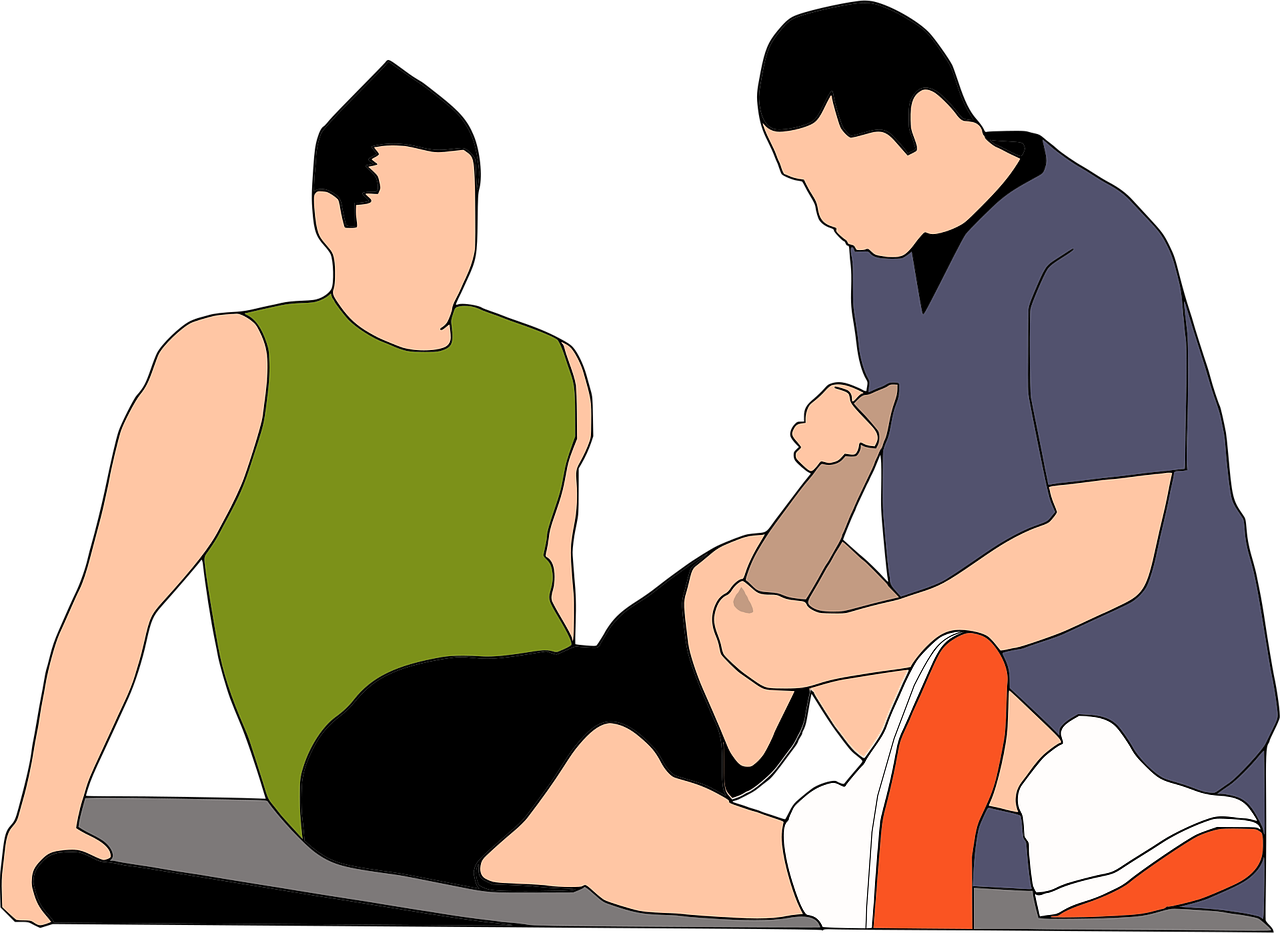
Recovering from sports injuries is a critical aspect of athletic life, and using mobility tools can significantly aid this process. These tools, which include items like foam rollers, resistance bands, and balance boards, help athletes regain their strength, flexibility, and overall mobility. Each tool serves a unique purpose, tailored to specific recovery needs. Foam rollers are often used to relieve muscle tightness and improve blood circulation. Resistance bands are great for strength training without putting extra stress on recovering joints. Balance boards enhance proprioception, crucial for those recovering from ankle or knee injuries. It is important to incorporate these tools as part of a comprehensive rehabilitation program. By working alongside physiotherapists or trainers, athletes can ensure that they are using these tools effectively and safely. The right combination of recovery methods and mobility tools can lead to enhanced performance and reduced risk of future injuries. Always consult an expert for personalized advice, especially when returning to play after an injury. A proactive approach to recovery can pave the way for a stronger comeback in athletes, emphasizing the necessity of these specialized tools in rehabilitation.
Flexibility and mobility are essential aspects of an athlete’s physical condition, affecting performance and injury prevention. Therefore, using mobility tools can be hugely beneficial. Athletes often use dynamic stretching routines, yoga mats, and massage balls to improve their physical state, allowing for greater flexibility. Dynamic stretching involves moving parts of your body and gradually increasing reach, speed, or both. Yoga mats provide a stable surface for various stretches and exercises, promoting better form and balance during rehabilitation. Massage balls can target specific muscle knots, enhancing recovery by improving circulation and decreasing muscle soreness. Maintaining flexibility is crucial to avoid injuries that can sideline athletes for extended periods. Many professional athletes incorporate these routines into their training regimens and rehabilitation processes to remain competitive. Not only do mobility tools help prevent injuries, but they also speed up recovery when injuries do occur. Consequently, this makes them an invaluable asset in any athlete’s toolkit, personalizing recovery methods and adapting them to individual needs. A well-rounded approach combining mobility tools with guidance from professionals ensures successful training and rehabilitation.
Understanding Mobility Tools
Mobility tools simplify the complex recovery process and enhance the performance of athletes across various sports. Components like foam rollers, stretching bands, and mobility balls are excellent for targeting specific muscle groups while ensuring gradual recovery. Foam rollers are particularly efficient in self-myofascial release, alleviating pressure on sore muscles post-training or competition. Additionally, stretching bands assist in rehabilitation by providing resistance, facilitating muscle engagement while supporting easier mobility. Mobility balls are ideal for deep tissue massage and can help break down muscle adhesions. Incorporating these tools into a balanced recovery routine allows for targeted improvement and rehabilitation. Strength after injury is vital; therefore, gradual progression in the use of mobility equipment is essential. Initially, light resistance and gentle rolling motions are recommended, increasing intensity based on comfort levels and recovery goals. It is essential to monitor your response to these tools, adjusting usage as needed. With consistency, athletes can enhance their flexibility while promoting quicker recovery. Ultimately, a customized approach directed by health professionals yields the best outcomes in injury recovery and overall athletic performance.
Research indicates that appropriate mobility tools can greatly reduce recovery times. Recent studies confirm that athletes using foam rollers after workouts experienced less soreness than those who did not. This experience leads to faster recovery cycles which facilitate ongoing training regimes. Equally important, dynamic stretching routines involving bands have shown effectiveness in improving flexibility and range of motion while significantly lowering injury risks. As athletes navigate recovery, monitoring progress with mobility tools should become routine. Documentation of pain levels, flexibility measures, and progress checks will provide necessary feedback for making adjustments. This is especially vital when integrating mobility tools alongside traditional physiotherapy techniques. Both static and dynamic stretches offer differing benefits; selecting the appropriate method based on individual athletic needs will enhance recovery efforts. Holistic recovery strategies will always yield the best results. Practicing consistency in use, aligning it with professional guidance, encourages a sound recovery cycle. As athletes gain strength and mobility through these tools, they become better prepared to return stronger, more resilient, and ready to face the next challenge. Engaging fully with these resources makes a noticeable difference in performance outcomes.
The Importance of Professional Guidance
While mobility tools are highly beneficial, professional guidance is critical for maximizing their potential. Athletic trainers and physiotherapists are pivotal in creating personalized recovery plans and recommending specific tools tailored to individual needs. Their expertise ensures that mobility tools are used effectively to enhance recovery. A key aspect of utilizing these tools is understanding when and how to incorporate them into training and rehabilitation. Athletes may not always recognize the signs of tight muscles or impending injuries, so having an expert guide the process is crucial. Professionals can assess an athlete’s condition, ensuring they maintain proper form and usage of tools, preventing further injury or setbacks. They can also help balance rest and activity, as this is essential for recovery. Structured recovery routines, developed in conjunction with mobility tools, seem more manageable and effective. For instance, an expertly structured flexibility routine, alongside prescribed use of foam rollers and resistance bands, optimizes recovery. Regular assessments and updates from a professional allow athletes to align their recovery with their training, ensuring progress while minimizing risks.
Engaging in proper warm-ups and cooldowns with mobility tools is essential in maintaining overall performance and recovery strategies. Pre workouts, these tools mobilize muscles, enhancing flexibility and preparing the body for physical activity. Post workouts, they enable targeted stretches and release tension accumulated during training. Athletes should prioritize incorporating mobility tools into their routines to transition more effectively between phases of training. A dedicated cooldown, utilizing such tools, facilitates relaxation and recovery of strained muscles, ultimately supporting longevity in sport. Regular use of mobility equipment keeps muscles supple and joints functioning correctly, creating resilience against injuries. This proactive approach facilitates athletes to continue training and competing at higher levels. Adopting a structured cooldown regimen that integrates various mobility tools waxes well for optimal performance and recovery. Consistency in these practices ensures that benefits will accumulate over time, allowing athletes to push their physical limits safely. With the right strategies in place, athletes can achieve their maximum potential, supported by flexibility and mobility tools effectively embedded into their training regimens.
Conclusion
The integration of mobility tools into recovery routines signifies a crucial evolution in sports rehabilitation. Athletes across various disciplines can now better manage their recovery, enhancing flexible systems to allow athletes to overcome injuries and return stronger. Mobility tools not only support recovery but also empower athletes, ensuring their long-term sustainability. The range of mobility tools available makes it easier for athletes to tailor their recovery routines uniquely for their needs, thereby fostering resilience and adaptability. As knowledge about these tools expands, athletes can take a proactive approach in their recovery journey. Working closely with professionals ensures that they maximize the benefits that each tool has to offer. Balancing flexibility and strength is foundational for athletes navigating the rigorous demands of sports. By understanding how to implement these tools effectively, athletes can improve their overall performance while minimizing injury risks. Future trends will likely further emphasize the significance of mobility tools in athletic training, building a culture of cautious yet ambitious progression toward athletic goals. With continued dedication and informed practice, athletes can achieve incredible results in recovery and performance.
This integration is essential for enhancing recovery outcomes and boosting confidence in physical capabilities.