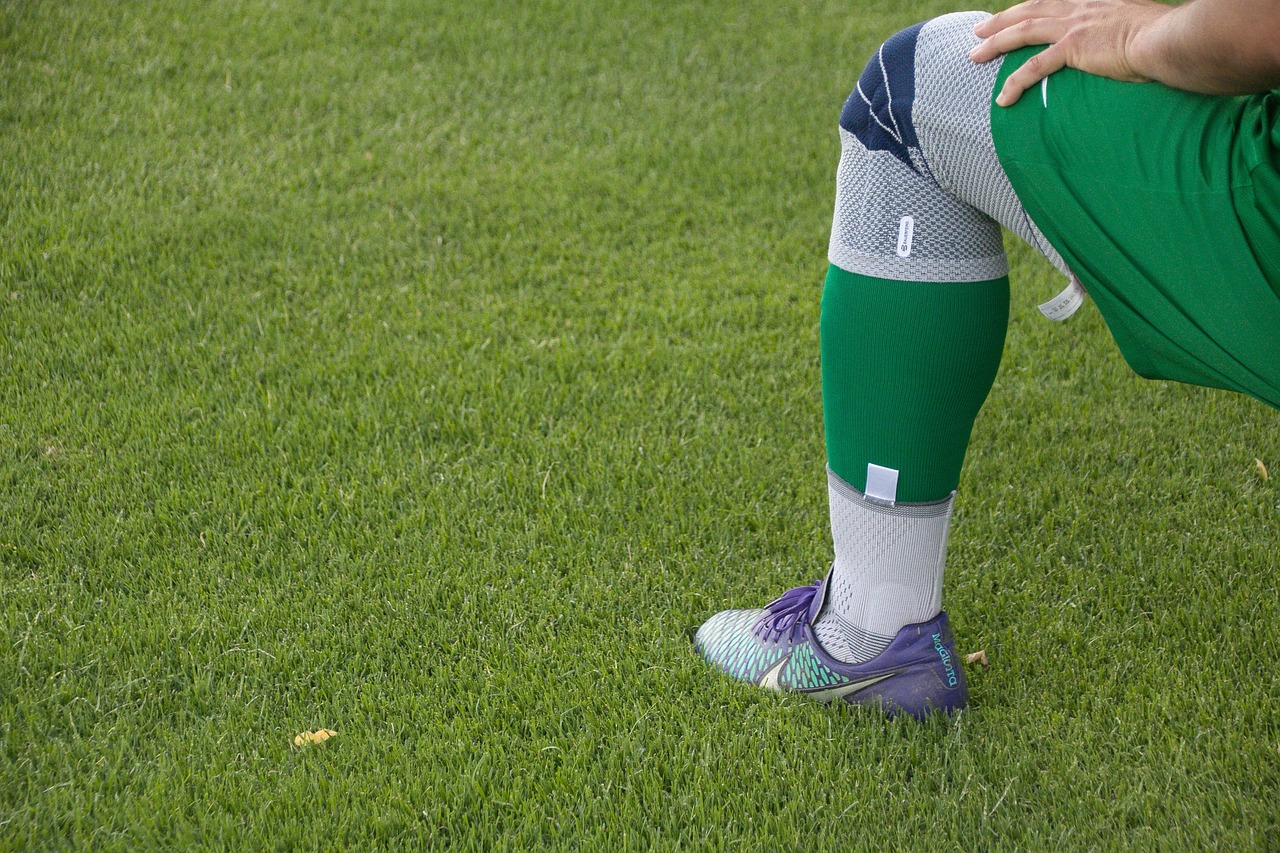

Understanding Injury Biomechanics
Injury biomechanics is a crucial field that focuses on the mechanics of injury processes. It combines knowledge from physics, engineering, and medicine to understand how injuries occur. With this understanding, professionals aim to prevent injuries and improve rehabilitation techniques. Injury biomechanics analyzes factors such as force, motion, and energy transfer during accidents or sports activities. When an individual sustains an injury, studying how mechanical forces impacted the body helps professionals design better protective equipment. Furthermore, this insight aids in creating effective training programs that minimize injury risk. Injury biomechanics also plays a role in legal cases, where understanding the mechanics of an accident is essential for determining liability. In research, biomechanical analyses can suggest improvements in sports techniques, enhancing performance and safety. Awareness of common injuries in various sports helps trainers and athletes to implement targeted prevention strategies. Moreover, advances in technology, such as motion capture systems, allow for detailed analyses of body movements. This data is invaluable for developing protocols that improve athlete safety. Understanding the biomechanics of injury is key to fostering a safer environment for athletes and workers alike.
In the realm of sports, injuries are a significant concern that varies widely across different disciplines and levels of competition. Athletes experience injuries due to various factors, including improper techniques, overuse, and high-impact collisions. Injury biomechanics helps identify mechanisms that lead to these injuries. By understanding these mechanisms, trainers and coaches can create tailored training and rehabilitation plans. For instance, specific warm-up exercises suited to the sport can enhance muscle readiness and reduce injury risk. Strengthening underutilized muscle groups, improving flexibility, and ensuring proper technique are essential. Analyses reveal that certain movements contribute more to the likelihood of injury. For example, sports like football, basketball, and soccer witness frequent knee injuries related to cutting and pivoting movements. Hence, tailored drills can be implemented that focus on stabilizing joints and strengthening surrounding muscles. Additionally, education plays a vital role in injury prevention. Athletes must be aware of their limits and the importance of rest periods. Furthermore, investing in high-quality gear, such as footwear and protective equipment, can make a difference. Injury biomechanics equips coaches and trainers to reduce injuries and enhance performance in athletics.
Role of Technology in Injury Analysis
Technology has profoundly influenced injury biomechanics, enabling more accurate assessments and interventions. Advanced tools, such as high-speed cameras, allow researchers and clinicians to observe motion patterns closely. These tools can record and analyze biomechanics in real-time, providing valuable data. For instance, researchers apply kinetic and kinematic analysis to map forces and movements. Wearable technology, such as sensors and motion trackers, further enhances this analysis. Athletes can wear sensors during practice or competition to monitor body load and movement dynamics. This data highlights potential risk factors for injuries and guides adjustments to technique and training regimens. Furthermore, virtual reality and simulations can recreate various injury scenarios, aiding in research and education. Rehabilitation has also greatly benefited from advanced technologies, such as biofeedback and medical imaging. Physicians can visualize muscle and tissue responses, optimizing treatment plans based on individual biomechanics. Telehealth offers remote consultations, making it easier for athletes to access specialists and receive follow-ups. The integration of technology into injury biomechanics fosters collaboration between disciplines, improving outcomes for athletes. Overall, technology not only enhances injury prevention strategies but also aids rehabilitation and recovery processes.
Injury biomechanics extends beyond sports; it also plays a crucial role in occupational health. Workers in various industries face risks due to mechanical factors leading to injuries. Biomechanical principles guide the assessment of workplace environments, ensuring safety protocols are adhered to. For instance, ergonomic assessments identify workers’ risks related to lifting, repetitive motion, and improper workspace design. Utilizing biomechanics, employers design improved workstations to promote better posture and reduce strain on workers’ bodies. Preventive training can educate employees about injury prevention and the importance of safe practices in their jobs. Analysis of workplace injuries helps refine employer policies and training programs to maintain a safe working environment. Consequently, injuries can result in significant economic costs due to loss of productivity and healthcare expenses. Collaborations between safety engineers and biomechanics specialists consistently evolve workplace safety standards. Organizations that prioritize injury biomechanics in work settings significantly reduce incidents of workplace injuries. Moreover, integrating technology in training and assessment can further mitigate risks. Understanding biomechanics enhances not only athletic performance but employee health and safety. It’s a critical element for fostering well-being across various environments.
Innovations in Protective Equipment
Protective equipment evolves continuously, driven by a deeper understanding of injury biomechanics. Helmets, pads, and shoes are designed based on extensive research emphasizing impact absorption and dispersion. These innovations focus on minimizing the force transmitted during collisions and falls, thereby reducing the risk of severe injuries. Manufacturers collaborate with biomechanical experts to test materials that provide optimal protection while maintaining comfort and mobility. For example, advancements in helmet design address concussive injuries and enhanced fit. Properly fitted helmets actively minimize impact forces, allowing athletes to perform confidently within their sport. Recent innovations also include smart helmets equipped with sensors that can monitor impact severity. This technology can alert coaches and trainers to potential injuries, enhancing player safety. Footwear technology has advanced significantly, incorporating cushioning systems that absorb shock during high-impact sports. It’s also crucial that protective gear remains lightweight and does not hinder performance. With the aid of biomechanics, wearable technology further evolves to allow real-time monitoring during activities. Data from sensors can inform athletes about their performance dynamics, ensuring their training aligns with safety measures. Such innovations demonstrate how injury biomechanics influences protective gear design significantly.
Injury prevention is broadly addressed through education, awareness, and research dedicated to injury biomechanics. Education campaigns focus on the importance of understanding how injuries can occur and what preventive measures can be taken. Athletes must learn about the common injuries associated with their sports, equipment safety, and recognizing the signs of fatigue or improper technique. Awareness initiatives promote healthy practices, including proper warm-ups and cool-downs, hydration, and nutrition to maintain optimal performance. Furthermore, sports organizations, schools, and businesses can participate by offering workshops and seminars on injury biomechanics. Research also plays a crucial role in this narrative, providing insights into injury mechanisms. Ongoing studies help refine approaches to injury prevention, encouraging adaptive training strategies. Consequently, the outcomes contribute to generation of guidelines catered to various sports or occupational settings. Importantly, collaboration between researchers, athletes, coaches, and health professionals amplifies the message of injury prevention. By disseminating this knowledge widely, individuals can make informed decisions regarding their safety in athletics and work. An emphasis on the principles of biomechanics ultimately contributes to a culture prioritizing injury prevention, ensuring a better quality of life and performance.
Future Directions in Injury Biomechanics
Looking ahead, injury biomechanics is poised for exciting advancements that aim to enhance safety and performance. One of the primary areas of growth involves personalized approaches driven by individual biomechanics profiles. Advances in data analytics and machine learning will allow for tailored prevention strategies that consider individual differences in anatomy and movement patterns. For example, bespoke training regimens can be designed following a thorough analysis of each athlete’s kinematics during their sport. Furthermore, future innovations in biomechanical modeling may offer insights into injury predictions, allowing proactive measures to be taken. Continuous advancements in wearable technology will facilitate real-time feedback on biomechanics, empowering athletes to refine their technique instantly. These devices will likely evolve to monitor fatigue and alert users to potential risks. Additionally, increased collaboration between interdisciplinary teams will lead to breakthroughs in injury understanding and prevention. As researchers harness big data from multiple sports, patterns will emerge that point to refined preventive strategies. Overall, the future of injury biomechanics promises enhanced safety measures, fostering longevity in sports participation, occupational environments, and healthier lifestyles for individuals worldwide.
With the growing focus on injury biomechanical research, stakeholders, including athletes, coaches, and health professionals, are starting to unite their efforts toward shared goals. These entities must collaborate to ensure the safety and well-being of athletes across all levels. Coaches and trainers can implement biomechanical assessments to identify potential risks while emphasizing the importance of technique training and performance optimization. Two-way communication among all parties fosters an environment where safety becomes a shared responsibility. Athletes, too, can play a proactive role by engaging in discussions regarding their health, learning how biomechanical analysis can inform their training. Moreover, educational institutions can integrate biomechanical principles into their curriculums, emphasizing the importance of both physical skills and injury prevention. Furthermore, public policy advocacy for sports safety can promote the establishment of safety standards aimed at reducing injury rates. Researchers in biomechanics must also work diligently to translate their findings into practical applications relevant to real-world environments. Overall, the path ahead requires concerted efforts and innovative thinking to proactively address injury risks. By collaboratively emphasizing injury biomechanics, athletes, coaches, health professionals, and policy-makers can ultimately create a safer sporting landscape and environment.