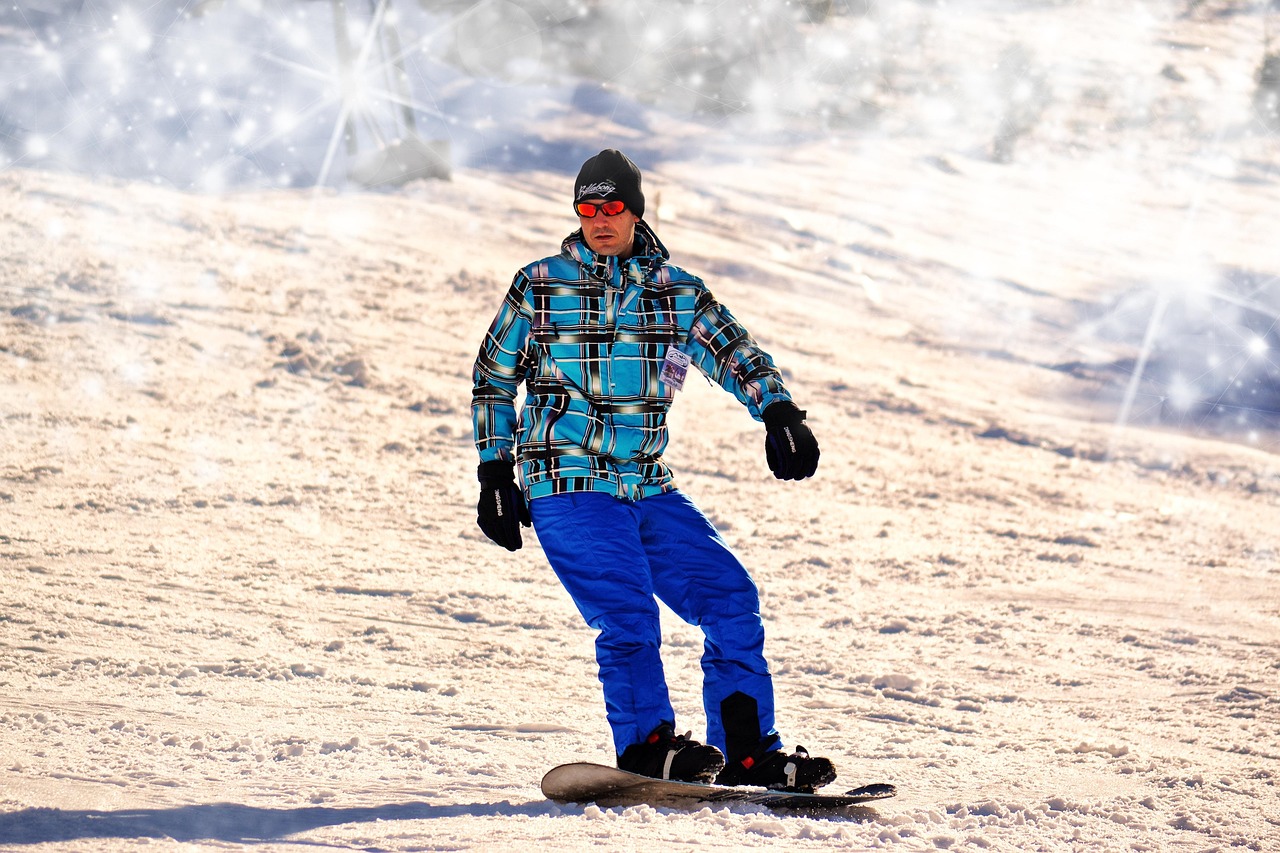

Analyzing the Impact Forces in Snowboard Landings
Snowboarding is a popular winter sport that entails various complex maneuvers. One significant concern in snowboarding is the impact forces experienced during landings. These forces can vary greatly depending on the height and angle of descent, as well as the rider’s technique. Injury prevalence among snowboarders highlights the importance of understanding these forces. A comprehensive approach to analyzing impact forces can significantly reduce the risks associated with injuries. Advanced measurement tools like force plates and accelerometers now provide valuable data regarding impact forces. Researchers conduct studies to better understand how these forces affect the rider’s body. Snowboard landings can involve various techniques, from straight landings to complicated tricks, which all affect force transmission. Riders often perform without adequate understanding of the forces at play. Injuries can result from improper technique, and consistent training, combined with force analysis, may improve performance. By focusing on biomechanics, athletes can refine their skills, reduce injury risks, and enhance their competitive edge. Educating snowboarders about proper landing techniques can lead to improved safety and performance on the slopes.
Being aware of the impact forces can help athletes enhance their skills. When a snowboarder lands, they experience dynamic forces that can lead to injury if not managed properly. These forces stem from gravity, acceleration, and the rider’s speed just before landing. Studies have shown that optimal landing angles can significantly reduce impact forces. Properly executed landings can lower the stress on joints and muscles, improving overall rider health. Some studies utilize a combination of video analysis and force measurement to analyze different landing techniques. An athlete’s body absorbs impact in various ways depending on posture and stance. Additionally, flexing the knees and maintaining a low center of gravity can distribute impact forces more effectively. The materials in snowboards and bindings differ and contribute to how forces are absorbed. Analyzing these factors is essential for both safety and performance. Various training interventions can assist athletes in mastering effective landing techniques. Coaches and trainers can implement practice drills focused on appropriate body mechanics during landings. This emphasis can lead to enhanced performance through minimizing these damaging impact forces.
Biomechanics of Snowboarding
The biomechanics of snowboarding play a crucial role in landing effectively. Each rider’s style can dictate how their body responds to the forces encountered. Understanding these biomechanical principles can provide insight into reducing injuries after high-impact landings. Studies reveal that the position of the snowboard during landing can alter the trajectory and distribution of forces on the body. Riders utilizing a wider stance often experience different forces compared to those with a narrow stance. The shape and flex of the snowboard can also impact how these forces are exerted upon landing. For instance, a snowboard designed for freestyle tricks has distinct mechanics compared to those intended for downhill racing. Moreover, proper ankle flexion is essential for dissipating forces effectively. Correct position during landing can lead to fewer injuries such as sprains and fractures. Learning to manage the forces and alter their techniques accordingly adds a layer of safety for snowboarders. Snowboard education programs focusing on biomechanics can shift riders toward safer practices. Training that promotes conditioning and biomechanics awareness helps with longevity in the sport.
Professional snowboarders often engage with sport scientists to provide insight into their landing techniques. Evidence suggests that tracking the forces experienced during landings could mitigate injury risks comprehensively. Researchers compile data to present an overview of common injuries associated with snowboard landings. This analysis enables them to identify specific trends and patterns related to injuries. Utilizing wearable technology to gather data in real-time can assist riders in monitoring their landing forces. This data-driven approach empowers athletes to make adjustments effectively. Through quantitative analysis, riders can visualize their impact forces, leading to intellectual adjustments. Guides and standards based on empirical data can help coaches establish training programs. Risk factors associated with specific techniques are identified by analyzing the forces at play. Advanced technologies and analytics systems enable feedback for valuable learning. Additionally, creating awareness around commonly sustained injuries can motivate snowboarders to adopt safer practices. Ultimately, analyzing impact forces is part of the larger scope of sports science. Such research produces actionable insights that heighten rider safety and performance through informed decision-making for all levels.
Injury Prevention Strategies
Injury prevention in snowboarding forms a quintessential aspect of athletic training. By focusing on reducing the impact forces during landing, snowboarders can avoid serious injuries. Athletes are encouraged to engage in strength training programs that enhance the muscles used during landings. Training that emphasizes leg strength, core stability, and flexibility has proven beneficial for athletes. Injury prevention programs can incorporate techniques for enhancing body awareness and proprioception. Developing mental skills is equally important for dealing with the high-stress environment of snowboarding. Training that combines physical conditioning and mental strategies builds resilience against injuries. Coaches often recommend visualizing successful landings and executing drills that simulate various landing conditions. Having riders understand how to respond quickly to external forces can increase their effectiveness in managing those forces. It’s also crucial to focus on recovery strategies post-training or competitive events. Adequate rest, nutrition, and cross-training can contribute to maintaining overall performance levels. Additionally, implementing proper gear, including helmets and pads, can protect against minor injuries. Snowboarders who prioritize safety through injury prevention strategies ensure longevity in their sport.
In conclusion, the impact forces in snowboard landings are multifaceted and significantly influence performance and rider safety. The sports science community plays a pivotal role in understanding these dynamics through meticulous analysis and innovative approaches. As snowboarders become more aware of the forces at play during landings, they can develop better techniques. Educational programs providing valuable insights into biomechanics and the effects of forces create safer environments. Moreover, advanced technology such as sensors and data analytics enhances training methods. By employing rigorous training that emphasizes technique, flexibility, and awareness, athletes can optimize their performance. Continuous research into the biomechanics of snowboarding will further enhance understanding and increase rider safety. The knowledge gained from analyzing impact forces ultimately contributes to the development of more effective training and recovery strategies. As snowboarders apply this information, they may find greater success throughout their journeys in the sport. Engaging with the findings of sports scientists helps athletes adapt better to the demands of snowboarding. The ongoing evolution of snowboarding influenced by these analyses presents exciting opportunities for riders of all levels.
Future Directions in Snowboard Research
Future directions in snowboard research will continue to focus vigorously on the impact forces involved in landings. As technology advances, new tools and methodologies will emerge to collect and analyze more refined data. Researchers aim to shift towards a more personalized approach in studying different riding styles. This ensures findings are pertinent to specific demographics within the snowboarding community. Future studies may delve deeper into how seasonal variations can affect snow conditions and, consequently, landing impact forces. Greater emphasis may also be placed on developing databases that collect vast amounts of force data, enhancing analyses significantly. Additionally, collaborative efforts between researchers, coaches, and athletes can yield comprehensive insight into training and recovery. Several institutions now prioritize interdisciplinary studies incorporating neuromuscular dynamics. The goal of future research efforts will be to identify tailored solutions that address unique challenges snowboarders face. As the sport evolves, so should the methodologies used to study it. An increased focus on utilizing data analytics and feedback loops will drive effective improvements in training methods and athlete safety moving forward.
Research on impact forces in snowboard landings will undoubtedly evolve continuously, enabling greater safety and performance in the sport. Through understanding these concepts on a deeper level, riders can adapt their techniques accordingly. The growth of the sport relies heavily on the incorporation of science and technology in training. As researchers uncover new insights, snowboarders will benefit from the elevated knowledge shared throughout the community. Continuous engagement with emerging research fosters a culture of safety and proficiency. Collaborative partnerships within the sports science field will enrich our understanding of the biomechanics involved in snowboarding. There is a great potential for the integration of emerging technologies that monitor the health and performance of athletes across winter sports. Ensuring that riders have access to real-time data can empower them to make educated decisions regarding their performance safely. Ultimately, snowboarding as a sport is on the cusp of breakthrough innovations. The more snowboarders embrace science and technology, the more extensive the potential for advancements in their craft. Engaging with professionals in the sports science community will present enjoyable and safe experiences for snowboarders at all levels.