
CBT-Based Goal Setting for Enhanced Physical and Mental Fitness
The mind-body connection has remained a focal point for many therapeutic practices, especially in approaches like Cognitive Behavioral Therapy (CBT). This method not only addresses mental health but recognizes the intricate ways our thoughts influence physical wellbeing. Setting goals rooted in CBT enables individuals to harness this connection effectively. By aligning mental objectives with physical activities, one can experience holistic growth. Implementing structured goal setting makes it easier to track progress and celebrate achievements. Goals should be specific, measurable, attainable, relevant, and time-bound (SMART). Start with defining clear fitness and mental health targets. Share these with supportive figures within your network, as accountability often fuels commitment. This reciprocal arrangement mirrors CBT principles of behavioral activation, where actions influence mental states. Regularly check in with your goals to ensure they remain relevant and motivating. This dynamic interaction between mind and body is pivotal for achieving enriched life experiences. Consider practices such as mindfulness and meditation alongside goal pursuits, enriching your journey towards both physical and mental resilience.
Understanding the impact of thoughts on physical health is crucial. Cognitive Behavioral Therapy (CBT) emphasizes how negative thought patterns can lead to detrimental physical behaviours. By focusing on modifying these thoughts, individuals can enhance both their mental fitness and physical fitness. Set small, manageable goals that allow for gradual improvement. These incremental adjustments empower individuals to recognize their triumphs without feeling overwhelmed. Engage in activities that reinforce positive self-talk. Journaling or using mobile applications can help track thought patterns and physical activities. Seek to connect with peers who share similar goals, providing support and encouragement. This shared experience can transform the motivation landscape, pushing one to pursue even more aggressive fitness objectives. When faced with setbacks, relate them to cognitive distortions that CBT aims to address. Your perspective on these hurdles is vital; challenges should be viewed as learning opportunities rather than failures. Integrate relaxation techniques into your daily schedule to alleviate stress. Lastly, don’t forget to acknowledge and celebrate even the smallest victories. Remember, your journey involves both mental and physical dimensions, and both deserve attention.
The Role of Structured Goal Setting
Structured goal setting is paramount when utilizing CBT for enhanced fitness journeys. The SMART framework serves as a powerful guideline, ensuring objectives remain realistic. Gaps in understanding often hinder goal progression, making clarification essential. For optimal success, divide larger goals into manageable tasks. This decomposition reduces feelings of being overwhelmed, fostering a sense of accomplishment with each minor success. Identify specific actions that translate into your broader objectives, and construct timelines for these tasks. Daily reflections can reinforce commitment, allowing individuals to adjust their plans as necessary. Regular check-ins help monitor emotional responses throughout the journey. As progress is achieved, adjust your SMART goals to reflect current abilities and aspirations. Be prepared to reassess and readjust goals based on performance and feelings. Evaluate which methods work best by noting recurring thoughts and behaviours linked to both success and failure. Remember to share these reflections with your support community. Engaging others in your journey cultivates resilience and fosters a collaborative environment, helping everyone involved to understand that fitness is not solely a physical pursuit, but a psychological one too.
Another critical aspect is maintaining flexibility in your approach to goal setting. Life is unpredictable, and adapting to changing circumstances is vital for sustained progress. Should unexpected events arise, it’s essential to pivot rather than abandon your goals. A key principle of CBT is recognizing that setbacks don’t equate to failure; rather, they are part of the learning process. Embrace the opportunity to regroup and redefine your strategies. Stay connected with networks that provide motivational support during these times; sharing struggles can offer fresh perspectives on managing adversities. It’s important to understand that every individual’s journey is unique; avoid comparing yourself with others, as this can be detrimental to mental health. Focus solely on personal growth, which fosters a more positive mindset. Incorporate regular self-care practices to recharge mentally and physically. Ground yourself in activities you enjoy and that align with your broader fitness goals. Balancing work and self-care is key to ensuring you remain on track. Utilize the insights gained through CBT to reinforce positive behaviours, helping you navigate your journey with resilience and confidence.
Mindfulness and Its Integration
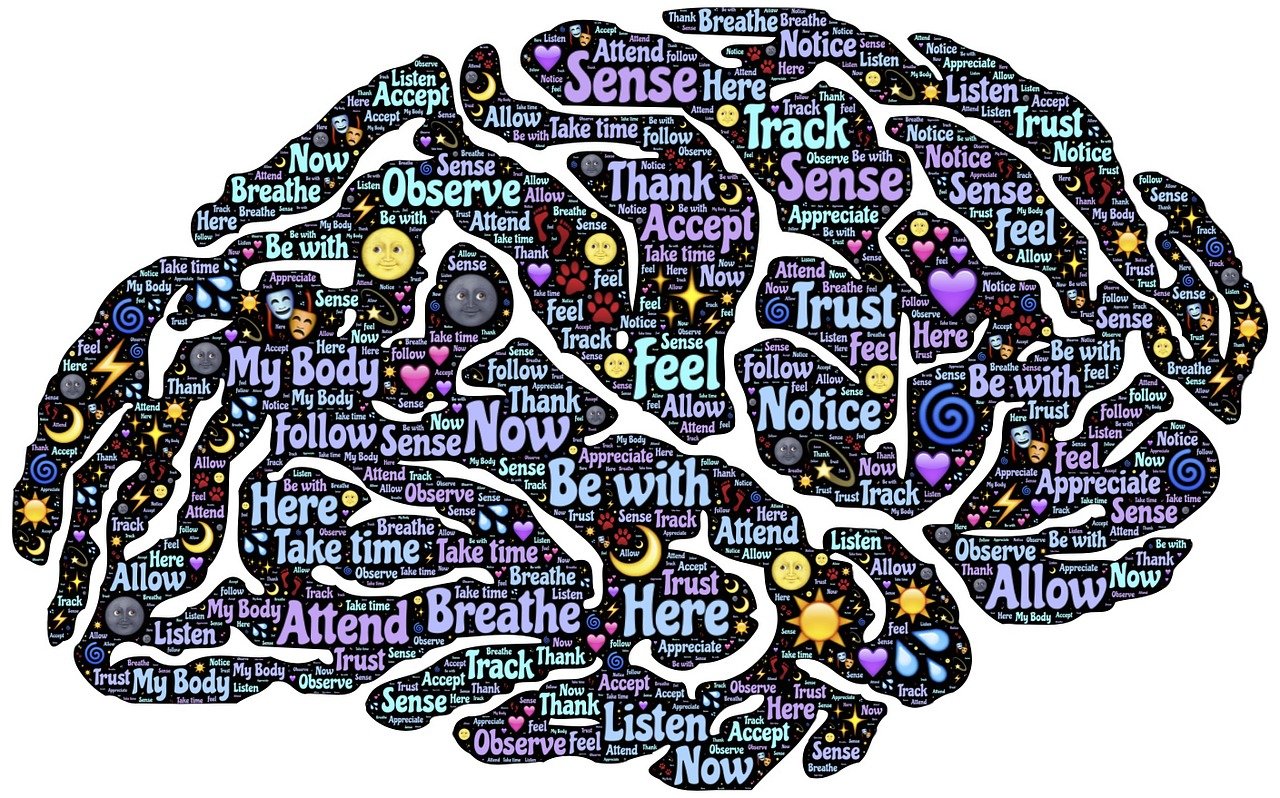
The integration of mindfulness practices into your CBT-based framework can enhance goal achievement significantly. Mindfulness centers your attention on the present, reducing anxiety related to past failures or future uncertainties. This practice can significantly influence motivation levels, fostering an environment conducive to reaching fitness goals. Engage in daily mindfulness exercises that can help distinguish yourself from negative thoughts, creating space for positivity and determination. Guided imagery, meditation, and breathing exercises are effective techniques that can ground your mental presence. Each of these practices helps reconnect the mind with the body, enabling greater awareness of physical sensations during workouts. This heightened awareness can lead to improved physical performance and a deeper appreciation of each fitness endeavor. Acknowledge the sensations you feel when exercising; this connection can transform mundane workouts into meaningful experiences. Additionally, incorporate gratitude practices to appreciate the progress you’re making, however small. Gratitude helps shift focus from struggles to achievements, positively impacting motivation. Consider attending workshops or retreats that focus on mindfulness, which can deepen understanding and commitment to blending mental fitness with physical goals.
As your journey unfolds, track not only physical changes but emotional and cognitive shifts too. Recognizing how your mental state improves alongside physical fitness will solidify the mind-body connection. Regular journaling can help maintain awareness of these shifts, allowing for better understanding of how thoughts influence physical performance. Explore educational resources that center on the concept of mind-body connection, expanding your knowledge base. Books, podcasts, and online courses can provide insights into practical applications of CBT in everyday life. Engage with local fitness communities that value psychological wellbeing alongside physical goals; these connections can enrich your experience. Furthermore, consider professional help if you experience challenges maintaining motivation or focus. Therapists trained in CBT can provide the guidance necessary to overcome hurdles effectively. Maintaining an open dialogue with a therapist can help in reconciling emotional barriers encountered during fitness journeys. Use technology to your advantage by employing apps that assist in goal tracking and mindfulness practices, offering innovative methods to keep you aligned with your aspirations. These collective strategies yield not only enhanced physical and mental fitness but also a profound appreciation for the journey as a whole.
Concluding Thoughts on the Mind-Body Connection
In summation, embracing Cognitive Behavioral Therapy (CBT) as a framework for goal setting provides a comprehensive approach for enhancing both physical and mental wellness. By understanding the interconnected nature of thoughts, feelings, and behaviours, individuals can navigate their paths with greater clarity and intention. Integrating mindfulness practices, establishing structured goals, and embracing flexibility in strategies fosters an environment that nurtures resilience. Always remember the importance of self-care and community support in this journey. Goals can shift, and life can present unexpected challenges, but the commitment to personal growth remains steadfast. Embrace setbacks as part of the process, and allow them to lead to deeper insights and personal transformations. With every achievement—be it substantial or minute—recognize the effort involved and celebrate accordingly. Consider exploring the intersection of physical activities and mental health continuously; it’s a journey worth pursuing. Rely on the support of professionals and peers who can guide you along this path. Ultimately, enhancing the mind-body connection leads to not just improved fitness but a better quality of life overall.
Through an understanding of how thoughts influence emotions and behaviours, one can unlock the potential for profound transformations in life. The consistent interplay between mental and physical practices ensures durability in growth. Realizing that fitness isn’t merely a physical endeavor shifts the narrative and expands possibilities for holistic development. Utilizing guidelines from CBT fosters an actionable mindset replete with intention and purpose. Regular assessments provide insight into how well thoughts align with actions, ensuring that progress is tangible. Ultimately, leaning into this integrated approach opens avenues for richer personal journeys, encapsulating the essence of a fulfilled and empowered life.