
Mindful Eating Habits for Healthier Teens
Understanding the concept of mindful eating is essential for teens seeking healthier lifestyles. Mindful eating emphasizes being present during meals, taking time to appreciate flavors, and recognizing hunger signals. Instead of rushing through meals or consuming food mindlessly while distracted, teens can adopt practices that enhance their connection with food. This can help in not only making healthier choices but also in tackling issues like overeating and emotional eating that often arise during adolescence. Considering the emotional aspects of eating will allow adolescents to form a better relationship with food, realizing that it is fuel for their bodies rather than just a means to cope with emotions. Additionally, implementing mindfulness techniques, such as yoga or meditation, can significantly benefit a teen’s overall approach to eating. These practices foster self-awareness and increase emotional regulation. This awareness leads to thoughtful food choices that contribute to overall well-being. Hence, integrating mindful eating into daily habits can pave the way for healthier teens who make conscious decisions regarding their nutrition and lifestyle. Encouraging open discussions about food and its impact can promote a positive atmosphere around meals among family and friends, strengthening relationships as well.
Mindful eating begins with awareness, and a great way to develop this skill is through simple practices. Encourage teens to pause before every meal and take a deep breath. This pause allows the mind to settle and prepares the body for nourishment. Developing an appreciation for food starts with exploring diverse cuisines and flavors. Introducing various nutritious foods can instill curiosity and excitement about eating. Over time, teens can practice gratitude for their meals, becoming aware of where their food comes from and the effort involved in its preparation. Involving them in meal planning and cooking strengthens this connection. Helping them understand portion sizes and the importance of eating according to genuine hunger can prevent overeating and contribute to better health. Mindful eating is not solely about health; it’s also about enjoying the sensory experiences that come with eating. Savoring food by eating slowly and paying attention to taste, texture, and aroma can enhance their meals. These practices reinforce the importance of balance, teaching teens that all foods can fit into their lives as long as they approach it mindfully and with respect.
The Role of Emotions in Eating
Teens often navigate complex emotions that can heavily influence their eating habits. Understanding emotional eating is crucial for fostering healthier relationships with food. Emotional triggers can lead to overeating or the desire to eat when not physically hungry. By recognizing these triggers, one can work towards healthier coping mechanisms. Encourage teens to journal their emotions alongside their food intake, identifying patterns. This exercise promotes awareness of emotional versus physical hunger. Validating feelings is also important, reminding teens that it’s perfectly okay to feel sad, stressed, or overwhelmed. Coping through food is a common habit but should be transformed into healthier alternatives. Discussing emotions openly can facilitate understanding while emphasizing that eating isn’t a solution. Encouraging teens to engage in hobbies or sports can serve as a distraction from emotional eating. Exercise has the additional benefit of improving mood and reducing stress, making it a healthier coping mechanism anytime they face challenges. Having supportive conversations can bridge the gap between emotional awareness and mindful eating, so teens feel empowered to seek healthier outlets for their emotions.
Encouragement from peers and family can create a positive environment around mindful eating practices. Setting goals as a family to prepare and enjoy healthy meals together fosters team spirit and accountability. Teens are more likely to embrace changes if they feel supported and engaged in the process. Sharing recipes amongst friends or starting a cooking club can motivate them to explore healthier ingredients while creating lasting memories. Introducing weekly meal prep sessions can help in reinforcing mindful eating habits. Making it a fun and interactive experience encourages participation while building essential cooking skills. Additionally, discussing the nutritional value of ingredients can instill a sense of responsibility when choosing foods. When teens understand the impact of food on their bodies, they make better decisions. Having open discussions about body image and societal pressures can also alleviate potential issues with self-esteem. Presenting the idea of fitness aligned with body positivity encourages a holistic view of health. Helping them embrace who they are allows them to make choices based on happiness and self-love rather than external judgment.
The Importance of Balanced Nutrition
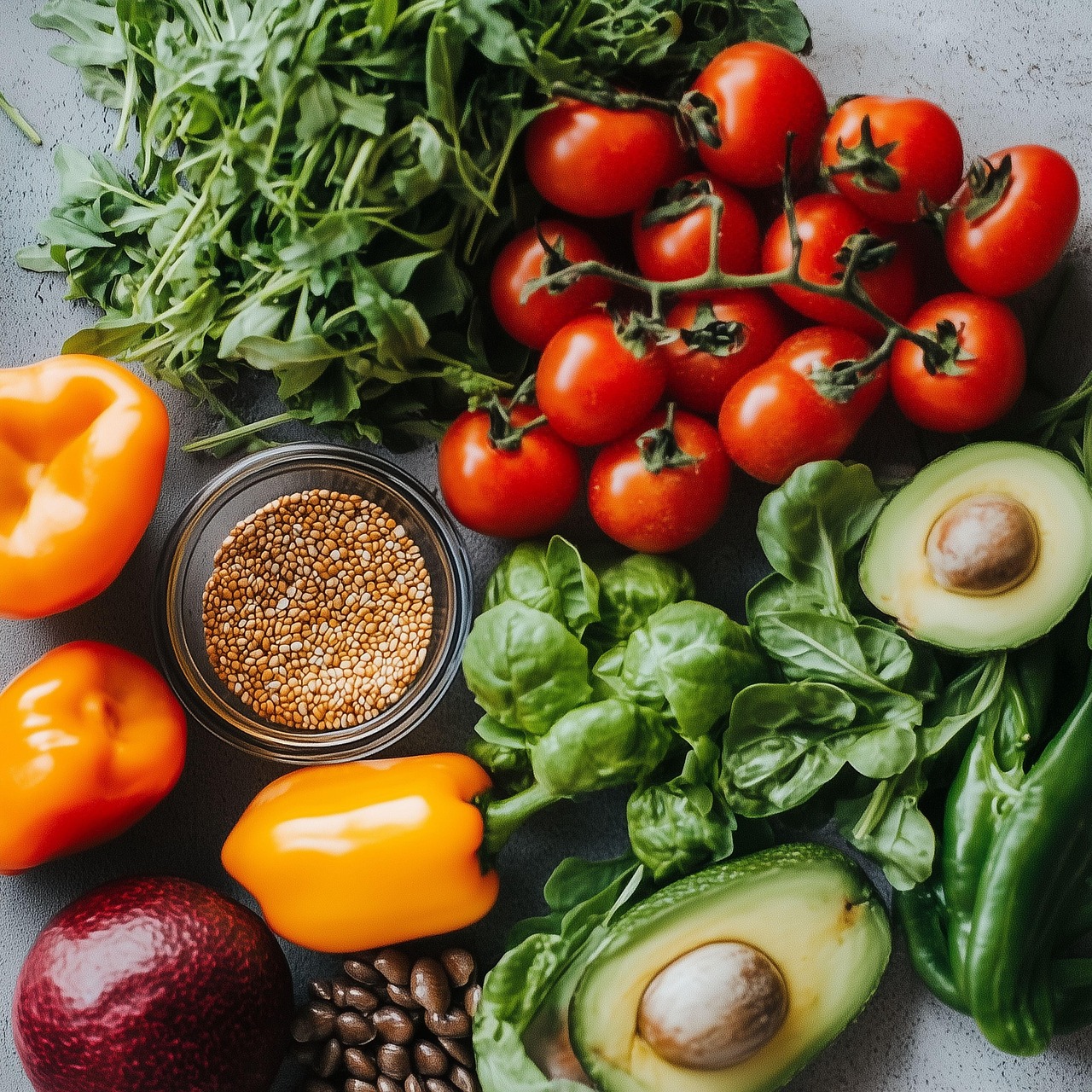
Balanced nutrition plays a vital role in the overall development of teens. They must be equipped with knowledge regarding macronutrients and micronutrients. Discussing the components of a balanced diet can empower them to make informed choices. Awareness of proteins, carbohydrates, healthy fats, vitamins, and minerals creates a foundation for lifelong healthy habits. Including a variety of colorful fruits and vegetables in their meals ensures essential nutrients are consumed. Teens should be taught how to read food labels and the significance of different ingredients present in packaged foods. This knowledge can also contribute to mindful choices as they begin to identify what is beneficial for their wellbeing. Making healthy options available at home can further encourage mindful eating. Rather than seeing healthy eating as a restriction, introducing it as an exploration can foster a more positive relationship with food. Encouraging teens to sample new foods rather than avoiding them can nurture openness in their eating habits. Sharing family meals where everyone chooses what to serve can also support collective efforts toward balanced eating.
Another crucial aspect to discuss is hydration and its role in mindful eating. Often overlooked, water plays an essential role in maintaining energy levels and supporting bodily functions. Encouraging teens to drink water throughout the day reinforces healthy habits. Having a reusable water bottle on hand can remind them to hydrate continuously. Teens should also recognize the signs of dehydration and the symptoms that may arise from it. As a part of mindful eating, fostering an understanding of thirst can help distinguish between hunger and hydration needs. Additionally, instead of reaching for sugary sodas, encouraging flavored waters or herbal teas can provide taste variety without excess sugars or calories. Hydration can also positively influence mood and cognitive functions, directly affecting their ability to concentrate in school. By establishing these habits early, they can carry these practices into adulthood. Making hydration fun by turning it into an activity can also support consistency. Teens can even challenge each other to drink enough water daily, making it collective and competitive. This creates a culture where hydration is seen as a vital part of health.
Practicing Mindful Eating Together
No discussion on mindful eating for teens is complete without emphasizing the value of practicing these techniques together. Family meals present the perfect opportunity to reinforce lessons on eating mindfully. Using this time to engage in meaningful conversations can help teens feel secure while learning about nutrition. When families practice mindfulness together, it strengthens their relationships and promotes openness regarding emotions and eating habits. Teens feel a sense of belonging when their parents prioritize healthy eating and the family’s wellbeing. Implementing mindful eating practices can include setting clear meal times, eliminating distractions such as phones or television during meals, and being present. Encourage them to share the flavors they experience and what they appreciate about the meal. This can lead to deeper connections and enhance their awareness of what they’re consuming. You can set challenges such as trying a new fruit or vegetable during each meal together, making it an exciting adventure. This practice teaches teamwork, accountability, and mindfulness. Over time, these experiences will create a foundation for healthy eating habits that last long into adulthood.
Finally, mindfulness and self-compassion must be part of the conversation surrounding teens and food. Often, harsh self-criticism creeps into discussions about eating habits, leading to unhealthy relationships with food. Building self-compassion allows teens to accept themselves, including their food choices. It’s vital to emphasize that it’s okay to have indulgent treats as part of a balanced lifestyle. Encouraging a non-judgmental approach to eating fosters understanding that food isn’t inherently good or bad but is about making informed choices. Teaching teens to appreciate their bodies for what they can do rather than how they appear is essential. Mindfulness exercises, such as guided meditations that focus on appreciation for one’s body, enhance their relationship with self. Learning to observe thoughts and feelings about food without judgement can allow them to grow as individuals. These skills pave the way for resilience and improved emotional health, helping them navigate future challenges successfully. By nurturing a blend of mindfulness and self-compassion, teens can emerge empowered in their eating habits, leading to healthier lives and positive body images as they transition into adulthood.