
The Use of Drones for Performance Analysis in Fitness Competitions
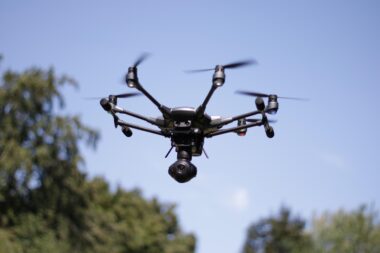
In recent years, the landscape of fitness competitions has evolved dramatically, fueled by advancements in technology. One of the most intriguing innovations is the integration of drones for performance analysis. Drones are not just flying gadgets; they have transformed the way athletes train and compete. These unmanned aerial vehicles offer real-time data collection that is crucial for athletes aiming to fine-tune their performance. By utilizing drones, coaches can gain an aerial perspective of their athletes’ movements, which is invaluable for understanding their techniques and strategies. Furthermore, the ability to record high-definition videos allows for thorough post-event analysis. This analysis not only helps in correcting form but also aids in enhancing overall safety by identifying risk factors that may lead to injury. As the competitive nature of fitness events continues to escalate, the adoption of drone technology signifies a shift towards more sophisticated training methods. Consequently, both amateur and professional athletes stand to benefit immensely from this technology, always pushing the limits of what is physically possible. Overall, the use of drones is a game changer for performance analysis in fitness competitions.
As we delve deeper into the benefits of drone technology, it’s essential to explore how it impacts training regimens. With drones, athletes can receive feedback almost instantly, allowing for immediate adjustments. This capability leads to enhanced learning opportunities for competitors. When an athlete can observe their movements from a bird’s eye view, they often notice flaws in form or posture that they might otherwise miss. Using data analytics collected through drone footage, coaches can identify areas of improvement more effectively. This leads to structured training plans tailored for each individual’s unique needs. The result is an optimization of performance that enhances competitive edge. Moreover, the convenience of drones allows for training in various environments, whether indoors or outdoors. This versatility makes it easier to adapt training programs based on specific conditions. For example, athletes can practice for competitions that take place in challenging weather conditions, preparing them thoroughly. Consequently, integrating drone technology into fitness training is not merely a trend; it represents a long-term evolution in how athletes train and prepare. It is clear that technology is significantly reshaping the athletic landscape.
The Role of Drones in Competition Settings
When it comes to fitness competitions, drones take performance analysis a step further. During actual events, drones can operate overhead, providing a comprehensive view of the competition unfolding below. This perspective aids referees and coaches in making quicker, more informed decisions about competitors’ performances. By utilizing drones for live analysis, officials can assess real-time data, which ensures that every athlete is competing fairly and adhering to competition guidelines. Additionally, drones capture high-quality footage that contributes to broadcasting events more engagingly. With the addition of aerial shots, viewers at home gain insight into the athletes’ techniques while feeling a part of the action. This not only enhances the viewing experience but also draws more attention to fitness competitions, increasing their popularity. As more spectators become engaged, sponsorship opportunities can arise, increasing monetary support for the athletes and events themselves. The combination of immediate feedback and stunning visuals makes drone technology invaluable in competitive scenarios. Thus, their role in competitions signifies a potential for growth and innovation in fitness sports.
In the context of data privacy and ethical considerations, implementing drone technology introduces some challenges as well. One concern revolves around the collection and storage of video analytics. Athletes may be apprehensive about their performances being recorded and analyzed without their consent. To mitigate these privacy concerns, it is essential for organizations to establish clear guidelines regarding data use. By ensuring that all athletes are informed and give consent, fitness organizations can maintain trust while leveraging the benefits of drone technology. Additionally, competitions should also prioritize the security of stored data, safeguarding against potential leaks that could affect athletes’ reputations. On the ethical front, it’s critical to ensure that drones do not interfere with competition. This requires appropriate training for drone operators and careful planning to ensure minimal disruption. Striking a balance between utilizing appreciated advantages of drone technology while respecting athletes’ rights can foster a productive environment for everyone involved. Doing so will undoubtedly help in paving the way for broader acceptance of drones within athletic frameworks. As regulations improve, the future of drones in fitness competitions looks incredibly promising.
Future Prospects of Drone Technology in Fitness
Looking towards the future, the prospects for drone technology in fitness competitions appear bright. As technology advances, drones will become increasingly sophisticated, integrating with other emerging technologies such as artificial intelligence and machine learning. This integration allows for deeper insights into athletic performance, offering predictive analytics to forecast an athlete’s potential achievements long before they compete. For instance, by analyzing a vast amount of data, machine learning algorithms can suggest optimized training plans to improve performance outcomes. Meanwhile, the combination of enhanced drone capabilities with software innovations will help athletes engage in more data-driven training processes. Furthermore, as drone costs continue to decrease, more fitness organizations and individual trainers can adopt this technology, democratizing access across various competitive levels. This expanded accessibility has the potential to revolutionize how athletes train and compete, making advanced performance analysis available to all. With these advancements on the horizon, the fitness industry faces an exciting transformation, where the fusion of technology and human capability unlocks new possibilities. Therefore, keeping an eagle eye on drone developments will be vital for those invested in the future of fitness competitions.
Moreover, one cannot underestimate the role of education in facilitating the effective use of drones in fitness competitions. To maximize the benefits of this technology, coaches need to familiarize themselves with drone operation and data analytics. Workshops and training programs can help equip coaches and athletes with the skills necessary to extract valuable insights from drone footage. Furthermore, collaborative efforts amongst tech companies, fitness organizations, and educational institutions could foster innovation, ensuring that athletes are prepared to use drones effectively. Competitions can develop partnerships with drone technology companies, bringing state-of-the-art equipment to events while simultaneously providing educational workshops. This strategy promotes a two-fold benefit: athletes gain hands-on experience using drone technology, while companies expand their outreach and influence in the athletic community. By pooling resources and knowledge, the entire fitness competition industry can thrive as they embrace the increasing prevalence of technology. Thus, education serves as the backbone to the successful integration of drones, shaping the future of performance analysis. Conclusively, the collaboration between tech and sports education will lead to enhanced competition experiences for all involved.
A Final Thought on Drones in Fitness
In summation, the use of drones for performance analysis in fitness competitions marks a significant step forward. By employing aerial technology in training and competitions, athletes gain unparalleled insights into their capabilities. Drones foster an environment conducive to improvement by providing immediate feedback and allowing for adjustments in technique. As technology evolves, the future promises even more seamless integration of drones into fitness practices, enhancing the way athletes prepare and compete. However, the key lies in addressing concerns about ethics and data privacy to maintain a respectful approach toward all participants. Moreover, ensuring that athletes and coaches have access to necessary education regarding drone operation will solidify their place in fitness competitions. With the possibility of integrating additional technologies, such as AI, the benefits of using drones will only continue to expand. Fitness organizations that embrace this technology may find themselves at the forefront of innovation in training and competitions. Ultimately, as the fitness landscape transforms, the adoption of drones highlights the incredible potential for improving athletic performance while ensuring an engaging and entertaining experience for all stakeholders.
In summary, the way we analyze performances within the fitness arena is undergoing profound changes. As drones continue to revolutionize analytics and improve training methodologies, their influence will be felt across various sectors of sports. This is an exciting time for both athletes and fans, as we witness the merging of fitness and technology lead to unparalleled advancements. Furthermore, collective efforts in terms of education and standardized policies towards drone usage will ensure that their implementation is seamless and advantageous. Ultimately, the incorporation of drones in fitness competitions signifies a future where athlete performance can reach new heights while elevating the entire competitive experience for both participants and audiences alike. Thus, we stand on the cusp of a transformative era in fitness, one that promises to redefine how competitions are conducted and how athletes perform.