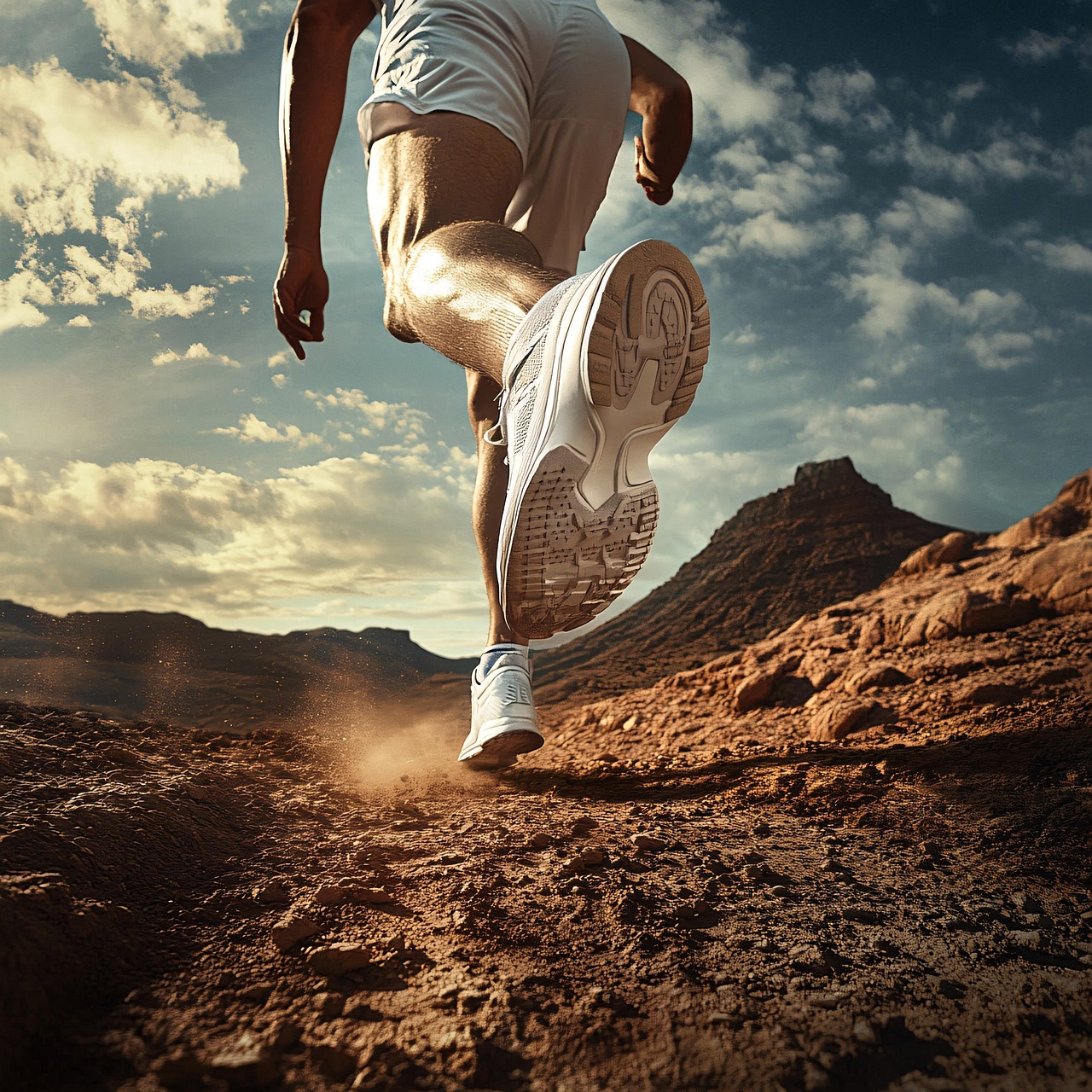

Top Rated Trail Running Shoes for Rough Terrain
Trail running shoes are an essential component for enthusiasts who tackle rugged landscapes. These shoes offer unique features designed for specific needs such as durability, traction, and support. Factors to consider include fit, cushioning, and weather resistance. Many runners overlook the importance of a versatile shoe when dealing with diverse terrains. In this guide, we will navigate through essential features of top-rated trail running shoes. By understanding the technical specifications, you can make an informed decision to enhance your running experience. Each brand offers a variety of models focused on different aspects of performance. Whether you’re a beginner or an experienced runner, choosing the right footwear is critical. A well-fitted shoe prevents injuries and enhances performance on trails. We’ll also compare popular models and highlight user reviews to provide a balanced perspective. As you dive into our analysis, you’ll be equipped with insights to help you select the best trail running shoe for your adventures. With the right footwear, you can confidently explore nature’s beauty without compromising comfort and safety. Get ready to embrace the trails like never before!
When looking for trail running shoes, the right fit is crucial. Shoes that are too tight may cause discomfort, while those that are too loose can lead to blisters. Many brands provide different widths to cater to various foot shapes. Always consider the size adjustments based on the type of socks you plan to wear. An ample toe box is essential, particularly for downhill runs. Look for models with a snug heel cup to prevent your foot from sliding during activities. The upper material should be breathable yet durable enough to withstand harsh environments. Selecting shoes with adequate rock plate protection enhances comfort over rocky paths. A good grip is indispensable when navigating slippery, uneven surfaces. Most quality trail running shoes use aggressive tread patterns to ensure maximum traction. However, not all treads are the same—some are tailored for soft soil, while others excel on hard-packed trails. Finding the perfect balance between traction and cushioning is essential for performance and safety, especially on technical terrains. Equipping yourself with knowledge on fit and design will significantly elevate your trail running experience.
Top Brands to Consider
Several brands dominate the trail running shoe market, each offering unique features to suit different running styles. For instance, Salomon is lauded for its excellent grip and lightweight designs, making it a favorite among elite runners. Inov-8 focuses on minimalist shoes, providing a natural feel that allows for greater ground contact. Meanwhile, Hoka One One emphasizes cushioning, perfect for comfort during long runs. Brooks, known for its supportive footwear, offers styles that cater to various surfaces, ensuring traction in diverse conditions. If you’re interested in customization, Nike’s trail shoes allow for personalized features tailored to individual preferences. These brands have developed intricate technologies aimed at enhancing performance and comfort as well. Researching user feedback is valuable; understanding how shoes perform under real-world conditions gives you an edge in your decision-making. Moreover, most retailers offer return policies, enabling testers to evaluate products on the trails. Investing in a reliable pair only pays off when drivers need proper coverage and support. Consider these influential brands as you embark on the journey to select your ultimate trail running footwear.
Another significant aspect while choosing trail running shoes is the type of traction designed into the sole. The outsole plays a pivotal role in ensuring grip and safety on uneven terrain. Shoes equipped with multi-directional lugs provide stability, allowing users to navigate various surfaces efficiently. This is particularly important when encountering steep inclines or declines, where poor traction can lead to accidents. Additionally, the choice between soft versus hard rubber compounds affects performance; softer rubbers yield better grip but may wear out faster on rocky surfaces. Conversely, harder rubbers are durable but may compromise grip on slick trails. It’s advisable to evaluate how often you intend to run on specific surfaces before making a selection. If you often traverse wet or muddy trails, durability and traction should take precedence in your decision. Reports from trail runners also highlight the importance of outsole design, which has a direct correlation to performance. Consequently, these factors should not only shape your purchasing choices but also align with your overall running objectives and goals in outdoor racing.
Weather Resistance Features
Weather conditions can drastically affect your trail running experience, which is why footwear that withstands the elements is essential. Many trail shoes incorporate waterproof membranes to keep your feet dry in wet conditions. Brands like Columbia and Merrell are known for producing shoes with advanced waterproofing technology. In contrast, breathable materials are equally important for hot weather; shoes should allow adequate airflow to prevent overheating during intense activities. Additionally, some models feature water-resistant uppers as a compromise for both functions. If you’re in regions with unpredictable weather, transitional shoes may be ideal. Features such as reinforced toe caps also protect against debris while running. Moreover, many trail runners forget about heat insulation, which is critical for colder climates to retain warmth. Choosing a model designed for the climate will dictate not only comfort but ultimately performance too. Understanding how various features align with weather conditions plays a decisive role in selecting the best footwear for trail running. Being prepared for changing conditions can significantly enhance safety and enjoyment in your outdoor pursuits.
Cushioning is another vital feature that can make or break your running experience. Depending on the type of terrain, different levels of cushioning will cater to various preferences. Some runners prefer maximalist shoes that provide abundant cushioning for those long-distance runs on rugged trails. Others thrive in minimalist shoes with a lower profile allowing for a more natural feel. Finding the right level of cushioning depends on personal preference and the type of running you plan to engage in. It’s also important to consider the drop – the difference in height between the heel and forefoot. A zero-drop option supports better posture and a more natural stride, while a higher drop caters to traditional runners needing extra heel support. Moreover, consider the weight of the shoes as lighter options often enhance speed but may sacrifice protection. Reading up-to-date reviews and feedback can aid in understanding how each shoe performs during various conditions. Thus, trial and error on your favorite terrain will ultimately help you discover a model that best matches your running style and the unique characteristics of the trails you traverse.
Final Thoughts
Ultimately, finding the right pair of trail running shoes requires careful consideration. From understanding your foot shape to evaluating the type of terrain you often encounter, each aspect is crucial. Runners should balance between comfort, fit, and performance to optimize their trail experience. Additionally, analyzing features such as traction, cushioning, and weather protection plays a major role. Always invest time into testing out various models across diverse terrains; this hands-on approach guarantees the best match for your individual needs. It’s also recommended to try on shoes in the evening when your feet are slightly swollen – providing a realistic fit. Compiling reputable user reviews and comparative guides can assist you in making informed choices that drive positive results. Online shopping may prove convenient but visiting a specialized footwear store allows for more personalized guidance. Your feet carry you through exhilarating adventures in nature; hence, proper care and the right tools are essential for a rewarding experience. Engage with fellow runners in your community or online forums to share insights and recommendations that enrich your trail running journey.
As we conclude our in-depth analysis of trail running shoes, remember that these unique pieces of equipment can enhance or hinder your performance on rugged terrains. Choose wisely, and prioritize features that cater to your personal running style. Happy trails to you!