
Vegan Sports Nutrition: Meeting the Needs of Plant-Based Athletes
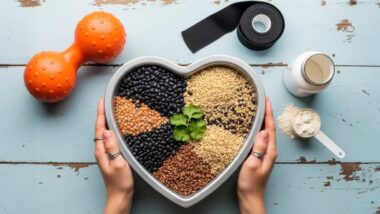
Vegan sports nutrition is essential for athletes embracing a plant-based lifestyle. The importance of proper nutrition cannot be overstated when it comes to optimizing performance, recovery, and overall health. Plant-based diets offer various advantages, including reduced inflammation and improved cardiovascular health. However, these diets can sometimes present challenges regarding meeting specific nutritional needs. Athletes must pay attention to their intake of protein, vitamins, and minerals. Understanding which plant-based foods are nutrient-dense can aid in achieving optimal nutrition. Key sources of plant protein include lentils, chickpeas, and quinoa, while nuts and seeds provide healthy fats. It’s crucial for vegan athletes to educate themselves on food choices that deliver energy and stamina, particularly in endurance sports. Another aspect includes adjusting meal timing around workouts to ensure energy levels remain high. Incorporating whole foods rich in macronutrients will support any athlete’s goals. For those looking to enhance their performance, consulting with a sports nutritionist familiar with vegan diets can provide tailored recommendations and guidelines for achieving optimal health.
Essential Macronutrients and Micronutrients
A well-balanced vegan diet should supply adequate macronutrients such as carbohydrates, proteins, and fats, along with essential micronutrients. Carbohydrates are the primary fuel source for athletes, especially during high-intensity training and competitions. Whole grains, fruits, and vegetables serve as excellent sources of carbohydrates while offering fiber and antioxidants. Protein is vital for muscle recovery and repair. Plant-based athletes need to diversify protein sources to ensure intake of all essential amino acids. Combining foods like rice and beans, or peas with nuts, can help achieve this goal. Healthy fats from avocados, olives, and flaxseeds contribute to overall energy and support hormone function. Micronutrients such as iron, calcium, vitamin B12, and omega-3 fatty acids are crucial for plant-based athletes. Iron from sources like spinach and lentils must be complemented with vitamin C-rich foods for better absorption. Vitamin B12, generally absent in plant foods, may require supplementation. Furthermore, omega-3 fatty acids can be sourced from algae-based supplements, aiding in reducing inflammation and supporting heart health, essential for athletic success.
Hydration plays a vital role in the performance of any athlete, including those following a vegan diet. It is crucial to maintain adequate fluid levels to prevent dehydration, especially during intense workouts or competitions. Water should be the primary source of hydration; however, plant-based athletes can also benefit from incorporating electrolyte-rich beverages, such as coconut water. This natural option provides essential minerals, including potassium and magnesium, to help replenish lost electrolytes during physical activity. Athletes should monitor their hydration status by checking urine color and thirst levels. Additionally, consuming fruits and vegetables with high water content can contribute to hydration efforts. Proper hydration enhances endurance, cools the body, and improves athletic performance. Furthermore, athletes should consider adjusting their fluid intake based on exercise intensity, climate conditions, and duration. Pre, during, and post-exercise hydration strategies can make a significant difference in recovery. Following these hydration practices will not only help improve performance but also aid in the overall well-being of the athlete during practices and competitions, ensuring they remain at peak performance levels while respecting their dietary choices.
Meal Planning for Vegan Athletes
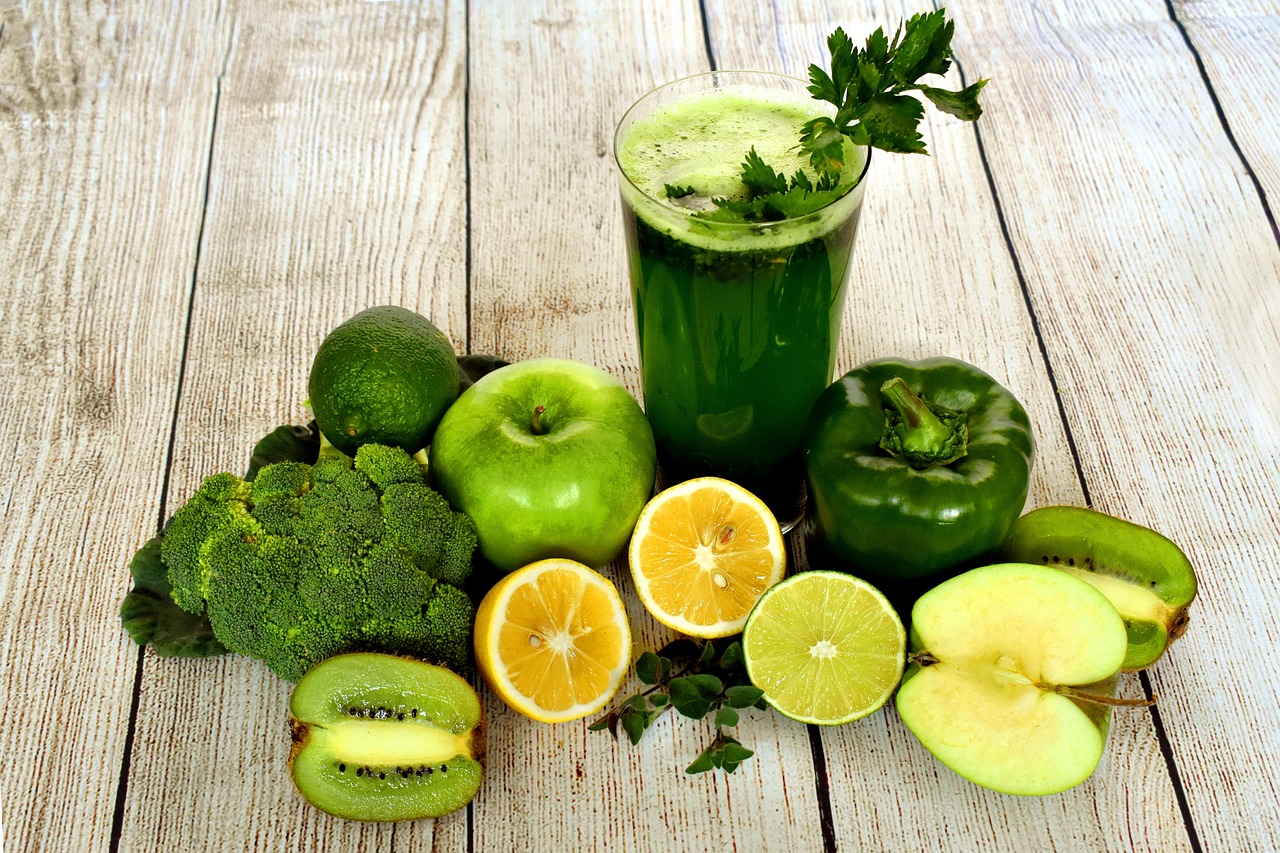
Meal planning is crucial for vegan athletes who want to optimize their performance. A structured meal plan can help ensure adequate nutrient intake and prevent deficiencies. Consider creating a weekly menu that includes a diverse range of foods. Focus on incorporating fruits, vegetables, whole grains, legumes, nuts, and seeds in every meal. Preparing meals in advance allows athletes to have convenient, nutritious options available regardless of their busy schedules. Utilize batch cooking methods for staples like brown rice, quinoa, or roasted vegetables, saving time during the week. Variety is key in a vegan diet, so experimenting with different recipes can help avoid monotony. For optimal recovery, include a post-workout meal with a combination of carbohydrates and protein. Smoothies with spinach, bananas, and plant-based protein powder can be excellent choices. Herbal teas or homemade broths can also support well-being and hydration. Engaging with online communities or recipe blogs focused on vegan athletics can provide inspiration, tips, and insights into meal preparation. Thus, comprehensive meal planning lays the groundwork for successful vegan sports nutrition.
Vegan sports supplements can help athletes who struggle to meet specific nutritional requirements through whole foods alone. Supplements such as plant-based protein powders, branched-chain amino acids (BCAAs), and creatine can enhance performance when necessary. Plant-derived protein powders offer a convenient way to increase protein intake for muscle repair and growth. BCAAs may help reduce muscle soreness and improve recovery time, especially when workouts are intense. Additionally, some athletes may benefit from creatine, traditionally found in animal products, which can enhance strength and power during high-intensity training sessions. Omega-3 supplements from algae can also aid in inflammation reduction crucial for recovering from physical exercise. It’s important for athletes to consult with a healthcare professional before incorporating supplements into their regimen to ensure they choose safe, effective products. Furthermore, understanding the potential impact of each supplement on performance and recovery helps in making informed choices. Balancing supplementation with whole food sources provides a comprehensive approach to nutrition. This consideration is essential in maintaining optimal health and performance while adhering to a vegan lifestyle and meeting plant-based needs.
Challenges and Solutions in Vegan Sports Nutrition
While vegan athletes can thrive on a plant-based diet, they may face unique challenges. One common issue is the risk of inadequate calorie intake, which can lead to weight loss and decreased performance. To counter this, athletes can focus on nutrient-dense foods like nuts, seeds, and avocados, which provide more calories in smaller portions. Another challenge is the need for essential nutrients often abundant in animal products, such as vitamin B12 and iron. Athletes should prioritize fortified foods and, if necessary, consider supplements to meet these needs. Being intentional about food pairings can maximize nutrient absorption, enhancing overall health and performance. Athletes might also encounter social challenges, such as dining out or traveling. Preparing snacks and meals in advance can alleviate stress when on the go. Engaging with local vegan communities can provide support, sharing tips for overcoming these challenges together. Understanding personal nutritional needs is crucial for athletes, enabling them to make informed, healthful choices. With planning and knowledge, vegan athletes can successfully navigate the hurdles of sports nutrition, maintaining a healthy lifestyle while improving their performance.
In conclusion, vegan sports nutrition is achievable and beneficial for plant-based athletes. With a well-planned diet embracing a wide variety of nutrient-dense foods, athletes can meet their needs and thrive. Adopting a whole-foods approach ensures adequate protein, vitamins, and minerals essential for athletic performance. Informed choices and strategic meal planning allow athletes to avoid deficiencies, ensuring they remain energized and healthy. Regularly incorporating supplements, when necessary, on top of whole foods can also enhance performance, particularly for hard training athletes. Staying hydrated and properly fueling pre and post-workout is essential for optimizing results. Understanding the unique challenges of vegan sports nutrition enables athletes to navigate them more effectively, both physically and socially. Building a responsive community of fellow athletes contributes to sustained motivation and sharing experiences. As awareness of plant-based diets grows, resources such as books, blogs, and social media platforms offer valuable support. Embracing this nutrition pathway can lead to improved performance outcomes while fostering a commitment to a compassionate lifestyle. Ultimately, vegan athletes can reach their goals while demonstrating that plant-based nutrition is not just feasible but remarkably rewarding.