
Best Exercises to Recover from Shoulder Injuries
Recovering from shoulder injuries requires targeted rehabilitation exercises. It is essential to engage in a structured routine to restore mobility and strengthen the shoulder muscles. One effective exercise is the pendulum swing. To perform this, lean forward without straining your back, letting your injured arm dangle. Gently swing it in circles and back and forth. This movement helps to loosen the shoulder joint and enhances circulation. Another beneficial exercise is the wall crawl. Stand facing a wall at an arm’s length. Slowly, extend your injured arm and crawl your fingers up the wall, reaching as high as you can comfortably go. This exercise improves range of motion gradually while not placing too much strain on the joint. Consistency is vital, so aim to practice these exercises several times each week. Not only do they aid recovery, but they also help prevent future injuries. Always consult with a healthcare professional before starting any rehabilitation program, as they can tailor exercises to your specific condition and monitor your progress effectively.
Important Shoulder Rehabilitation Exercises
One of the primary rehabilitation exercises is the shoulder stretch. This simple yet effective stretch allows you to gently elongate the shoulder muscles. Stand or sit with good posture, lift your arm overhead, then bend at the elbow to bring your hand down toward the opposite shoulder. Hold for 15-30 seconds. Another exercise is the resistance band external rotation. Secure a resistance band at elbow height, then pull it externally, keeping your elbow at your side. This strengthens the rotator cuff muscles, essential for shoulder stability. Incorporating light weights or resistance bands can gradually enhance strength but must be approached with caution. Always start with lighter resistance to avoid overexertion. Lastly, incorporate scapular stabilization exercises, such as shoulder blade squeezes to improve overall shoulder function. Sit or stand with a straight back and squeeze your shoulder blades together. Hold for five seconds and repeat. Awareness of your body’s limits and gradual progression remains essential throughout the process of recovery.
Maintaining posture during exercises is crucial in shoulder rehabilitation. Poor posture can exacerbate injuries and hinder recovery efforts significantly. Therefore, while performing any rehabilitation exercise, ensure your back is straight and shoulders remain relaxed. Engaging in posture correction exercises can also be beneficial. One such exercise involves sitting against a wall to align your shoulders and back properly. Over time, this will help ingrain appropriate posture habits during daily activities. Additionally, incorporating relaxation techniques and gentle stretches can assist in alleviating tension in the shoulder area. Techniques such as deep breathing while gently stretching can further enhance flexibility and reduce discomfort. As you progress, it’s essential to continue monitoring your pain levels. Sudden increases in pain should not be ignored; if they occur, rest and potentially consult a professional. Remember, recovery is a journey that requires patience and consistency. It may take time before you feel completely healed, but sticking to your routine will yield results. Consistency and gradually increasing the intensity of your exercises are key elements driving recovery.
The Role of Proper Warm-Up
Warming up before your rehabilitation exercises cannot be overstated. Engaging in a thorough warm-up prepares your muscles and joints, reducing the risk of further injury. Simple activities such as gentle arm circles and shoulder shrugs can increase blood flow to the area. Aim for about five to ten minutes of warming up your body to establish a strong foundation for the exercises ahead. Pay attention to how your shoulder feels during this warm-up; it should feel loose and ready for movement. These introductory motions can enhance flexibility and invigorate the muscles. Following the warm-up, integrate more specific shoulder exercises gradually. After finishing your rehabilitation session, it is also prudent to perform cool-down stretches. This helps to normalize muscle length and relaxes any tissues that may have tightened during the workout. For effective cool-down techniques, use slow, gentle movements focusing on deep breathing while performing stretches. Remember to keep your sessions balanced with both warm-up and cool-down components for optimal results.
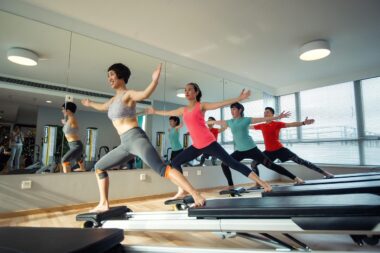
Incorporating balance exercises into your routine can further support shoulder rehabilitation. For example, standing on one leg while performing shoulder raises encourages stabilization not just in your arms but also engages your core. This creates a challenge that can significantly enhance your rehabilitation progress. Avoid adding too much weight initially; focus on maintaining form and stability first. You can also explore yoga or Pilates, as these offer great benefits for physical rehabilitation and recovery. Both practices emphasize mindful movements and controlled breathing, which are integral during recovery periods. Regular attendance at yoga or Pilates classes can provide additional support and motivation through community engagement. Online classes are also widely available for those who prefer a home environment. Always listen to your body throughout any new movements or routines. If something doesn’t feel right, you should take a step back and reassess rather than pushing through the discomfort. Pay close attention to any lingering pain or discomfort in your joint, which could indicate that the next step might be too much too soon.
Consulting with Professionals
Engagement with healthcare practitioners is essential during your shoulder rehabilitation journey. Physical therapists can tailor exercises specifically to your needs, ensuring optimal recovery. They can also provide alternative strategies that might better suit individual conditions. Regular check-ins with professionals ensure exercises remain effective and safe, particularly as you progress and regain strength. Encourage communication with your therapist regarding your pain levels and progress. They can adjust your rehabilitation program to accommodate changing conditions. Additionally, if you experience unexpected pain or discomfort, reach out for professional advice promptly. It is better to catch these issues early to avoid prolonged setbacks. Referring to sports medicine specialists can also provide valuable insights, especially for athletes recovering from sports-related injuries. They can offer specialized programs aimed at returning to specific sports safely while minimizing the chance of re-injury. Always prioritize a multidisciplinary approach to shoulder rehabilitation for the best outcomes. Physical therapy, medical consultations, and consistent self-care practices all play vital roles in the recovery process.
In conclusion, it is important to establish a comprehensive approach to shoulder rehabilitation. Engaging in a combination of specific exercises, maintaining proper posture, warming up, and consulting professionals will facilitate recovery. Equally, integrating balance and relaxation techniques enhances overall rehabilitation efforts, creating a more optimal environment for healing. Finding the right exercises tailored to your recovery needs is indicative of a successful program. Always remember the importance of gradual progress. This means increasing intensity, resistance, and frequency at a comfortable pace. Celebrating small milestones throughout your rehabilitation journey can boost motivation. Each step you take toward recovery is a step toward reclaiming physical strength and function. Building a support network through professional resources, family, and friends also contributes positively to the journey of recovery. Finally, ensure self-care practices are embedded in your routine to support your journey consistently. Whether through engaging in physical activities or enjoying relaxing hobbies, maintaining balance is vital. With dedication and patience, regaining full range motion and strength in your shoulder is achievable.