
Best Low-Impact Group Exercises for Seniors
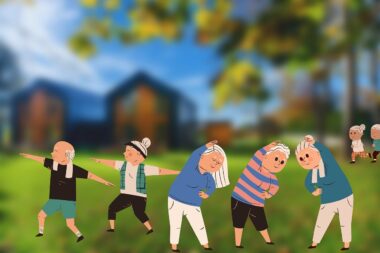
Seniors looking for enjoyable group exercise classes can greatly benefit from low-impact workouts. These activities are designed to improve flexibility, balance, and strength without putting excessive strain on the body. One popular option is water aerobics, which allows seniors to experience buoyancy and resistance simultaneously. In a supportive group atmosphere, these classes foster social interaction and camaraderie. Additionally, chair yoga is another fantastic choice, offering modified poses that can easily be performed while seated. This practice helps enhance mobility and relaxation while catering specifically to seniors’ varying abilities. Group stretching sessions are also beneficial, providing gentle exercises to increase flexibility, particularly in joints. They allow participants to share experiences and encourage one another during the workouts. Finally, low-impact dance classes provide a fun and rhythmic way to stay active while promoting cardiovascular health. The music and choreography can create a lively environment, enhancing mood and motivation. Overall, the key to a successful fitness regimen in seniors is engaging in enjoyable low-impact group classes that cater to their specific needs.
Incorporating core-strengthening exercises into a senior’s fitness routine can significantly improve stability and balance. Stability balls have become increasingly popular due to their effectiveness in engaging different muscle groups, while providing a supportive surface. This enables participants to maintain proper posture without requiring full commitment to conventional workouts. A qualified instructor can guide seniors in performing low-impact movements like seated ball twists or wall sits, which are safe and effective. Such exercises enhance core strength, making everyday tasks easier and reducing fall risks. Pilates is another fantastic option that focuses on core stability and alignment. Much like stability balls, Pilates classes often emphasize controlled movements and breathing techniques. Some senior-focused Pilates classes even utilize specialized equipment like reformers to ensure safe practice. These classes are generally held in a friendly, motivating environment where seniors can share their journey, allowing them to make meaningful friendships as they exercise. By committing to regular core exercises, seniors can enhance their quality of life, increase their confidence, and gain independence in their daily activities, all while enjoying the satisfying atmosphere of group classes.
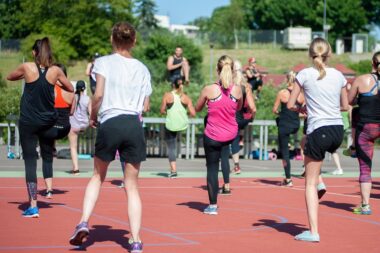
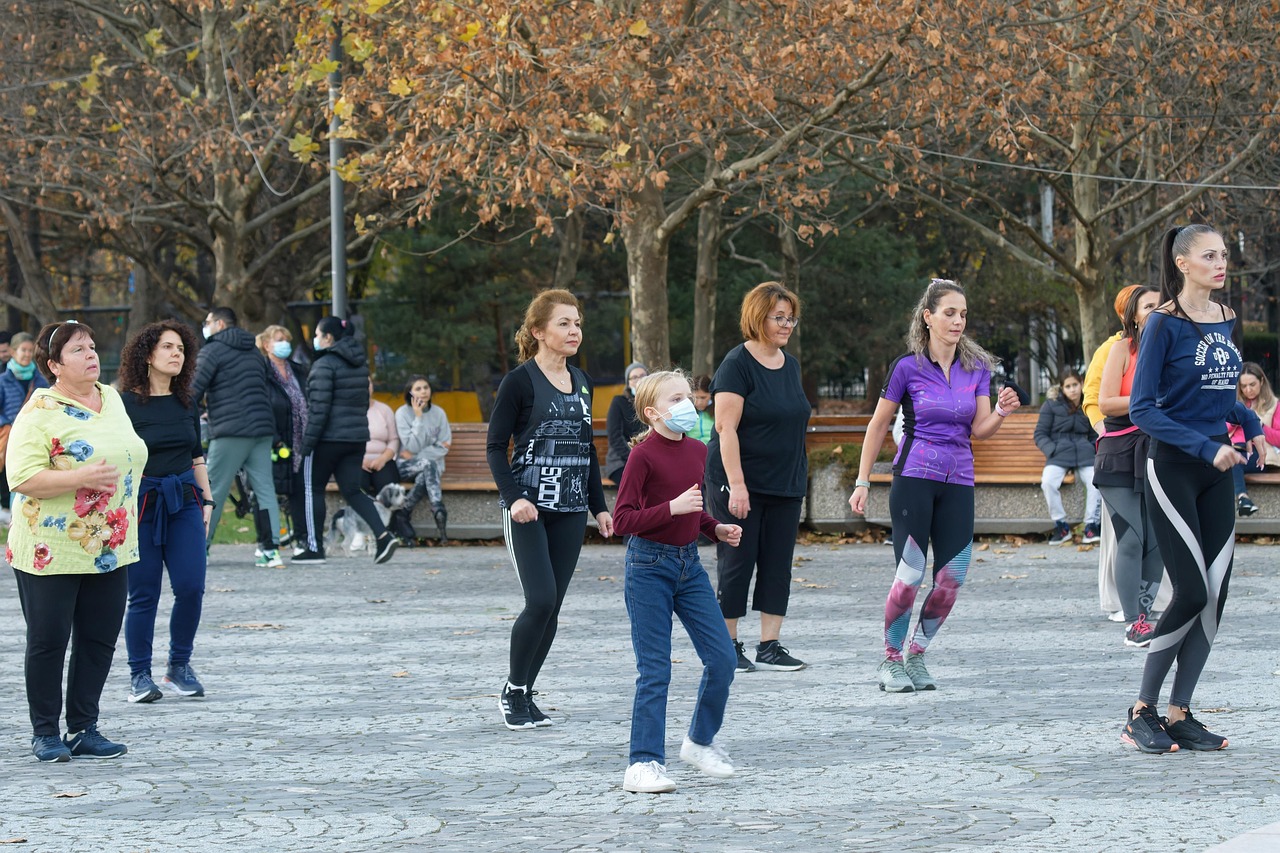
Low-impact group aerobics are an excellent way for seniors to engage in cardiovascular exercise. These classes typically involve choreographed movements that cater specifically to older adults, ensuring safety while optimizing heart health. Some popular formats include Zumba Gold, which adapts traditional Zumba routines for a gentler yet still exciting experience. Instructors often focus on easy-to-follow choreography, encouraging participants to move to lively music while uplifting their spirits. Another great aerobic option is line dancing. Classes usually feature step-by-step instructions, enabling participants to learn a variety of dance styles. The social aspect of group line dancing promotes connections and fun among peers. Moreover, tai chi is recognized as a beneficial practice for older adults, combining slow movements and mental focus. This ancient martial art significantly helps improve balance, coordination, and flexibility over time. These classes foster a sense of belonging among participants as they progress together on their fitness journey. However, it is essential for seniors to consult with their healthcare professionals before joining any group class to ensure safety and suitability, maximizing the benefits of their active lifestyle.
The Role of Flexibility Training
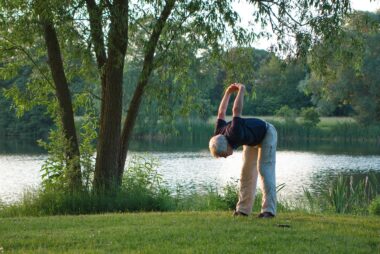
A vital component often overlooked in senior fitness is flexibility training. Stretching exercises promote better mobility and can alleviate tension in muscles and joints. Regular practice prevents stiffness, increasing the range of motion and enhancing overall physical performance. Many group exercise classes for seniors include targeted flexibility routines, making stretching a fun and enjoyable activity. Gentle yoga classes offer a fantastic opportunity for seniors to work on their flexibility while also incorporating breathing techniques. These classes often cater to seniors of all abilities, with instructors modifying poses to ensure everyone can participate safely. Furthermore, incorporating resistance bands into flexibility training can be a game-changer for seniors. This lightweight equipment provides support and resistance, enhancing the effectiveness of stretching exercises. Simple movements such as band-assisted arm stretches can be practiced in a group setting, which fosters encouragement and shared learning experiences. The social aspect of these classes allows seniors to support one another while working on improving their flexibility. Overall, regular flexibility training empowers seniors to maintain independence and an active lifestyle, resulting in better overall health and well-being.
Another vital area to address in senior fitness is strength training. Group exercise classes that focus on strength-building exercises help seniors maintain muscle mass and bone density, which are crucial for overall health. Activities such as light resistance training, body-weight exercises, and even the use of dumbbells can be effectively incorporated into low-impact group sessions. Simple exercises like seated leg lifts and wall push-ups can create a welcoming environment for seniors to strengthen their muscles safely. Having a qualified instructor leading the class reinforces correct form to help avoid injuries. Moreover, resistance training aids in improving balance, coordination, and stability, ultimately preventing falls. Classes can also be designed around specific goals or interests, like
Basic Bodytoning” or ” Chair-Based Strength” targeting different muscular systems while keeping it fun and engaging for participants. As seniors build strength, daily activities become easier, leading to a more fulfilling independent life. Regular strength training should be combined with other forms of exercise, such as aerobic activities and flexibility routines. This holistic approach ensures that seniors remain well-rounded in their fitness journey, supporting their overall health.
Nutrition and Hydration
Nutrition and hydration are crucial components of any fitness program for seniors. Engaging in group exercise classes increases energy expenditure, making a balanced diet essential. Seniors should emphasize whole foods rich in vitamins, minerals, and protein to support muscle recovery and overall health. Consuming a variety of fruits and vegetables will provide necessary antioxidants, while lean protein sources, such as chicken or beans, can aid in muscle maintenance. Group classes often inspire participants to share healthy recipes, fostering camaraderie and collective motivation in maintaining nutritious habits. Equally important is hydration; seniors must ensure they drink enough water before, during, and after exercise sessions. Dehydration can lead to fatigue, dizziness, and decreased performance, impacting the benefits of their workout. Instructors should remind participants about the importance of staying hydrated and encourage them to have small water breaks throughout classes. Maintaining nutrition and hydration supports seniors’ energy levels, so they can fully participate in group exercise activities and enjoy social interactions. When combined with engaging group classes, a well-balanced diet can significantly enhance seniors’ fitness journeys, ultimately promoting better health and longevity.
When it comes to mental well-being, participating in group exercise classes has immense benefits for seniors. Physical activity is widely known to release endorphins, boosting mood and reducing feelings of anxiety and depression. Group environments foster a supportive atmosphere where seniors can connect with peers sharing similar interests. This social interaction can combat feelings of loneliness and fosters lasting friendships. Many instructors emphasize the importance of positive reinforcement, motivating participants to achieve their personal fitness goals together. Additionally, a sense of community develops as individuals share their experiences and milestones. Many seniors find joy in celebrating each other’s successes, whether that means improving balance or increasing stamina levels. Engaging in fun, low-impact activities heightens the enjoyment of exercise and makes it easier to maintain a regular schedule. As seniors partake in tailored group classes, they often feel empowered to set new goals, celebrating along the way. This sense of achievement leads to improved emotional health and confidence, driving seniors to embrace their active lifestyles fully. Consequently, as group exercise becomes an integral part of their routines, they experience transformative changes that positively impact their overall quality of life.