
Flexibility and Mobility: The Ultimate Home Workout Combo
Achieving flexibility is essential for physical health and overall well-being. This is true, especially when considering home workouts that emphasize movements improving both flexibility and mobility. The perfect blend of these practices can help in reducing stiffness, enhancing blood circulation, and improving athletic performance. Incorporating a combination of stretching and mobility drills into a workout routine can also lead to fewer injuries and better posture over time. Moreover, this workout style can be incredibly accessible, requiring minimal to no equipment. Besides, these effective exercises can be adjusted to fit any fitness level. As individuals progress, they can deepen stretches while also introducing more dynamic mobility movements to the routine. With this, flexibility and mobility can be achieved sustainably. This ensures that anyone committed to enhancing these areas does so in a way that promotes balance and harmony in their overall body mechanics. Therefore, the journey to greater flexibility and mobility can start in the comfort of one’s own home, making it an ideal scenario for learning and growth. Whether being a beginner or an experienced person seeking new challenges, home workouts have the needed options.
Understanding the Importance of Flexibility
Flexibility is a fundamental component of fitness, offering myriad benefits to overall health. It allows for greater freedom of movement and contributes to improving performance in various physical activities. Furthermore, developing flexibility helps in reducing the risk of strains and sprains during workouts and daily activities. For those who sit for extended periods, flexibility exercises can counteract the tightness around the hips and lower back. Simple stretches for maintaining or increasing flexibility can be seamlessly integrated into daily routines, helping to combat stiffness. Key areas to focus on include the shoulders, hips, hamstrings, and quadriceps. Active stretching combined with deeper static stretches can yield the best results. Additionally, incorporating flexibility training into home workouts can encourage muscle recovery after more intense exercises. This kind of training can also help alleviate stress and promote relaxation, which benefits mental health. Programs can be customized to meet individual goals, including attaining greater flexibility for specific sports or activities. Overall, prioritizing flexibility will lead to a healthier, more functional body, enabling people to engage in the activities they love without limitation.
When discussing flexibility training, understanding mobility becomes equally important. Mobility refers to the ability of a joint to move through its full range of motion, which is vital in maintaining functional movement patterns. It involves the combination of strength, flexibility, and joint stability, ensuring that the body can perform movements efficiently and effectively. Poor mobility can lead to compensatory movements that increase the risk of injury. Therefore, mobility drills are essential for promoting joint health. Including exercises that target ankle, hip, and shoulder mobility can significantly enhance one’s overall performance. These movements should focus on both controlled and dynamic ranges of motion, providing comprehensive benefits. Dynamic stretches before workouts and static holds afterward can be particularly effective for improving mobility. Furthermore, awareness of body positioning and alignment during these exercises will ensure proper execution. This vigilance also leads to better results and maintenance of joint health. Transitioning from flexibility to mobility should flow seamlessly within a routine, creating an integrated approach to improving functional movement. Ultimately, enhanced mobility aids in life’s daily demands and various fitness pursuits, leading to better performance overall.
Top Flexibility Exercises for Home Workouts
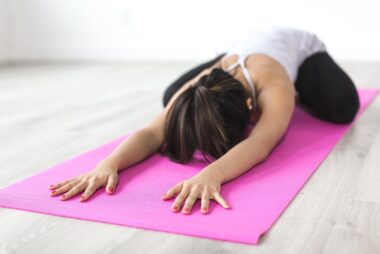
To enhance flexibility at home, there are several effective exercises that one can adopt easily. First, the standing forward bend is a great way to target the hamstrings. Begin by standing tall and then bend forward, reaching toward your feet while keeping the knees slightly bent. Another effective stretch is the butterfly stretch, where you sit with the soles of your feet pressed together and gently push your knees toward the ground. The cat-cow stretch allows for fluid movement of the spine, promoting spinal flexibility and reducing tension. Lying down and performing the supine hamstring stretch can help lengthen the hamstrings deeply. Additionally, the pigeon pose stretches the hips and glutes, helping to release accumulated tightness. The child’s pose can also assist in relaxing the back and promoting a sense of calmness. Remember that consistency is key in achieving results with flexibility workouts. Aim to hold each stretch for 15-30 seconds, gradually increasing as comfort allows. Incorporating these exercises regularly into a home workout routine will enhance flexibility and overall comfort in everyday movements.
A well-rounded flexibility routine should always consider personal comfort and limits. It is crucial to listen to your body and refrain from pushing through pain. Instead, approach flexibility work with patience, allowing your body to gradually adapt to the stretches over time. Incorporating breathing techniques can also enhance relaxation and effectiveness during stretches. Take slow, deep breaths as you hold positions, which will help ease muscle tension. This approach promotes a greater range of motion during each stretch. Additionally, ensuring proper warm-ups before diving into deeper stretches is necessary to prevent injury. A few minutes of light cardio, such as marching in place or dynamic movements, will help raise the body temperature and prepare your muscles. Integrating foam rolling before stretching can further aid muscle relaxation. Moreover, mixing in different types of stretches throughout the week can prevent monotony, keeping motivation high. Introducing ten to fifteen-minute sessions of dedicated flexibility work can be sufficient to see improvement over time. Over time, the payoff will reflect in how one moves through daily life, making everyday tasks feel easier and more enjoyable.
Mobility Drills for Effective Home Workouts
In any flexibility-focused workout, incorporating mobility drills elevates the effectiveness of the overall routine. Mobility exercises not only enhance flexibility but also improve functional strength. Engaging in movements such as hip circles or arm swings prepares the body for more dynamic activities. These drills will unlock stiff joints and prepare the muscles surrounding them for more intense workouts. Furthermore, practicing ankle mobility is crucial, as it allows for better squatting mechanics and improved balance. Those seeking enhanced performance can benefit from lunges with a twist to activate the spine and hips. Another favorite is the downward dog which promotes spinal elongation and hamstring engagement. The ability to transition from poses will also contribute greatly to overall mobility. Strengthening the upper body is important as well; therefore, incorporating exercises like the wall slides can promote shoulder mobility. Integrating these drills into a warm-up routine will ensure that the body is ready for the workout ahead. As fitness levels increase, consider adding variations or using resistance to progress. Eventually, proficiency in mobility drills will create a solid foundation for more demanding workouts.
Establishing a routine that combines flexibility and mobility requires consistency and dedication, but the results can be highly rewarding. Consider documenting your progress by noting improvements in your range of motion or ease of movement through daily activities. Establish specific goals for both flexibility and mobility, aiming to hold stretches longer or achieve more challenging movements. Utilizing fitness tracking applications or journals can help maintain accountability and motivation. Online resources such as fitness communities and virtual classes can offer guidance and support for individuals striving to enhance their home workout routines. Staying connected with experts or like-minded individuals can foster a sense of community, encouraging continued progress. Additionally, creating a designated workout space at home can provide a motivating environment. It can inspire regular practice and concentration during flexibility and mobility training. Experiment with different schedules, discovering whether morning or evening sessions work best for maintaining consistency. Ultimately, rewarding yourself for milestones achieved will enhance motivation and enjoyment in your workouts. Balancing flexibility and mobility practices will facilitate a healthier lifestyle overall, promoting longevity and quality of life.
Conclusion: Embracing Flexibility and Mobility
In conclusion, flexibility and mobility are integral parts of a well-rounded fitness routine, especially within the realm of home workouts. Engaging in a variety of exercises and drills targeting these areas should vastly improve overall body mechanics. This combined approach not only enhances performance in other fitness disciplines but also enriches an individual’s day-to-day movements. As personal flexibility skills progress, so does the potential for increased athletic pursuits and enjoyment of physical activities. Making time for flexibility and mobility work at home can elevate the overall fitness experience while fostering a positive mindset toward personal health. The journey may be gradual, but the benefits are vast and profound. To maintain motivation, remember to set clear objectives and celebrate small wins along the way. Utilizing available resources, whether online or in your community, can amplify your experience. Incorporating flexibility and mobility training into daily life will undoubtedly lead to healthier habits and improved quality of living. So begin today; your body will thank you, allowing you to engage more fully in all that life offers.