
How to Improve Your Balance with Functional Training
Enhancing balance is essential for overall fitness and daily activities. Functional training can significantly improve your balance by mimicking real-life movements. To start, focus on your core strength, as it plays a key role in maintaining stability. Incorporate exercises like planks and Russian twists to engage your core muscles. Additionally, consider adding single-leg balances, which challenge your proprioception and strengthen stabilizing muscles. Progressively increasing difficulty by adding movement or instability to these exercises can yield greater results. Try closing your eyes while balancing on one leg or using a balance board. Resistance bands can also be an effective tool for improving balance. They add resistance to movements, helping you develop coordination and strength simultaneously. As you grow stronger, explore dynamic movements, such as lunges with a twist or lateral shuffles, to challenge your balance further. Lastly, consistency is key; aim to incorporate balance training into your routine at least two to three times weekly. Not only will this lead to better balance, but it can also improve overall athletic performance, making you more agile and reducing injury risks.
Implementing Balance Exercises
To effectively implement balance exercises in your routine, schedule specific days dedicated to functional training. Start each session with a dynamic warm-up to prepare your body. Include movements like arm circles and leg swings to loosen up. Following the warm-up, transition into core work, focusing on exercises that engage multiple muscle groups. For instance, perform plank variations combined with leg lifts to challenge core stability. After acing the core segment, move into single-leg exercises. Aim for 8-12 repetitions on each leg. Progressively increase hold time to enhance balance. Integrate dynamic movements, such as walking lunges, to further engage your core while improving balance. Using functional assessment tools can help determine your starting point and areas needing improvement. Balance assessment techniques like the single leg stance test or the Y-balance test are helpful. Make adjustments based on your findings, tweaking your routine as necessary. Consider incorporating partner exercises for an enjoyable experience and extra motivation. Additionally, recording your progress can provide insights on improvements and help you celebrate your achievements along the way.
Including equipment in your functional training can amplify the effectiveness of your balance exercises. Consider utilizing items such as stability balls, balance boards, or foam pads. These tools challenge your balance by introducing instability, forcing your muscles to adapt. Start with easier exercises, like adding a stability ball to wall squats, to build strength and control. As you become more comfortable, incorporate more complex moves, such as push-ups with your feet on a ball. It’s also beneficial to explore band-resisted balance training. Attach a resistance band to a sturdy object and perform lateral steps or single-leg raises against the resistance. This not only enhances balance but also builds leg strength. Incorporating kettlebells can further enhance your workouts by adding weight to your movements, leading to improved core stability. Functional training can often be teamwork-oriented; consider group classes or training with a partner. This camaraderie adds a layer of motivation, pushing you to achieve your best. Always listen to your body to avoid injuries. Gradually increase intensity and complexity, ensuring your progress is steady and sustainable.
Nutrition and Recovery
Nutrition and recovery are often overlooked in balance training programs, but they play significant roles in performance. A well-balanced diet rich in protein, healthy fats, and complex carbohydrates will provide your body with the energy it needs to perform at its best. Focus on whole foods such as lean meats, whole grains, fruits, and vegetables to ensure you receive a full spectrum of nutrients. Hydration also deserves attention; drink plenty of water before, during, and after workouts. Proper hydration optimizes physical performance and aids in recovery. Additionally, consider incorporating anti-inflammatory foods into your diet, like berries and fatty fish. These can promote quicker recovery. Post-workout nutrition is crucial; consume a protein-rich snack within 30 minutes after your workout to initiate muscle recovery. Stretching, foam rolling, and gentle yoga can aid in your recovery process, improving flexibility and reducing soreness. Prioritize rest days in your routine to prevent overtraining, which can hinder your balance progress. Engage in restorative activities on these days, such as walking or light swimming, to keep moving without stressing your body.
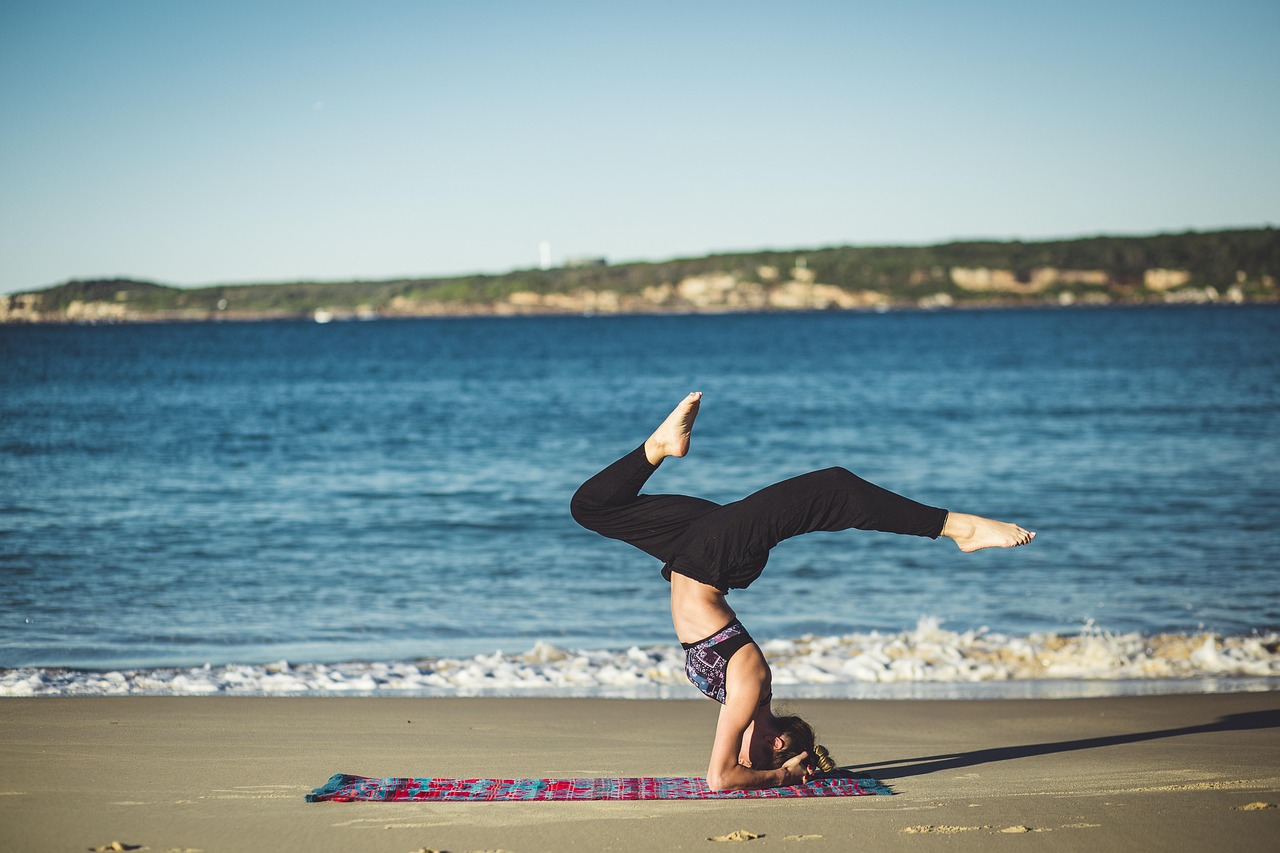
Challenge your balance with creative, outdoor functional training. Engaging in activities like hiking or navigating uneven terrain can radically enhance your stability. Outdoor exercises expose you to various surfaces and situations, training your muscles to adapt continuously. Consider activities like slacklining, which significantly develops balance by requiring focus and coordination. Even simple outdoor games, such as ultimate frisbee, can develop agility and balance in enjoyable ways. Alternatively, try dance classes that incorporate balance work subtly through movement. Incorporating unstructured play into your routine can also promote balance naturally. Such play encourages spontaneous movements, improving coordination. Martial arts forms like tai chi are excellent for enhancing balance and body awareness. These practices require slow, deliberate movements that challenge your stability and promote mindfulness. When challenging your balance outdoors, always consider safety first; wear appropriate footwear and choose safe environments. Prepare for various weather conditions, as they can significantly affect balance, especially on trails or slippery surfaces. Ultimately, a balance-focused routine should be fun and adaptable, incorporating both structured practice and spontaneous activities in diverse outdoor settings.
Evaluating Progress
Measuring your progress in improving balance through functional training is essential for maintaining motivation and adjusting your program. Start with baseline assessments to monitor your improvements over time. Use the previously mentioned tests, such as the single leg stance test, as a starting point. Take note of the time you can hold a position, aiming to increase that time regularly. Keeping a training journal can facilitate tracking your exercises, adjustments, and feelings throughout your training journey. Document your performance in different exercises and any achievements you reach, like mastering a new movement. Additionally, consider qualitative assessments such as how your daily activities feel. You may notice improvements in your daily life, whether climbing stairs or standing on one leg while putting on pants. Performance in sports or recreational activities can serve as another indicator of your progress. Remember that balance training can be long-term; be patient with yourself. Enjoy the journey and celebrate milestones along the way. Sharing your experiences and achievements with friends can foster a supportive environment and keep you accountable.
In conclusion, improving balance with functional training is fundamental for enhancing your overall physical capabilities. Commit to incorporating core strength, single-leg exercises, and progressive resistance into your routine for the best results. Balance training requires patience and consistency; it is important to approach progress with a positive mindset. Utilize a variety of equipment and outdoor exercises to enhance engagement and challenge your skills creatively. Maintain a balanced diet and prioritize hydration, allowing your body to respond positively to training. Evaluate your progress regularly, using both quantitative and qualitative methods. This way, you can adjust your routine and stay motivated on your fitness journey. Remember to enjoy the process as you develop new skills and gain confidence in your balance abilities. Functional training should be enjoyable and fulfilling, providing lifelong benefits for your health and fitness. Whether you are an advanced athlete or a beginner, incorporating these strategies will ensure you make strides in your balance training endeavors. Start today and observe the positive changes in different aspects of your life as you improve your balance through dedicated functional training.