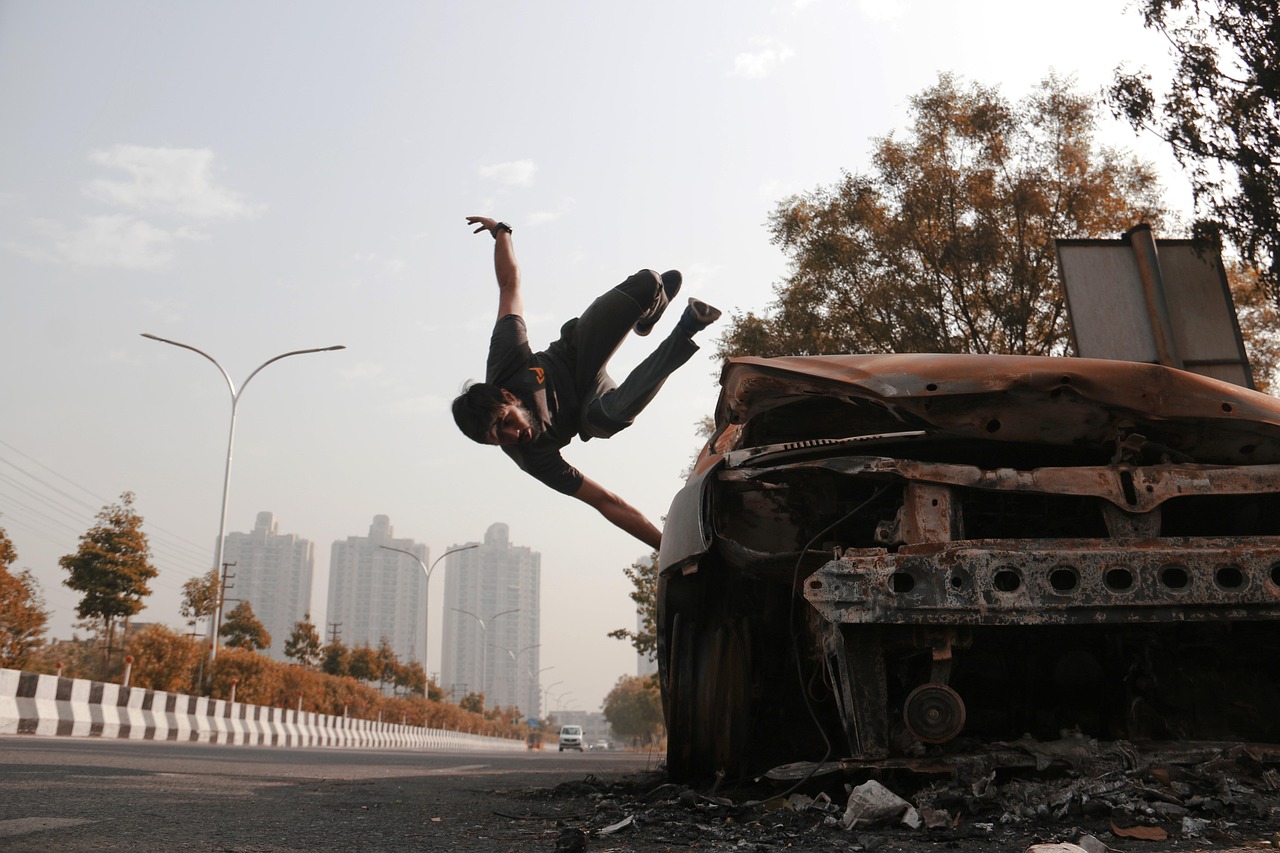

Overcoming Fear and Anxiety in Parkour Through Mental Training
Parkour is an exhilarating art form that demands not only physical skill but also mental mastery. To excel, practitioners must conquer emotions such as fear and anxiety, which can hinder performance. Mental training plays a crucial role in this journey toward overcoming psychological barriers. It fosters resilience, helping individuals to approach challenging obstacles with confidence. By learning techniques to calm the mind, one can better process fear as a construct, making it manageable. Visualization and positive affirmations are powerful tools that can transform a fearful mindset. Practitioners visualize themselves successfully completing a jump or maneuver, facilitating neural connections that enhance performance when it comes time to execute. By doing this, they create mental pathways that bypass fear, enabling fluid movement. Furthermore, mindfulness practices, such as meditation, nurture awareness and focus, allowing in-depth recognition of fears without panic. Support groups or community training can also provide positive reinforcement, creating a safe environment for practitioners to express their experiences and fears. This aspect of social support is crucial, as sharing difficulties strengthens resolve and fosters growth for everyone involved.
To fully harness the power of mental preparation, practitioners must also engage in goal-setting strategies that are achievable and measurable. These goals should be specific, breaking down larger fears into smaller, manageable tasks. For instance, a practitioner could focus on mastering one jump at a time rather than being overwhelmed by the entirety of parkour obstacles. This incremental approach allows for gradual desensitization and builds confidence. Self-reflection is another essential component, encouraging individuals to assess their fears in a structured way. When practitioners document their progress, they acknowledge areas for improvement while celebrating successes. This process provides a clearer picture of their journey and reinforces motivation. Learning from past experiences is crucial; revisiting moments of self-doubt helps clarify how they were faced and conquered. Developing a positive inner dialogue to counter negative thoughts is vital as well. Instead of focusing on what could go wrong, focusing on potential successes fosters a more empowering perspective. Lastly, embracing mistakes as part of the learning process encourages adaptability, enabling practitioners to view anxiety not as a stumbling block but as a stepping stone toward improvement.
The Role of Mindfulness in Parkour
Mindfulness, the practice of staying present and fully engaged in the current moment, is a vital skill for parkour practitioners. It helps focus attention, reducing the noise of fear and anxiety, acting as a buffer against overwhelming emotions. By training the mind to observe thoughts and feelings without judgment, practitioners can learn to respond to fear more constructively. Incorporating breathing techniques can enhance mindfulness; deep, controlled breathing lowers heart rates and calms racing thoughts. Regular practice of mindfulness allows athletes to become aware of instinctive anxiety triggers. These triggers often manifest during challenging movements, and by recognizing them, practitioners can adjust their focus. When confronted with fear, breathing exercises can serve as grounding techniques, creating space to assess options rather than react impulsively. Activities such as yoga or tai chi complement parkour training beautifully, as they emphasize the connection between mental and physical aspects of movement. Engaging in such holistic practices aids practitioners in developing better balance, coordination, and mental clarity. As fear begins to dissipate through these techniques, confidence grows, welcoming practitioners into a newfound realm where challenges are embraced, not avoided, leading to remarkable growth in their parkour journey.
Reinforcing the mental component of parkour, creating a supportive community is crucial in overcoming fear and anxiety. Engaging with fellow practitioners fosters a sense of belonging and shared struggles, which can be comforting. Often, individuals are surprised to find that their peers also experience similar fears. Participating in group sessions or classes creates opportunities to share techniques for mental preparation. This collaborative effort can build camaraderie, empowering each member to support one another’s achievements and setbacks. Additionally, mentorship programs can bridge the gap between novice and experienced practitioners; having a mentor allows beginners to learn how to face fear effectively. Mentors have often traversed the same challenges and can offer invaluable insights. They provide a roadmap, showcasing that personal growth is possible. Moreover, celebrating small victories together promotes encouragement, reinforcing the mindset that overcoming fear is a journey shared among friends. Engaging in social parkour events or jam sessions strengthens ties while allowing participants to demonstrate their skills in a relaxed atmosphere. This creates a non-competitive space to face fears together. In unison, groups can push the boundaries of their comfort zones, fostering an environment of support and collaboration, ultimately leading to success.
Practicing Visualization Techniques
Visualization techniques have emerged as a powerful tool for parkour practitioners seeking to overcome fear and anxiety. By mentally rehearsing movements, practitioners begin to form a positive mindset toward challenges. Visualization helps create neural pathways in the brain that replicate actual performance. This practice leads to better motor skills as the brain prepares the body for the anticipated actions. Athletes can imagine every detail of their movements, from the first step to the landing. Engaging multiple senses during visualization, such as imagining sounds or tactile sensations, enhances this experience. While focusing on specific jumps or obstacles, practitioners should envision themselves managing their fears; picturing successful outcomes reinforces confidence. Practicing visualization consistently can take different forms. Some may prefer quiet moments of solitude, while others may engage in visualizations before actual practice to prime their performance. The repetitions can lead to familiarity and decreased anxiety over time. Keeping a journal describing visualization sessions can help track progress and refine techniques. This intentional practice reduces overwhelming feelings tied to fear and fosters a warrior mindset. Ultimately, practitioners harness the power of their subconscious, propelling them toward overcoming limitations and achieving their goals within the world of parkour.
Adopting a positive perspective on fear itself can also contribute significantly to overcoming mental barriers. Understanding that fear is a natural response rather than an enemy creates space for a more constructive relationship with anxiety. Rather than suppressing fear, practitioners can learn to acknowledge it as a signal that they are pushing their limits and expanding their comfort zones. This shift in perception allows individuals to respond proactively rather than reactively. Engaging in positive self-talk can aid this transformation; replacing negative thoughts with affirmations such as “I am capable of doing this” can change the narrative around fear. Becoming aware of negative self-talk patterns paves the way to challenge such thoughts before they take root. Practicing acceptance toward anxiety is another valuable skill. Accepting feelings without judgment can lead to an understanding that fear will not vanish but can be managed effectively. As discomfort arises, practitioners can focus on their breath or gauge their physical state to re-center themselves. This acceptance and acknowledgment help to empower individuals, fostering resilience and perseverance. Ultimately, these changes cultivate a mindset that approaches challenges with curiosity instead of dread, leading to transformative experiences within their parkour journey.
Conclusion: Integrating Mental Training in Parkour
In conclusion, the integration of mental training into parkour practices is an essential aspect of overcoming fear and anxiety. Acknowledging the psychological hurdles alongside physical challenges empowers practitioners to navigate their journey more effectively. Through goal-setting, mindfulness, visualization, and building community support, individuals can cultivate confidence and resilience. Fear should transform from a debilitating emotion into a motivator for growth and exploration. By sharing experiences and emphasizing collective accomplishments, practitioners ignite an atmosphere of encouragement that dismantles barriers. Alongside physical training, mental preparation enables individuals to expand their skill sets, ultimately opening doors to deeper understanding and mastery of parkour. As they progress, they become more adaptable beings, capable of approaching diverse challenges with a newfound perspective. The journey is as significant as the destination; overcoming fear and anxiety through mental training shapes character and transforms lives. So, embrace the mental aspect of parkour and connect the mind-body dynamic for limitless growth. With commitment and consistency, practitioners can transform their fears into fuel. The world of parkour awaits, inviting everyone to leap, flip, and flow toward their limitless potential and personal excellence.
When navigating through parks and urban environments, it’s crucial for parkour practitioners to remain aware of their surroundings. This attentiveness reduces the risk associated with impulsively jumping into challenging moves. By evaluating surroundings, practitioners can minimize potential injuries, adapting their body and mind to each situation while maintaining focus and control. Environmental awareness is a skill that can further integrate into mental training, enhancing overall practice. Becoming well-versed in hazard recognition and environmental adaptability will also contribute to improved decision-making processes, as there will always be diverse factors to consider. Practicing within varying environments allows individuals to develop this instinctual response, increasing their versatility as athletes. Gradually taking on increasingly complex challenges exposes those while offering essential lessons that contribute to personal growth. Every successful maneuver reinforces confidence and determination to deal with fear, ultimately creating a positive feedback loop. Balancing risk and skill acquisition is vital for progress within parkour; understanding limitations ensures better decision-making and builds a solid foundation. Ultimately, those who cultivate this awareness will not only improve their parkour skills but also find emotional resilience, learning important lessons from every experience.