
Strength Training in Cardiac Rehabilitation: Exercise Physiology Insights
Strength training holds significant importance in cardiac rehabilitation programs, contributing to enhanced physical fitness among patients. Cardiac rehabilitation emphasizes total wellness activities aimed at promoting heart health more efficiently. Patients often benefit from incorporating resistance exercises into their routines to improve their overall strength. This method differs from traditional aerobic training by focusing more on muscle building. Increased muscle mass can lead to better metabolic function and endurance, vital for post-cardiac event recovery. Beyond physical improvements, strength training also supports psychological wellbeing, which can play a crucial role in motivating patients to remain committed to their rehabilitation journey. Health practitioners must ensure that individuals engage in appropriate strength training exercises under supervision to minimize risks of adverse events. The phased approach to introducing weights and resistance can significantly impact the restoration of physical function for those recovering from heart conditions. Exercise physiologists often design tailored programs that align with each patient’s specific needs and recovery goals, ensuring safety and promoting engagement in the rehabilitation process. Overall, the integration of strength training into cardiac rehabilitation represents an evolution in treatment paradigms for heart patients, offering multiple benefits.
The Role of Exercise Physiology in Cardiac Rehabilitation
Exercise physiology serves as an invaluable component in cardiac rehabilitation programs, addressing the physiological and psychological needs of patients. This field involves assessing individual responses to various forms of exercise, which is crucial for devising effective intervention strategies. By analyzing both metabolic and cardiovascular responses during exercise, professionals can create personalized training regimens that cater to individual strengths and weaknesses. Understanding how the body adapts to physical activity post-cardiac event allows exercise physiologists to optimize recovery outcomes, ensuring that patients develop a safe yet effective exercise routine. The link between exercise and cardiac improvements cannot be underestimated; studies indicate that patients who engage in structured exercise programs exhibit better rehabilitation outcomes than those who do not. Furthermore, adherence to these prescribed exercise standards significantly decreases the chances of future cardiovascular incidents. Exercise physiologists also place an emphasis on education about safe exercise practices, encouraging patients to better understand their bodies and limitations. By promoting empowerment through education, patients become more engaged in their rehabilitation journey, ultimately improving adherence rates and recovery. This underscores the vital role exercise physiology plays in supporting cardiac rehabilitation.
Strength training benefits several physiological aspects for individuals in cardiac rehabilitation. First and foremost, it enhances muscular strength, allowing patients to perform daily activities more easily and with less fatigue. Improved muscular strength is also linked to better cardiovascular stability and functional capacity, which are essential in reducing morbidity and mortality rates in these patients. Second, strength training can positively influence body composition. Many patients experience weight-related issues, and resistance exercises can help reduce body fat and increase lean mass, leading to healthier overall weight management. Moreover, emerging research suggests that incorporating strength training could improve insulin sensitivity, which is beneficial for those with diabetes or at risk of developing it. This shift towards a healthier metabolism further contributes to cardiovascular health by reducing systemic inflammation. Additionally, the psychological benefits of strength training, such as improved mood and reduced anxiety, cannot be overlooked in this patient population. Regular physical activity, including strength exercises, can enhance self-esteem and overall quality of life. Collectively, these adaptations emphasize the importance of integrating strength training into comprehensive rehabilitation programs for cardiac patients.
Implementing Strength Training in Rehabilitation Programs
Incorporating strength training into cardiac rehabilitation programs requires careful planning and consideration of patient safety. Exercise physiologists often conduct thorough initial assessments to gauge each participant’s fitness level, medical history, and specific rehabilitation goals. Based on this comprehensive evaluation, a tailored strength training program is developed that aligns with the patient’s current capabilities. During the early phases, it typically involves low-intensity exercises using body weight or light resistance to ensure safety and proper technique. Clients are closely monitored during sessions to adjust workloads and prevent potential overexertion. Furthermore, the use of periodized training—where intensity and volume gradually increase—can help ensure steady progress while minimizing injury risks. Incorporating a variety of strength exercises targeting major muscle groups is essential to foster overall fitness improvements. Options may include resistance bands, free weights, or weight machines, depending on individual preference and comfort. Providing education on form and technique is also critical, empowering patients to exercise safely. As patients achieve their strength targets, programs can evolve to include more complex movements, thereby enhancing overall functional fitness and resilience.
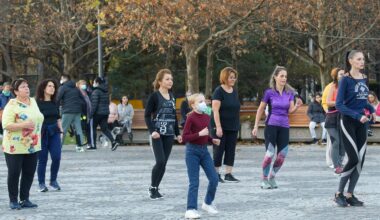
Adherence to prescribed exercise regimens is critical to achieving successful outcomes in cardiac rehabilitation programs. However, many patients struggle to maintain motivation over time. It would be beneficial for rehabilitation facilities to incorporate strategies that enhance engagement, such as goal setting, education, and peer support. Clear, attainable objectives help patients see their progress, providing a sense of accomplishment that encourages further participation. Regular assessments can facilitate this process by reinforcing the tangible improvements gained through adherence. Furthermore, education on the importance of exercise in managing cardiovascular health can help patients comprehend their rehabilitation journey’s significance. Psychological support is also vital; incorporating behavioral health professionals can help address anxiety or depression that may interfere with exercise adherence. Group exercise sessions can foster camaraderie, making the process enjoyable and instilling accountability among peers. By creating an environment of support and encouragement, patients may feel more inclined to participate consistently in strength training and other forms of exercise. Other unique tools, such as fitness apps or wearables, can provide reminders and track progress, further promoting adherence to rehabilitation exercises.
Monitoring Progress and Outcomes in Strength Training
Effective monitoring of patient progress is fundamental to the success of strength training efforts in cardiac rehabilitation. Evaluating outcomes enables exercise physiologists to identify trends, adjust exercise protocols, and enhance individual rehabilitation experiences. Regular assessments of strength, endurance, and cardiovascular responses should be conducted throughout the rehabilitation process. Common methods for monitoring progress include strength tests that assess muscular performance, as well as cardiovascular assessments involving heart rate and perceived exertion metrics. These evaluations guide professionals in determining the effectiveness of current training strategies and making necessary adjustments. It’s important to celebrate milestones with patients to reinforce their efforts and emphasize the benefits of improved physical fitness. Furthermore, data collected can contribute to a larger body of research surrounding cardiac rehabilitation, enabling continuous improvements in clinical practices. Patient-reported outcomes, such as quality of life and exercise enjoyment, can also offer valuable context for interpreting progress. This multidimensional monitoring approach allows for continuous optimization of individual strength training regimens, resulting in enhanced recovery experiences and better long-term health outcomes.
Ultimately, the inclusion of strength training in cardiac rehabilitation programs represents a vital evolution in heart disease management. Exercise physiologists must remain current with research to ensure they implement the best practices aimed at patient success. The shift toward integrating resistance training acknowledges the multi-faceted benefits that exercise brings for this population, supporting physical, physiological, and emotional health. As patients regain their strength, they may find renewed motivation towards healthier lifestyles and improved adherence to long-term exercise habits. Given the well-documented advantages of strength training, continuous advocacy for its inclusion in rehabilitation programs is necessary. Empowering patients through education and access to tailored strength training regimens is essential in facilitating better rehabilitation outcomes. In conclusion, the intersection of exercise physiology and strength training in cardiac rehabilitation signifies a significant step forward in the care model for heart patients. It paves the way for a more comprehensive approach, ultimately leading to improved quality of life and cardiac health.
The future of cardiac rehabilitation will tremendously benefit from ongoing research into the efficacy of strength training modalities. As the field evolves, exploring innovative resistance techniques may offer patients even greater advantages. New findings on the synchronization of exercise modalities, such as combining strength with aerobic training, could also lead to more robust rehabilitation strategies. Moreover, future initiatives should emphasize broader patient education on cardiovascular health and the role of exercise. This approach will empower individuals to take charge of their health beyond the confines of institutional rehabilitation. Encouraging community-based exercise programs and partnerships can help sustain motivation and support post-rehabilitation. Additionally, developing digital tools and remote access solutions, such as telehealth consultations, can ensure continuous engagement and monitoring for patients. Recognizing the importance of individualized programming remains critical, as each patient has unique needs. As we look to the future, the integration of strength training principles within cardiac rehabilitation shall continue to redefine recovery pathways, fostering a culture of health and activity within communities. Ultimately, this transformation in rehabilitation methodologies emphasizes that engaging in strength training is not just beneficial but essential for long-term cardiac health.