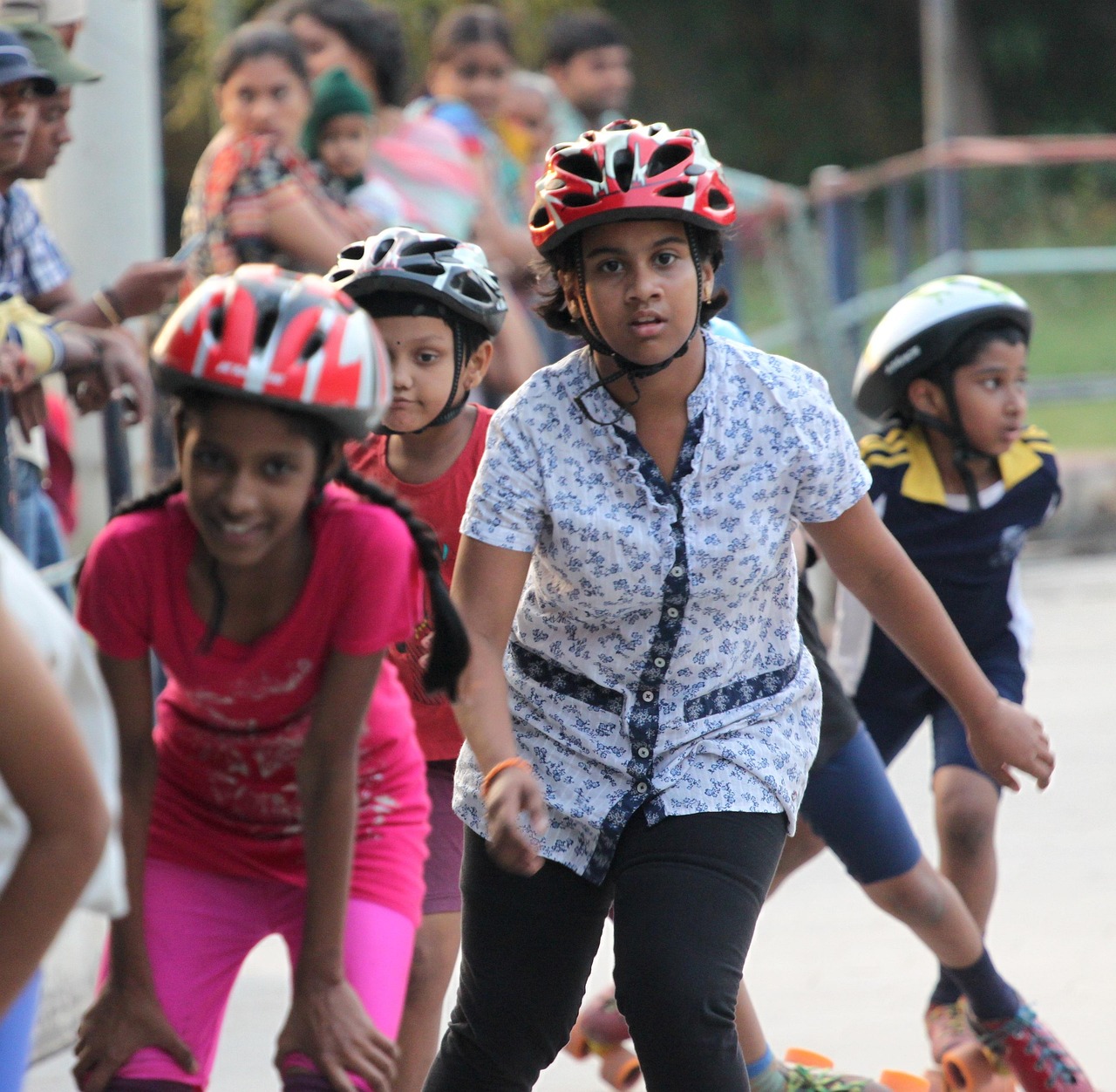

Top 10 Inline Skating Safety Tips for Children
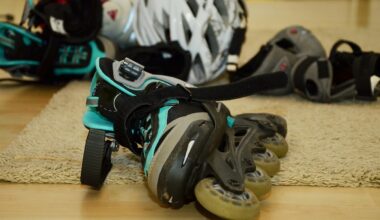
Inline skating is a fun activity loved by many children. To ensure that your child enjoys skating while remaining safe, proper preparation is critical. The first priority is selecting the right gear, starting with a well-fitted pair of inline skates. This includes not only the skates but also protective gear like helmets, knee pads, elbow pads, and wrist guards. All equipment should be adjusted for comfort and security on your child’s body. Additionally, make sure that the safety gear is of quality materials and fits appropriately, which can help prevent injuries. Establish designated skating times in safe indoor or outdoor locations. It’s vital to choose smooth surfaces without cracks or debris, which could pose hazards while skating. Supervise children closely, especially younger kids just learning. Make them aware of their boundaries so they can skate without fear of colliding with others. Encourage children to practice balance and control on skates before venturing into more challenging areas. Overall, primary attention to safety sets a positive precedent for a lifetime of enjoyment in skating activities.
Teach Proper Techniques
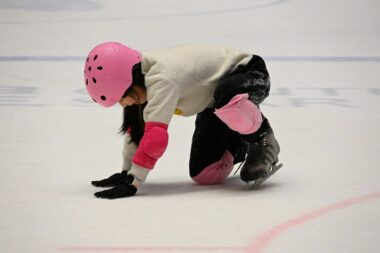
Teaching your child proper skating techniques is essential for safety. Begin with the basics of stopping, turning, and balancing, as these skills can prevent falls and collisions. Emphasize the importance of maintaining a low center of gravity while skating, which can help them control their movements better. Introduce stopping techniques such as the T-stop and the heel brake. Practicing these stops in a safe environment will build your child’s confidence. Encourage them to bend their knees to stabilize their body while skating. Periodic practice sessions focusing on technique can vastly improve a child’s skating abilities, which means fewer accidents. Discuss the significance of being aware of surroundings while skating, as it promotes their decision-making skills. Have them look ahead and avoid obstacles while being aware of other skaters, pedestrians, and vehicles. Skating should not be rushed, and children should be encouraged to proceed at their own pace. Playing games or engaging in challenges can motivate children while reinforcing these skills. Overall, teaching these techniques will equip children with the tools for not only enjoyment but also safety while skating.
Wearing appropriate safety gear is essential for minimizing injuries while inline skating. Ensuring that your children wear roller-skating helmets, knee pads, elbow pads, and wrist guards can significantly reduce the risk of serious injuries. Helmets should fit snugly and be fastened securely to provide adequate protection. Make it a fun challenge for kids to decorate their helmets, encouraging them to wear them consistently. Proper pads should be put on before the skating session begins. These items must be tested for comfort, flexibility, and secured firmly to avoid sliding off in case of falls. Discuss with your child how each piece of gear provides protection, which helps the child value safety measures. Consider taking a trip to a local sports store to let the child choose their gear, instilling a sense of ownership. Ensure that the gear is not only protective but also stylish and appealing, as kids are more likely to wear what they find cool. Regularly check the equipment for any damage or wear and replace items when necessary. Follow this guideline to instill a culture of safety that prioritizes protection while having fun.
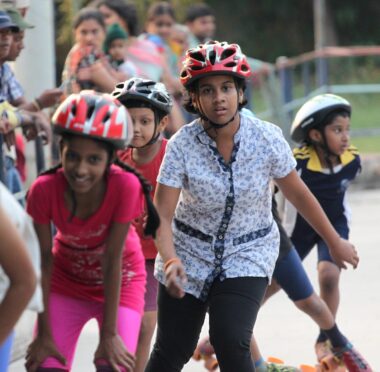
Always supervise children while they skate, particularly younger and less experienced skaters. Adult supervision provides a secure environment to help prevent accidents and injuries. When children are skating, they may not recognize risks or dangers in their environment immediately. As an adult, you can give them cues and suggestions to enhance their skating experience while ensuring their safety. Consider joining them during skating sessions, which creates a bonding opportunity while demonstrating proper skill techniques. Encourage peer group skating sessions, making it fun for them while maintaining safety. Explain the importance of choosing safe places for skating together. Parks, rinks, or low-traffic areas are ideal locations where kids can practice skating without the risk of busy streets. Stress the value of respecting other skaters and pedestrians. Make rules such as taking turns and allowing space between skaters to avoid injuries. Equip children with clear understandings of their surroundings and how to react in different scenarios. Take the time to explain safety guidelines, including the dangers of trying tricks without supervision. With responsible adult presence, children can skate confidently and joyfully.
Know When to Take Breaks
Inline skating can be physically demanding, so it is crucial for children to know when to take breaks. Fatigue can lead to accidents, as tired skaters may not react as quickly to changing circumstances. Establish the understanding with your child that taking breaks is just as important as the fun of skating. Schedule regular intervals of rest, which will help replenish their energy and enthusiasm. During the breaks, check in on their comfort level. Ask them if they are feeling physically well and agile. If they complain of aching limbs or feel strained, encourage them to take a longer break. Provided hydration is vital, so remind then to drink water at these intervals to avoid dehydration. Make this break time enjoyable by discussing what they love about skating, sharing goals, or laughing together. Create simple group challenges like racing to a specific point or completing a small skating circuit, allowing them to understand when to throttle their skills while enjoying the sport. All these practices help instill a love for the sport while maintaining an emphasis on well-being.
Teaching children proper awareness of their surroundings while skating is fundamental for preventing accidents. Children should understand the importance of looking around and being conscious of their environment while on skates. Encourage your little ones to scout the area before starting. Make it a habit to check for pedestrians, other skaters, or potential obstacles. Educating them about danger signs is also crucial, such as vehicles, curbs, and slippery surfaces. They must learn to communicate verbally with other skaters by signaling intentions while they maneuver around obstacles. In scenarios where accidents might occur, emphasis should be placed on quick reaction time and fluid movement. For example, small games like ‘Simon Says’ can teach awareness while skating. Choose safe spaces to set up these exercises, not just to enhance safety but to instill essential lessons. Watching videos or discussing situations that require cautious skating can also reinforce these lessons. Instilling these practices will help children make better decisions when they skate, providing a significant advantage as they progress into more challenging environments.
Conclusion
In conclusion, inline skating can be an extremely rewarding and enjoyable activity for children, provided that safety measures are taken seriously. Following the tenets of protective gear wearing, technique mastery, and regular supervision fosters a foundation for safe skating experiences. Understanding the necessity of breaks as well as maintaining awareness of surroundings sharply reduces the likelihood of injuries. Encourage communicative respect among peers and establish a community of skaters prioritizing safety. Involving children in discussions about the importance of safety and encouraging them to take ownership of their gear creates accountability. Parents and guardians should actively engage in skating to reinforce skill and safety practices while forming lasting memories with their children. Remind children that a positive and safe skating environment allows embellishing their skills and confidence. It is ultimately about immersing oneself in an activity that promotes physical health and social interaction. With these guidelines in mind, you can provide an enriching skating experience for your child, instilling values that transcend skating. Make each skating session an adventure where safety and enjoyment go hand in hand.