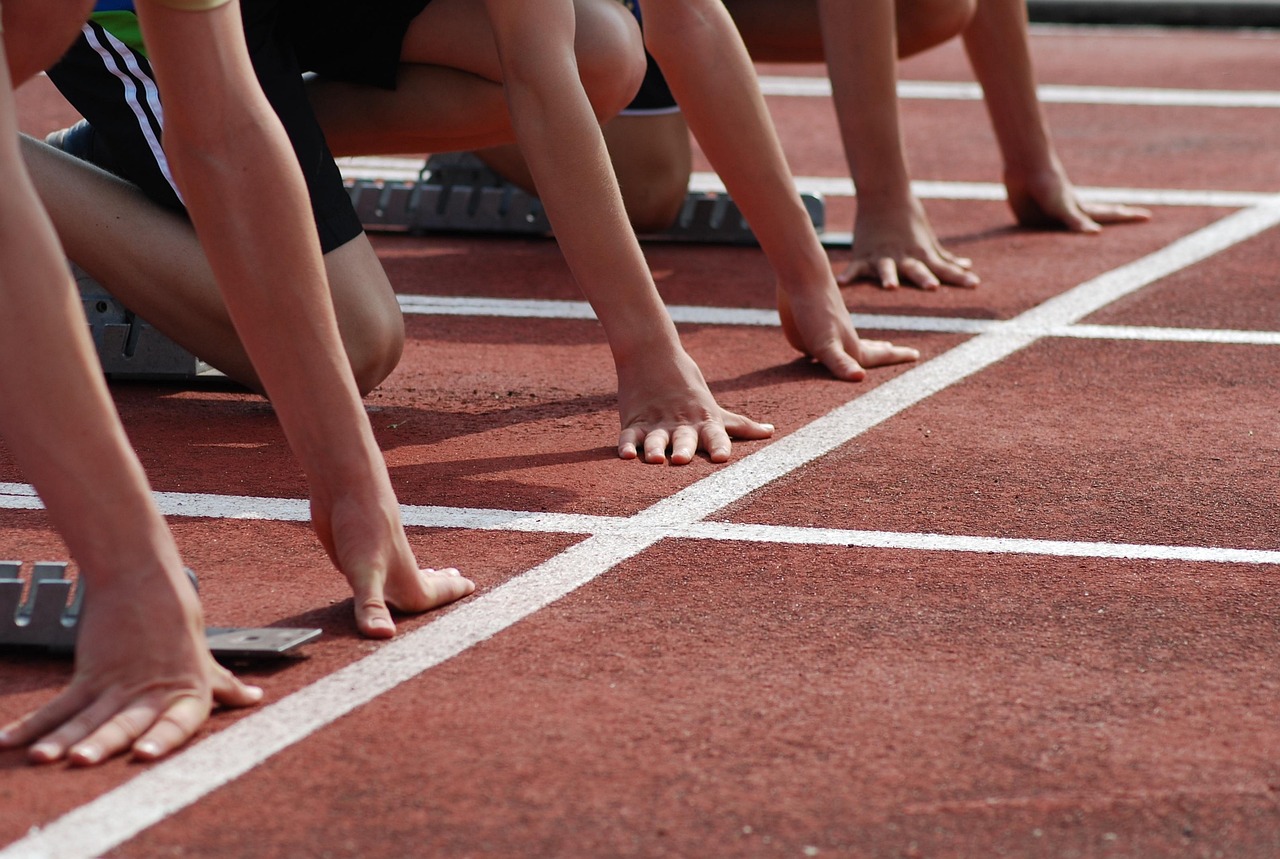

Analyzing Vertical and Horizontal Forces in Track and Field Events
Biomechanics plays a crucial role in understanding the mechanics of human movement, particularly in sports like track and field. The analysis of vertical and horizontal forces allows athletes to optimize their performance. By studying how these forces interact, coaches can tailor training programs to improve speed and efficiency. Each track and field event requires different applications of these forces, affecting the athletes’ techniques. Vertical forces primarily influence events such as high jump and pole vault, where elevation is key. In contrast, horizontal forces are significant in sprints and long jumps, where propulsion is essential. Therefore, understanding both vertical and horizontal kinetics can enhance an athlete’s competitive edge. Kinetics, the study of the forces involved in movement, helps reveal how athletes can harness their body weight and momentum. The next step in this analysis involves precise measurement techniques to gather data on force production. This data leads to insights into biomechanics, showing how athletes can conserve energy while maintaining speed. Effective coaching strategies utilize this information, guiding athletes toward improved performance in competitive settings.
In track and field events, the interaction between vertical and horizontal forces significantly influences overall performance. Every athlete’s body generates these forces differently, based on individual biomechanics and techniques. For instance, sprinters coordinate leg drive and arm movements to produce optimal horizontal force during acceleration. By maintaining proper posture, they ensure maximum force is directed forward. Conversely, vertical forces dominate in events like the long jump, where athletes must elevate their center of mass. Understanding the relationship between these forces helps athletes minimize energy wastage. Effective training programs focus on strengthening key muscle groups related to these forces, including the quadriceps, hamstrings, and calves. Additionally, plyometric exercises can enhance explosive strength, crucial for improving take-off power. Coaches often employ video analysis to capture an athlete’s movements, providing visual feedback that aids technique refinement. An athlete’s effective take-off angle is vital for maximizing vertical lift, while sprint techniques must ensure optimal horizontal force application. These elements are critical, especially before major competitions, where slight adjustments can result in significant performance improvements. Comprehensive performance analysis enables athletes to fine-tune their skills, increasing their chances of achieving personal bests.
To optimize performance in track and field, understanding the physics of projectile motion applies directly to the athlete’s actions. When an athlete jumps or sprints, they become a projectile influenced by gravity and horizontal force. Calculating the optimal angle of take-off maximizes the distance or height achieved. In the long jump, for example, the ideal take-off angle is typically around 20-25 degrees, balancing vertical height and horizontal distance. Accurate analysis of these angles allows athletes to adjust techniques effectively. Additionally, while airborne, the posture and shape an athlete maintains significantly impact overall performance. Techniques that enhance lift, such as drive phases in the jump, aid in optimizing the forces acting during flight. Athletes can utilize wind-tunnel testing to understand how air resistance affects their motion. Real-time feedback using sensors quantifies force production, enabling real-time adjustments during training. Incorporating strength and conditioning that focuses on explosive power builds the necessary muscle fibers, contributing to improved horizontal and vertical motions. Therefore, biomechanical analysis in track and field is essential for developing better strategies to achieve peak performance at competitive events.
Using Technology in Performance Analysis
Modern technology has transformed the way biomechanics is analyzed in track and field. With the integration of sophisticated motion capture systems, athletes can receive precise feedback on their movements. These systems track body mechanics, allowing for detailed examination of vertical and horizontal forces during events. Moreover, wearable devices like accelerometers and pressure sensors provide valuable data regarding force application and distribution throughout the performance. This technology empowers coaches and trainers to evaluate technique and adjust training regimens based on objective data. High-speed cameras can capture athlete movements for slow-motion analysis, revealing minute techniques that may lead to improvement. Utilizing software that calculates force vectors during jumps further enhances understanding of kinetic elements affecting performance. Another crucial point is the psychology of athletes, as understanding biomechanics ensures mental preparedness alongside physical training. Furthermore, simulations and virtual reality environments create engaging training sessions that help athletes experience competition scenarios without the associated risks. By adopting these technologies, athletes gain insights into maximizing their performance. Hence the combination of biomechanical analysis and advanced technology leads to superior outcomes in track and field athletics.
Improving athlete performance in track and field necessitates a multifaceted approach that combines strength training and technique optimization. Coaches must consider the individual athlete’s biometrics to create tailored training plans that develop both force application and speed. Specific drills focused on explosive power can enhance performance in both vertical and horizontal plane activities. For vertical disciplines, exercises that strengthen the legs, such as squats and box jumps, prepare athletes to exert greater force against the ground. These exercises enhance the athlete’s ability to convert potential energy into vertical lift. For horizontal events, sprint drills emphasizing form, stride length, and frequency contribute to higher velocity. Maximizing horizontal force production involves training to improve leg turnover rate. Plyometric techniques, such as bounding and hopping, enhance the neuromuscular response, essential for explosive starts and jumps. Additionally, flexibility and mobility exercises contribute to optimizing biomechanics, ensuring the athlete can reach their fullest athletic potential. Consequently, incorporating nutritional strategies that support energy levels, recovery, and muscle repair is critical. All these factors converge, equipping athletes to achieve their best performance through effective biomechanical training.
Environmental Factors in Biomechanics
Environmental conditions profoundly impact the biomechanics of track and field events. Wind resistance, field surface, and weather play significant roles in determining performance outcomes. For instance, a headwind can hamper a sprinter’s speed, necessitating adjustments to their technique to counteract this resistance. Conversely, a tailwind can enhance performance if utilized correctly, as it aids propulsion. Understanding how to adapt to these variables is vital for athletes competing outdoors. Furthermore, the type of track surface, such as rubber or grass, influences force absorption during foot strikes. Athletes may perform better on surfaces optimized for their event. Additionally, humidity and temperature can affect athletes’ stamina, altering muscle performance and recovery rates. Coaches must account for these environmental variables while developing competition strategies. Proper warm-ups and adaptations strengthen athlete readiness for varying weather conditions, ensuring peak performance regardless of the setting. Athletes may utilize specialized gear to combat adverse conditions, enhancing grip or aerodynamics. Knowledge of these factors allows athletes and coaches to devise strategies to optimize performance, resulting in improved results during competition under various conditions.
Understanding the biomechanics of track and field events involves ongoing research to refine techniques further. Biomechanics researchers consistently investigate how force application can be optimized through various training methodologies. Studies have shown that variables such as ground reaction forces, along with athlete mass and speed, are interconnected and essential for performance analysis. These investigations help solidify foundational principles in sports science, leading to better coaching practices. Continuous advancements through research lead to improved training protocols, injury prevention strategies, and enhanced athlete conditioning. Insights drawn from biomechanical analysis enable athletes to understand their limits while pushing the boundaries of performance further. Injury risk reduction through strength training while considering biomechanics is crucial for long-term athletic success. Increased muscle resilience allows athletes to withstand the stresses imposed during competition. Regular assessments utilizing biomechanical data further assist in identifying and correcting fundamental flaws in technique that could lead to injury. Thus, ongoing research and collaboration between biomechanists, coaches, and athletes are paramount. Through all these efforts, athletes can achieve stellar performances while minimizing risks associated with high-level competition, paving the way for future successes in track and field events.
Ultimately, the continuous synergy between biomechanics and performance in track and field is essential for athlete development. Understanding the balance between vertical and horizontal forces allows for targeted training regimens that yield improved outcomes. Coaches can leverage biomechanical data for strategic planning, implementing methodologies that optimize every athlete’s unique potential. Athletes, on the other hand, gain essential insights into how their body functions optimally, promoting a better understanding of their mechanics. This knowledge translates into improved technique, reduced injury risk, and enhanced performances. In competitive scenarios, the greatest performers are often those who can effectively apply biomechanical principles consistently. Advancements in technology and research contribute significantly to a better understanding of biomechanics and its application in sports. As these concepts continue to evolve, athletes and coaches alike should remain abreast of the latest findings. Collaboration between various expertise ensures that the latest innovations in biomechanics are translated into practice effectively. Consequently, applying biomechanics knowledge serves as a guideline for aspiring athletes and helps elite competitors maintain their edge in competition. Understanding the interplay between forces harnesses the potential to achieve remarkable results on track and field venues.