
Balancing Fiber Intake Without Compromising Athletic Performance
Athletes require optimal nutrition to maintain performance levels. When considering plant-based diets, attention to fiber is crucial. Fiber aids in digestion and overall health, helping to manage weight and cholesterol levels. However, too much fiber can lead to gastrointestinal discomfort, which may impede athletic performance. Striking a balance is essential, as a high-fiber intake can also hinder rapid energy availability needed during performance activities. Sources of fiber from whole grains, legumes, fruits, and vegetables provide key nutrients. Athletes must gauge their digestion, managing fiber intake to ensure it supports their energy needs rather than detracting from them. A strategic approach should be adopted, focusing on fiber types and timing. Keeping track of how your body reacts to certain fiber-rich meals can help refine your dietary choices. Additionally, blending fiber sources can create a tailored approach that enhances your diet without overwhelming your digestive system. The primary goal is to optimize performance without sacrificing gut health, which is imperative for any athlete. Understanding individual responses to fiber can render optimal results in training and competition outcomes, thus reinforcing the importance of a well-rounded, plant-based nutrition plan.
Successful athletes often leverage a combination of high-quality carbohydrates, proteins, and fats to fuel their workouts. Incorporating plant-based proteins can offer a robust alternative to animal-based options, providing necessary amino acids vital for muscle recovery. Legumes, quinoa, and nuts are excellent protein sources that can complement a high-fiber diet. Balancing protein intake while maintaining fiber levels is important to prevent digestive strain. Consuming protein-rich foods spread throughout the day can promote sustained energy without overwhelming digestion. Competing with sufficient protein will help preserve muscle mass, especially during strenuous training sessions. Nutritional timing plays a pivotal role. Consuming protein post-workout aids recovery, but ensure it’s accompanied by gentle fiber to avoid gastrointestinal stress. Smoothies serve as versatile meal options where protein powder can be paired with fruits or vegetable pulp, achieving the required nutrient and fiber balance. Moreover, exploring various preparation methods can improve nutrient assimilation and palatability, providing an enjoyable and nutritious experience. Finally, being aware of individual tolerance to different fiber types can greatly assist in maintaining performance while enjoying the benefits of a plant-based diet.
Nutrient Timing and Macronutrient Ratios
Nutrient timing is vital for maximizing performance in athletes, especially those following a plant-based diet. Time your meals strategically to maintain energy levels and optimize recovery. Building your pre-workout meals with easily digestible carbohydrates can provide crucial fuel. Consider options like oatmeal, bananas, or energy bars that are lower in fiber and easier on the digestive system. Post-exercise, athletes should focus on replenishing lost nutrients. Quick sources of protein, added to a smoothie, can drive muscle recovery. Using plant-based protein powder can provide the required post-workout protein intake without overwhelming fiber levels, allowing your body to recover efficiently. Finding a suitable macronutrient ratio—those comprising carbohydrates, proteins, and healthy fats—also enables performance optimization. A common approach comprises 60-70% carbs, 15-25% proteins, and 15-20% fats, though individual needs differ. Monitoring how your body reacts to different ratios throughout various training phases can provide valuable insights. Remembering to stay hydrated aids nutrient absorption and metabolic processes, completing the cycle of nutrition and performance enhancement. Achieving a perfect nutrient balance leads to optimal athletic performance and health.
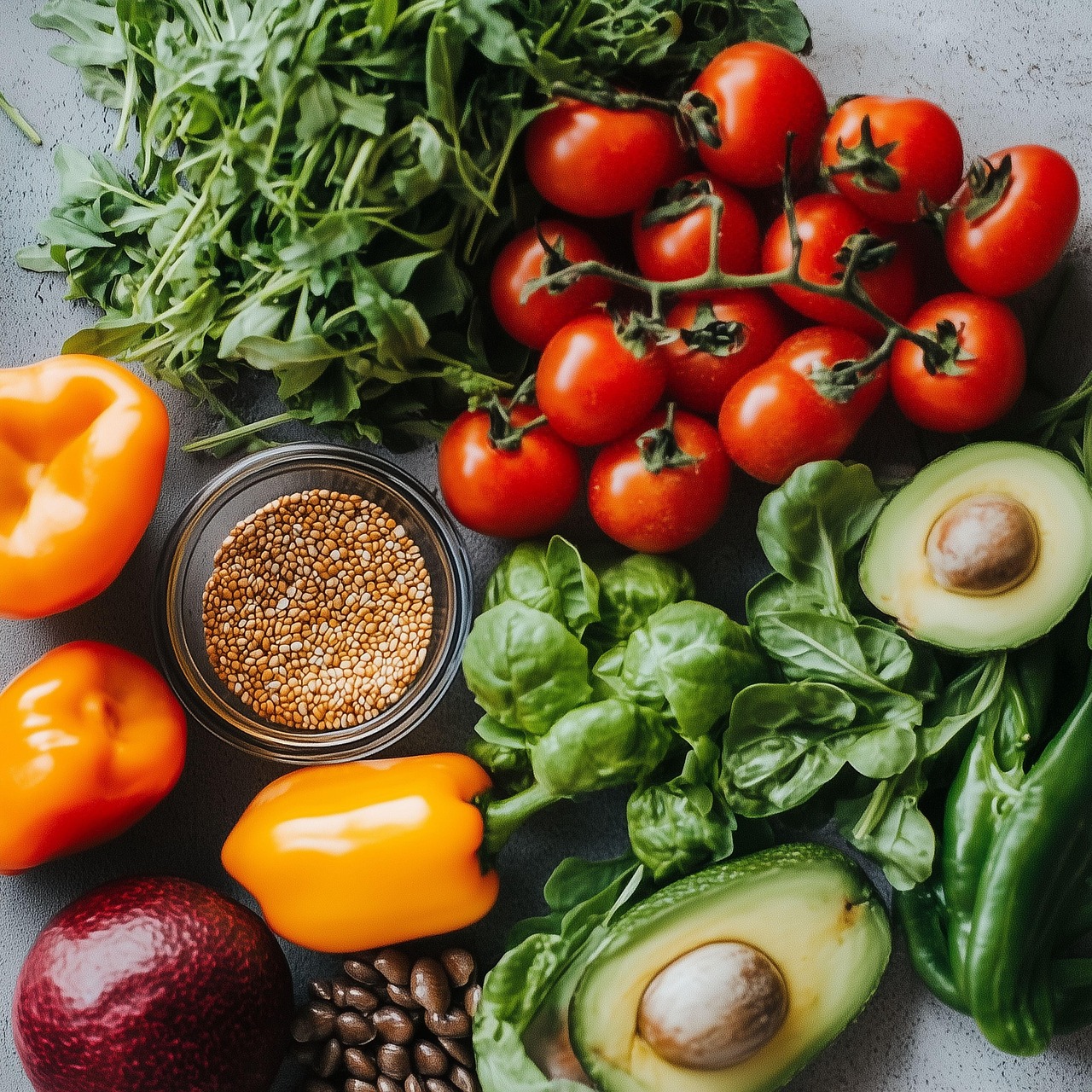
Incorporating a variety of colorful fruits and vegetables can enhance nutrient density in your diet. Producing naturally occurring antioxidants and phytochemicals, these foods not only provide essential vitamins but also foster recovery and immune system support. However, it is critical to balance these with fiber content to ensure optimal digestion. Fruits such as berries or bananas provide quick energy without excessive fiber overload, making them ideal pre-workout snacks. Meanwhile, leafy greens and other high-fiber vegetables deliver essential nutrients but should be consumed in moderation around training times to avoid discomfort. Adapting cooking methods like steaming or sautéing can help reduce fiber’s impact while still allowing consumption of these vital food sources. Consider preparing grab-and-go snacks, such as energy balls made with oats and nut butter, to ensure accessibility during busy training days. Engaging with plant-based cooking classes or resources can also inspire creativity, encouraging variety in meal options. Ultimately, maintaining a balance in recovering from workouts is essential for athletes, especially those on plant-based regimens. The right approach helps create a deep nutritional foundation necessary for optimal performance.
Practical Considerations for Meal Planning
Meal planning offers athletes a pathway to achieve balanced nutrition while adhering to a plant-based lifestyle. Start by organizing weekly menus, highlighting meals with varying fiber content and nutrient profiles. Consider batching cooking grains, legumes, and proteins such as tempeh, making it easier to assemble mid-week meals. Efficiently preparing meals in advance saves time and ensures proper nutrition intake during busy training schedules. Each meal should incorporate balanced macronutrients, pairing carbs with greens and proteins while keeping fiber in check. Preparing nutrient-dense, fiber-reducing smoothies for extra energy can be valuable, especially pre- or post-training times. Make use of organizational tools such as apps or meal planners to simplify your approach to daily nutrition, tracking nutrient intake effectively. Regularly assess the impact of different meals on your athletic performance, tailoring your choices according to your training regimen. Additionally, listen to your body’s feedback on digestion, adjusting meal components as necessary. Engaging with nutritionists or fellow athletes can provide insights and ideas for meal optimization, enhancing overall performance.
Maintaining flexibility in your diet is key to avoiding burnout in meal plans. Financial factors frequently come into play, with some plant-based food options being more expensive than others. Seek seasonal fruits and vegetables that offer the best value and nutritional benefit to help cut food costs. Be resourceful in your kitchen, creating budget-friendly meals with staple ingredients like beans, lentils, and frozen vegetables. They maximize nutritional support without overloading on fiber. Importantly, follow current trends in plant-based nutrition to ensure access to essential nutrients while you balance fiber content. Joining community groups focused on plant-based athletes can provide invaluable resources, recipes, and innovative meal ideas. Consider exploring local farmers’ markets to source fresh produce, which improves accessibility and variety. Additionally, connecting with others can lead to shared resources and tips for budgeting during meal prep. Ultimately, sustaining an adaptive mindset allows for successful dietary adherence while enjoying the diverse culinary benefits of plant-based eating. Focus on maintaining variety and balance in your meals to foster optimal performance.
Conclusion and Recommendations
In conclusion, achieving a successful balance of fiber intake while promoting athletic performance can be effectively accomplished through diligence and flexibility. Prioritizing whole foods can provide significant health benefits, while being mindful of fibrous content promotes better digestion and performance. Remember to track individual responses to different food combinations to find what works best for you as an athlete. Engage in meal planning and preparation to ensure timely access to optimal nutrition. Regularly consult with nutrition professionals or coaches for tailored advice, personalizing dietary strategies that align with your training regimes. Moreover, monitor your performance and recovery to adapt as necessary; nutritional needs may fluctuate throughout training cycles. Utilize resources such as community forums, nutrition apps, and local sources to diversify meals. This allows you to connect with fellow athletes adopting similar diets and share experiences. A well-rounded, plant-based nutrition approach lays the groundwork for heightened athletic success, ensuring that dietary choices actively support performance. Ultimately, the intersection of plant-based nutrition and athletic demands is achievable with thoughtful management and consistent adaptation.
This is an additional concluding paragraph with the closing thoughts, emphasizing the importance of networking with other athletes and continuing education on meal preparation as a guideline for success.