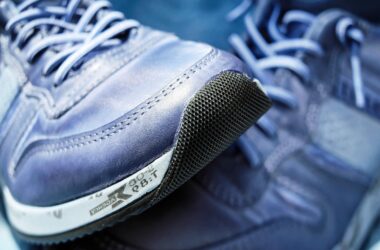

Historical Milestones in OCR Footwear Technology
The journey of obstacle course racing (OCR) footwear technology began with rudimentary designs that aimed to provide minimal traction and support. In the early days, most athletes used standard running shoes, which were ill-equipped for the rugged challenges of OCR courses. The first significant shift occurred in the 2000s, with the introduction of specialized shoes that featured better grip. These innovations were primarily driven by the increasing popularity of OCR events. Shoe manufacturers began to recognize the need for technology that could withstand mud, water, and extreme terrain. The incorporation of lightweight materials became paramount as athletes sought comfort alongside durability. In addition, advancements in shoe designs began to focus on enhancing the stability of runners, helping them maintain their performance even in challenging conditions. The evolution of OCR footwear continued with the introduction of water drainage systems that allowed shoes to dry quickly, keeping the weight down during competition. Several brands emerged, each competing to innovate in traction and comfort. The collaboration with elite OCR athletes led to more refined designs, proving that the right footwear could significantly improve performance and safety on obstacle-heavy courses.
The Evolution of Materials
With the continuous growth in OCR popularity, manufacturers started experimenting with new materials that would tackle the unique challenges faced in obstacle racing. Traditional materials such as cotton and nylon were inadequate for outdoor conditions, which led brands to innovate with more advanced textiles. Synthetic materials like Gore-Tex were introduced for their waterproof qualities while remaining breathable. This development marked a pivotal moment for OCR footwear, allowing athletes to conquer obstacles without compromising comfort. The use of reinforced rubber outsoles provided better grip and durability, crucial for navigating unpredictable terrains. Companies also began to integrate foam technologies, which offered better cushioning. Changing the shoe’s design became essential; the drop, heel, and midsole adjustments were tested until the optimal configurations emerged. Moreover, the importance of flexibility was emphasized, with shoes designed that could adapt to foot movements, enhancing the athletes’ performance. This flexibility not only improved agility on obstacles but also reduced the risk of injuries. These advancements in materials and design have collectively transformed OCR footwear into specialized equipment that is more aligned with athletes’ needs, allowing for better overall performance.
As OCR expanded globally, footwear technology saw increased emphasis on sustainability. The environmental impact of manufacturing processes prompted many brands to rethink their approaches. Companies began exploring recycled materials and eco-friendly production methods. Notably, some footwear brands started integrating sustainable practices in their development processes, which resonated with environmentally conscious athletes. This shift toward sustainable footwear technology not only promoted a positive ecological impact but also aimed to boost brand loyalty among consumers aware of environmental issues. Research into bio-degradable materials that provide both performance and longevity became a focal point within companies. Moreover, the concept of circular manufacturing, where shoes could be designed for recycling at the end of their lifecycle, gained traction. Consequently, as more athletes committed to sustainable practices, footwear options began to diversify. This ongoing evolution represented a broader trend in sports apparel, where ecological considerations align with technological advancements. Enhanced traction and durability now coexisted with a conscientious approach to waste, appealing to modern racing participants. Striking a balance between performance and sustainability has now become a hallmark of OCR footwear innovation, marking the start of a new era.
Integration of Technology and Data
Technology’s role in enhancing OCR footwear has been a transformative shift impacting performance. The incorporation of smart technology into footwear began with the launch of shoes equipped with sensors that analyzed running metrics. These technological advancements provided athletes with valuable insights into their biomechanics, allowing them to fine-tune their performance strategies. In addition, the data collected through these sensors aided in discovering how different surfaces influenced running efficiency and foot impacts. As athletes learned more about their movements, footwear adaptations were made to cater to specific needs. This information also sparked innovation as experts began designing shoes that would react more effectively to varied terrain, ensuring optimal performance under different conditions. Furthermore, many brands partnered with tech companies to develop apps that tracked performance metrics in real-time. Therefore, the integration of technology has become pivotal in creating footwear that not only meets the physical demands of OCR but also keeps athletes informed about their performance, ultimately enhancing their competitive edge. The future of OCR footwear technology stands at an intersection of performance and data-driven design, promising exciting advancements to come, all aimed at elevating the sport.
Advancements in footwear technology for OCR have also led to improved injury prevention strategies. The shoes available today offer better arch support, which is essential for reducing common foot injuries among runners. Enhanced cushioning systems are designed to absorb shock, providing comfort without sacrificing responsiveness. Moreover, the latest shoes incorporate features that stabilize the feet during progression, reducing the risk of sprains or falls. Athletes are increasingly aware of the importance of choosing proper footwear that addresses their specific biomechanical needs. In addition, manufacturers are focusing on personalized fit, utilizing 3D scanning technology to create custom insoles. These innovations ensure that the footwear effectively supports runners’ feet during the high-impact and dynamic movements encountered on obstacle courses. Specialized lacing systems that provide a tailored fit have also emerged, allowing athletes to secure their shoe comfortably without sacrificing flexibility. Consequently, enhanced injury prevention measures in OCR footwear technology contribute significantly to athlete safety and performance sustainability. As the sport grows, manufacturers will continuously revisit these safety features to keep up with the evolving needs of OCR participants, ultimately emphasizing the importance of footwear in ensuring a successful racing experience.
Market Trends in OCR Footwear
The OCR footwear market has experienced rapid growth as more individuals participate in this thrilling sport, leading to diverse consumer demands. Market trends indicate that participants are not only looking for functionality but also style and personality in their footwear. This trend has prompted brands to release vibrant and innovative designs that appeal to various demographics. Collaborations with influencers and elite athletes encourage a more authentic connection between consumers and products. As a result, marketing strategies have evolved, focusing on showcasing performance, versatility, and aesthetic appeal within the same shoe. Social media plays an essential role in promoting these trends, giving athletes a platform to share their experiences and highlight gear’s importance. Additionally, the growing participation of women and youth in OCR is shaping product development strategies, leading to the creation of inclusive designs that cater to diverse needs. To stay competitive, brands are investing in research and development, refining footwear technology while adapting to consumers’ visual preferences. The fusion of comfort, performance, and style in OCR footwear ensures brands can meet the expectations of the growing market, ultimately driving future innovations.
Looking to the future of OCR footwear technology, it is evident that continuous evolution lies ahead. With ongoing advancements in materials, design, and technology, the next generation of footwear aims to further enhance athlete performance significantly. Research focusing on optimizing traction and cushioning technologies promises to deliver shoes that better adapt to various conditions. Additionally, the development of lightweight, breathable materials will not only improve performance but also add to overall comfort during intense races. On the horizon, multifunctional features such as adaptability to varied terrains and improved drainage systems could soon become standard in OCR footwear. The potential for customization through digital technology is also exciting. Athletes may soon be able to tailor their footwear specifications based on real-time feedback from races, enhancing fit and performance. As the sport continues to grow globally, collaborations between manufacturers and athletes will be crucial in identifying new trends and meeting emerging demands in OCR footwear technology. This collaborative approach ensures that innovations are aligned with the needs of racers, fostering advancements that improve the overall OCR experience. The commitment to innovation and performance will likely define OCR footwear technology in the next decade.
The historical milestones in OCR footwear technology reflect the evolution and adaptation driven by the sport’s demands. The ongoing development of specialized footwear not only addresses practical needs but also elevates the competitive experience for all participants. As the industry evolves, the emphasis will remain on creating innovative solutions aimed at enhancing performance. The culmination of skilled craftsmanship and technology will dictate the future of OCR footwear, propelling the sport forward. Continuous feedback from athletes will guide manufacturers toward trends that shape the market. Furthermore, the sustainability movement will play a crucial role in influencing production processes alongside product performance. This ongoing dialogue between innovation and environmental responsibility will sharpen the focus on technology that benefits both the individual athlete and the planet. As we look forward, the milestones achieved in OCR footwear history serve as a foundation for even more groundbreaking advancements to come. The amalgamation of sport dynamics and technological capability promises a future that brings exciting opportunities for athletes seeking new challenges within OCR. With each stride, OCR footwear technology will likely evolve and adapt to keep pace with the challenges presented by obstacle racing.