
How to Improve Balance and Control on Your Skateboard
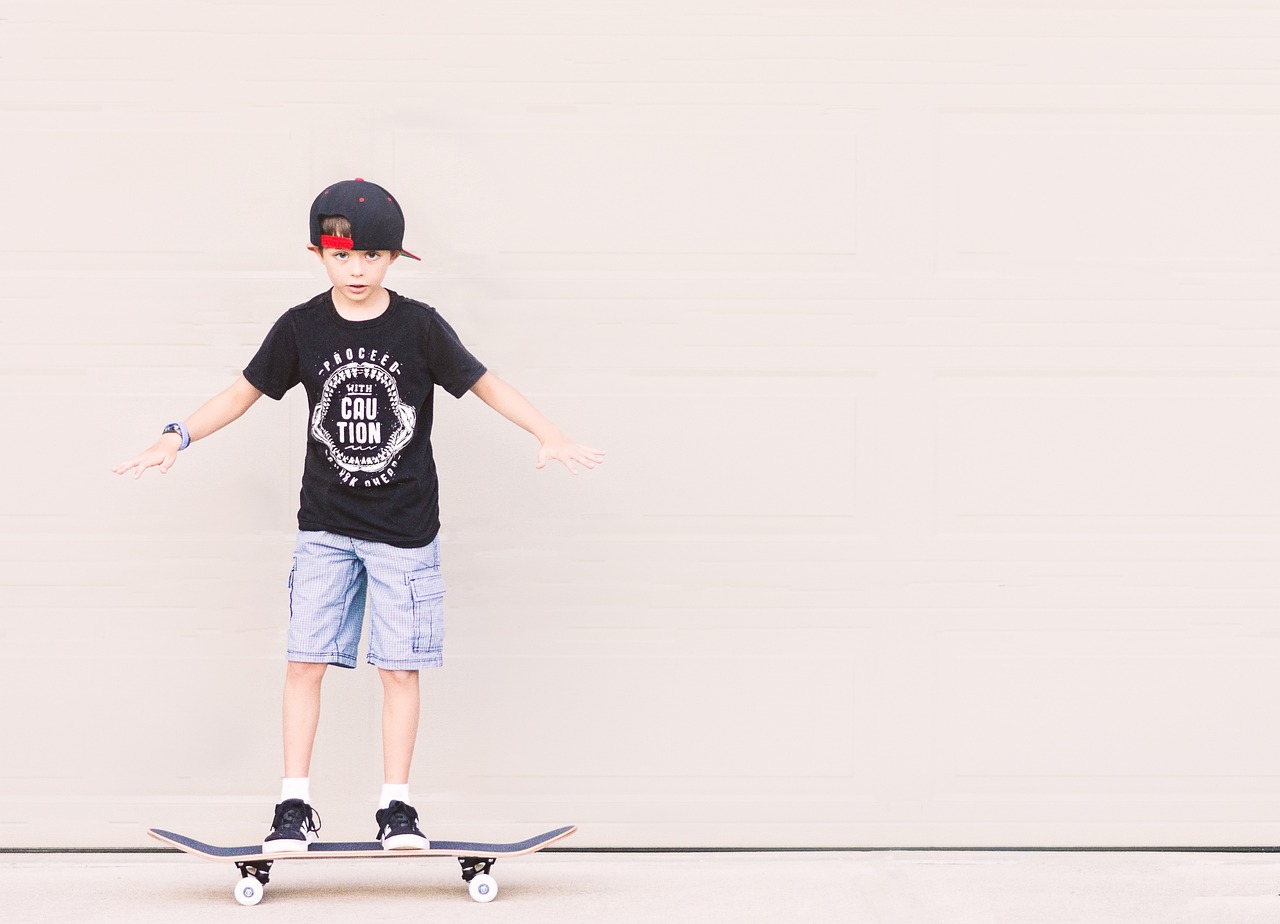
Skateboarding is an exciting sport that demands significant balance and control. When you step onto your skateboard, experiencing wobbles or instability is common. To combat this, begin by practicing various stances. Regularly shifting your weight can significantly enhance your overall equilibrium. Start by placing your feet in different positions to find what feels most stable for you. Next, use your core muscles; they play a crucial role in maintaining balance. Engage in exercises like planks to build your core and strengthen muscles that keep you centered. Additionally, practice on flat surfaces first, gradually increasing the difficulty as you become comfortable. This gradual approach helps develop muscle memory and confidence. Consider riding on different terrains too; practicing on rough patches or slight inclines can further enhance your skill set. Lastly, don’t forget the importance of safety gear. Helmets, wrist guards, and pads are essential for minimizing injury risks as you practice balance techniques. Remember, progress might be slow, but persistent practice will lead to notable improvement. So embrace your passion, keep trying, and enjoy the journey to better balance and control.
Skateboarding requires both anatomical understanding and experiential learning. Bone structure affects how you stand while skateboarding, influencing control. To enhance balance, utilize strength training exercises that target your legs, wrists, and core. Building foundational strength will aid stability and promote effective movement. Work on exercises like squats and lunges to prepare your body for skateboarding demands. Try single-leg stands or balance boards to simulate the movements experienced on a skateboard. Additionally, flexibility is vital for achieving fluid motion. Incorporate stretches into your daily routine to improve your range of motion. Improved flexibility, particularly in your ankles and hips, promotes better balance while riding. Furthermore, practice mindful rolling; this involves consciously focusing on your movements as you ride. The more aware you become of your actions, the better your control will be. Seek out a local skate park; there are often various terrains and ramps that can help you explore balance and control. Make it a point to observe experienced skaters—gather insights into their techniques and approaches to riding. Learning from others can provide inspiration, making you eager to implement new methods in your practice.
Practicing Balance Techniques
Implementing basic balance techniques when skateboarding can lead to substantial improvements. A great way to start practicing is to ride slowly down a gentle slope. This encourages you to focus on your center of gravity, a crucial aspect of maintaining balance. Gradually build your speed, and use the sensation of inertia to improve your control. Control involves maintaining light contact with the board. Finding the right stance may take some experimentation. Create a visual checklist for what balance looks like for you; monitor your shoulder alignment and foot placements consciously. Engaging with this checklist during practice can significantly boost awareness. Moreover, try riding on one foot or practicing short manual tricks that require maintaining balance on the board. Variability is important; the way you practice should adapt to changing conditions. Consider challenges like riding with varying weights in your pocket or adjusting your posture. These challenges will mimic real-world scenarios you might face when riding on streets or parks. The key is to keep challenging yourself in fun and engaging ways. Remember, variation in practice leads to a broader skillset, ultimately what will contribute to your progress.
Incorporating technology can also significantly aid in improving skateboard balance and control. Utilizing action cameras allows for video analysis of your skateboard sessions. Reviewing footage helps in identifying specific areas where balance falters. Noticing slight movements or corrections you’re making subconsciously can lead to targeted improvements. Consider leveraging mobile apps focused on tracking your skating moments; many provide insightful metrics. Make it a habit to analyze these insights regularly, comparing your progress over time. Additionally, online tutorials can provide valuable tips and tricks from experienced skaters. Look for video series dedicated to balance and control techniques; they’re often free and very useful. Joining skateboarding communities can also enhance your practice while connecting with experienced mentors. Engage with local skating groups or forums online to share your experiences and learn from others. Alternatively, participate in organized skateboarding events or classes. These not only provide professional coaching but allow interaction with fellow enthusiasts who share similar challenges. By joining a community, you gain motivation and instant feedback that aids in your personal journey toward improved skateboarding skills.
Nutrition and Recovery
Importance of nutrition cannot be underestimated in your journey as a skater. Proper diet aids in sustaining energy levels, leading to prolonged practice sessions without fatigue. Incorporate protein-rich foods to promote muscle recovery post-training. Lean meats, legumes, and dairy are excellent choices to keep your muscles nourished and functioning. Focus on hydration too; dehydration can negatively impact performance and balance. Always carry a water bottle with you during practice sessions to stay refreshed. Incorporating healthy fats, like avocados or nuts, provides sustained energy, essential during lengthy skateboarding activities. Don’t forget about the importance of adequate rest; your body needs time to recover from physical exertion. Aim for six to eight hours of quality sleep each night to aid recovery and improve focus. Remember that injuries can derail your progress; prioritize self-care routines to mitigate the risk. Techniques like foam rolling can relieve muscle tension and help maintain flexibility. Also, consider engaging in other sports or activities that foster balance; yoga can offer substantial benefits to flexibility and core strength. All in all, maintaining a healthy lifestyle greatly contributes to your overall skateboard performance.
Finally, consistency should be your guiding principle when it comes to skateboarding practice. Regular practice has a cumulative effect on skill acquisition, so carving out time for daily practice will foster improvement. Setting specific goals can help in building a structured approach; determine what you want to improve specifically. Use milestones along the way to visualize progress; breaking down larger goals into smaller, achievable tasks keeps motivation high. Create a weekly schedule that allocates time for practicing techniques. Balancing hard work with fun will lead to longevity in your skating journey. Keep track of your progress, jotting down advancements in a journal or app. Reflecting on your journey not only boosts motivation but highlights the areas needing focus. Don’t shy away from celebrating small victories along the way to keep spirits high. When challenges arise, resilience becomes your best ally. Remember, everyone progresses at their own pace—comparison is the thief of joy. Connect with fellow skaters online or in-person to share experiences, and lean on each other for moral support. With dedication and consistent practice, your balance and control will surely improve over time.
Conclusion
Ultimately, improving balance and control on your skateboard is a multifaceted journey that combines practice, dedication, and awareness. Embrace a versatile approach—engaging both mentally and physically helps fortify your skills over time. Regularly incorporate the techniques discussed throughout this article, keeping your practice varied and enjoyable. After all, skateboarding is not just a sport; it’s an art form that thrives on creativity and expression. Stay committed, lean into the learning process, and adopt a positive mindset. With the right approach, continual growth will accompany your skateboarding journey. Surround yourself with fellow skaters who can offer support and motivation. Feed off their passion and draw inspiration from their techniques and experiences. Document your accomplishments, whether big or small, as achievements worth celebrating. Remember to prioritize safety with proper gear while you embark on this exciting adventure. Improving balance often translates into more confidence, leading to enjoying your skating more. As you practice and refine your skills, expect plateaus; they’re normal and part of any skill development. Enjoy every moment, ride with passion, and let each session bring you closer to mastery.
Lastly, always remember that every skater has a unique journey, and your path will unfold in its distinctive timeline. Celebrate the nuances along the way, embracing the challenges that shape your development. The improvement is often gradual but profoundly rewarding. Through practice and perseverance, you will cultivate a deep connection with skateboarding. It’s more than just balancing on a board; it’s about finding your rhythm and style. Engage in challenges that stretch your limits and discover new potentials within yourself. Skating can forge resilience and discipline while enriching your life with joy and freedom. Always pursue community engagement, nurturing relationships with fellow skating enthusiasts. Through collaboration and shared experiences, everyone grows together. Break free from any doubts regarding your abilities; skateboarding is about self-expression. Allow every ride to inspire you; let it be the canvas for your creativity. As you develop these skills over time, the balance and control you gain will reflect in every part of your skateboarding journey. So gear up, hit the pavement, and remember—each flip or trick is a step closer to mastering the art of skateboarding.