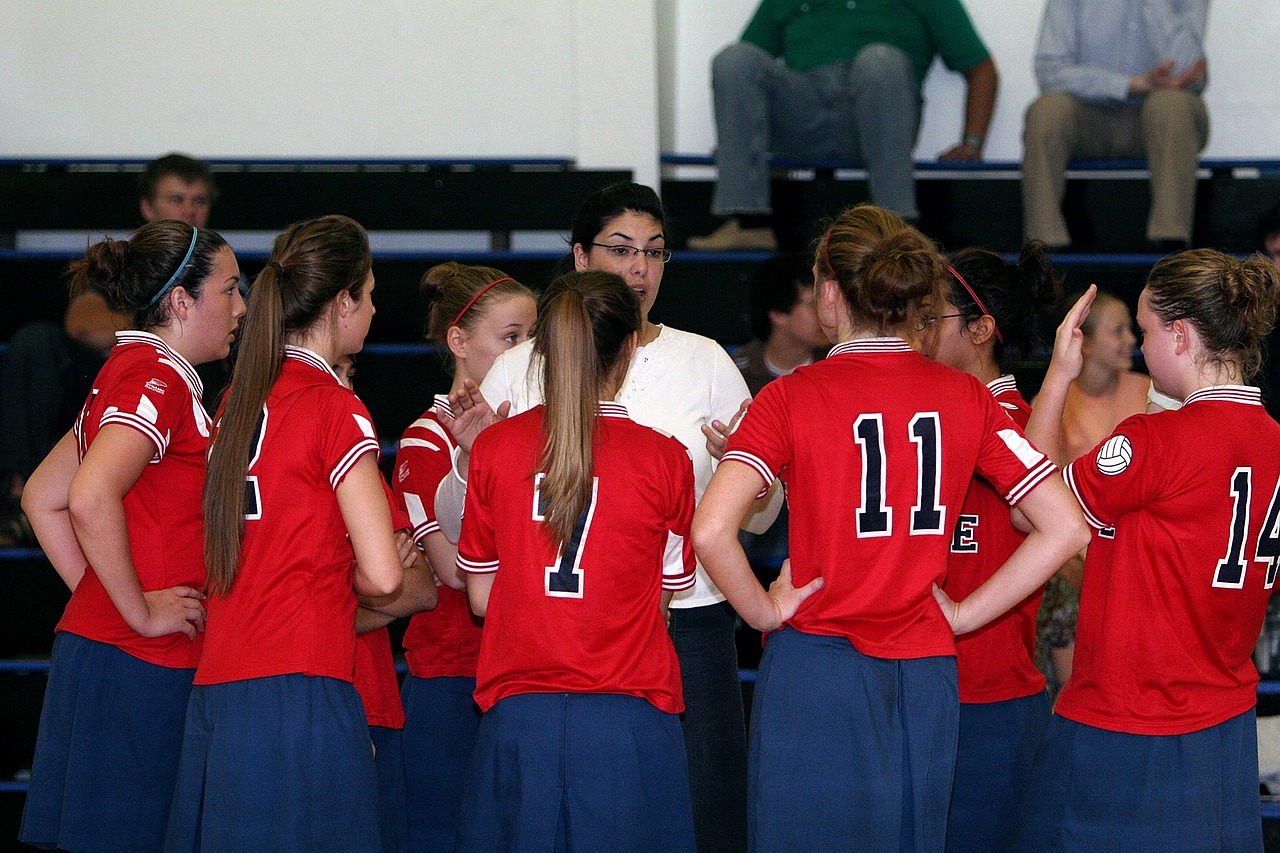

The Science Behind Effective Volleyball Communication
Effective communication is the cornerstone of success in volleyball. Players must develop a shared language that transcends mere words. This enhances on-court synergy and minimizes errors. Successful teams often rely on non-verbal cues, such as hand signals and body movements, to convey strategies quickly. By using such methods, players can react instantaneously, allowing for swift decision-making under pressure. The implementation of clear communication channels fosters trust and fortifies team spirit. Furthermore, verbal communication, including shouted commands or encouragement, helps maintain focus and morale during intense matches. Training sessions should stress the importance of both verbal and non-verbal techniques. Coaches can introduce drills that require players to rely on silent communication, honing their ability to anticipate each other’s actions. Regular practice underpins the need for consistent communication habits. When players learn to communicate effectively, they can form stronger bonds and remain aligned towards common goals. In essence, the foundation of a successful volleyball team lies in mastering the art of communication, an essential skill that manifests both in practice sessions and competitive situations.
Understanding Non-Verbal Communication
Non-verbal communication often takes precedence in fast-paced environments like volleyball, where split-second decisions are crucial. Body language, facial expressions, and even eye contact can convey the intended messages effectively without spoken words. For instance, a simple nod or hand gesture can indicate a strategy shift or signal readiness. Moreover, non-verbal cues help reduce the chance of misunderstandings, especially in noisy venues. Communication through body positioning also impacts how arguments unfold on the court. Players should develop familiarity with each other’s body language over time. This aspect emphasizes the importance of training together regularly, as familiarity breeds intuitive communication. Coaches can incorporate drills that highlight non-verbal communication skills to reinforce this concept during practice. In addition, teaching players to observe their teammates’ physical responses can improve overall team dynamics. For example, a teammate’s stance can indicate their availability for a set play. Thus, recognizing and adapting to these cues fosters a cohesive group capable of working harmoniously under pressure. Ultimately, mastering non-verbal communication offers a strategic advantage in volleyball, nurturing trust and enhancing team performance.
Verbal communication in volleyball serves as another critical component influencing overall performance. Clear verbal signals and commands ensure that all players are aligned in their game plans or ongoing plays. It is essential that all team members understand common terms and phrases used to call for plays, emphasizing the need for vocabulary consistency during matches. Coaches should encourage players to use loud and assertive voices, ensuring that their teammates can hear them even amidst crowd noise. By practicing these vocalizations during drills, teams can strengthen this vital skill. Furthermore, utilizing a strategic mix of uptonal and downtonal speech can convey urgency or calmness, which can manipulate the gameplay effectively. Each player should be accountable for communicating their moves, especially during high-pressure scenarios, as this would reduce the likelihood of confusion on the court. Practicing communication lines should become part of regular training sessions to solidify these principles. This continuous reinforcement results in players forming a habit of expressing themselves verbally. Thus, integrating verbal communication strategies effectively contributes to strong team dynamics and synchronized plays, which ultimately enhances performance during critical moments.
The Role of Leadership in Communication
Leadership plays a pivotal role in establishing effective communication frameworks within a volleyball team. Team captains are often tasked with maintaining a positive communication environment, guiding their peers through both victories and setbacks. By embodying strong communication skills, leaders set examples for others to emulate. This includes being open to feedback or suggestions from teammates, which fosters a culture of inclusivity and engagement. Additionally, captains must possess the capacity to mediate disagreements or misunderstandings that may arise during intense games. As a leader, maintaining a calm demeanor can help de-escalate tensions while motivating others to communicate more effectively. Coaches outwardly support team leadership by providing clear instructions and encouraging input from players. Showcasing good practices in communication flows within leadership can prove beneficial in modeling appropriate behavior in competitive environments. Regular team meetings allow for the open exchange of ideas, further strengthening interpersonal bonds among teammates. Ultimately, fostering effective communication through leadership builds a stronger foundation for teams striving to achieve high performance levels. This perspective illustrates how leadership directly influences communication dynamics and overall team success.
An essential aspect of volleyball communication is the integration of feedback mechanisms. Constructive feedback processes allow team members to assess their performance and improve collaboratively. Encouraging an environment where players feel comfortable sharing insights fosters growth and enhances communication skills. Players should practice giving and receiving feedback, recognizing the importance of concise yet detailed observations. This exchange promotes continuous development and strengthens team relationships. Furthermore, implementing regular debrief sessions can provide structured opportunities for feedback. Catching issues before they escalate ensures teams can maintain cohesion and understanding on the court. Training teams on how to deliver constructive criticism positively can also minimize potential conflicts. When players understand how their actions influence others, they consciously adjust their communication styles. This increased self-awareness is vital in high-stakes situations where clear decisions make a significant difference. A supportive atmosphere leads to open dialogue, enhancing interpersonal relationships and trust. Consequently, employing feedback mechanisms within the communication process equips teams with strategies to advance their skills. Thus, teams effectively communicate not just during games but enhance their learning process in training, promoting an environment conducive to success.
Incorporating Technology in Communication
In today’s digital age, the incorporation of technology has introduced innovative ways to enhance volleyball communication techniques. Coaches and players increasingly use video analysis software to assess performance and communication styles. By reviewing game footage, teams can identify communication gaps and areas for improvement. Additionally, mobile apps enable players to communicate strategies off the court, enabling continuous engagement. Through collaborative applications, players can share thoughts or ideas related to skills and tactics. This virtual dialogue facilitates ongoing learning and supports team cohesion. Furthermore, integrating social media platforms can serve as a casual space for players to connect, fostering deeper relationships beyond gameplay. Embracing these technological tools creates a more inclusive and engaged volleyball community. Coaches can leverage technology by organizing online workshops or group discussions to refine communication methods and assess team dynamics effectively. With the benefit of these resources, teams can bridge the gap between on-court and off-court engagements. Thus, the role of technology as a facilitator for communication aligns with contemporary youth preferences, creating a well-connected group of players. Harnessing these capabilities equips teams with skills that translate well into real-game situations.
In conclusion, effective communication techniques are integral for volleyball teams aiming for competitive success. Mastering both verbal and non-verbal cues enhances players’ ability to sync up, enabling efficient collaboration during matches. Through practice and repetition, players can incorporate these skills seamlessly into their gameplay, enhancing their overall performance. Moreover, fostering an atmosphere of open communication promotes trust and camaraderie, essential for team dynamics. This culture encourages providing constructive feedback, where players feel accountable for their roles and contributions. Incorporating technology allows teams to explore new methods of communicating and analyzing performances, fostering continual growth. As teams develop their communication strategies, they will naturally improve their on-court instincts. This results in players confidently executing plays under pressure. Ultimately, by prioritizing effective communication and working collaboratively, teams can heighten their competitive edge and propel themselves toward success. The science behind effective volleyball communication is clear: it’s a multilateral effort that requires dedication, practice, and open-mindedness. By fully embracing these concepts, volleyball teams can elevate their gameplay, execute strategies more effectively, and achieve their desired outcomes.