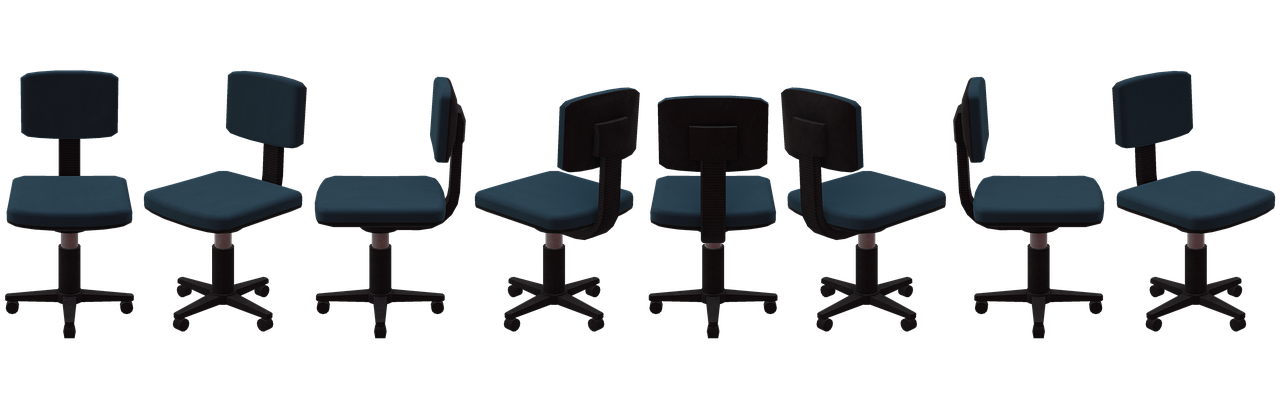

Why Seat Height and Depth Matter When Choosing an Ergonomic Chair
When selecting an ergonomic chair, two crucial dimensions to consider are seat height and seat depth. When these features are optimized for each user, they play a significant role in promoting comfort and reducing strain. The correct seat height allows your feet to rest flat on the ground, distributing your weight evenly across your thighs and enhancing blood circulation. Likewise, the proper seat depth ensures that there’s some distance between the back of your knees and the front edge of the chair to avoid discomfort during extended sitting periods. Making the right choices regarding these dimensions can significantly improve your posture, minimizing headaches, back pain, and other tension-related issues that many people face. To find the best ergonomic chair for your requirements, you should also consider factors like total adjustability, armrest design, and lumbar support. A well-suited ergonomic chair that considers these aspects is a worthy investment for anyone who spends significant hours sitting. Without proper adjustments, you are more likely to experience discomfort, fatigue, and decreased productivity as a result. Thus, thorough research is essential.
One of the first steps in choosing an ergonomic chair is understanding the importance of seat height. An adjustable seat height feature allows users to tailor their chair according to their requirements. The height of the seat should ideally allow your knees to be at a 90-degree angle and support your feet being flat on the ground. When the seat is too high, it can cause your knees to be forced upward and may lead to discomfort. Conversely, if the seat is too low, it may place unnecessary pressure on your thighs, affecting blood circulation, and leading to numbness. Therefore, many ergonomic chairs come with pneumatic controls to adjust the height smoothly. A well-adjusted chair will enhance your comfort level while minimizing the strain on your body. Thus, being able to control this dimension is crucial for any user intending to maintain good posture. When evaluating ergonomic chairs, check specific measurements or any height adjustment range to ensure compatibility with your body size. Making the right choice in chair height will prove critical for your well-being.
The Relevance of Seat Depth
Seat depth is another critical aspect that plays a role in selecting the right ergonomic chair. Seat depth refers to the space from the back of the seat to the front edge. Ideal seat depth allows individuals to sit back against the chair’s backrest while leaving about two to four inches of space between the seat’s edge and the back of their knees. If the chair’s seat is too deep, users may find it difficult to maintain good posture as it forces them to slouch forward, causing strain in the spine. On the other hand, a seat that’s too shallow can compromise support and comfort, leading to an unnatural sitting position. For optimal comfort, especially for prolonged use, adjusting the seat depth to accommodate different users is essential. Many ergonomic chairs are designed to allow such adjustments to cater to a variety of bodies and preferences. Therefore, when trying out a chair, take a moment to assess the seat depth and ensure it can be adjusted according to your needs.
In addition to enhancing comfort, appropriate seat height and depth play a significant role in improving productivity. When seated correctly, users are less likely to experience discomfort, thereby allowing them to focus better on their tasks. Distractions such as pain, discomfort, or the need to adjust your body position repeatedly can hinder your productivity levels. A well-adjusted ergonomic chair also contributes to increased concentration and improved efficiency. Therefore, making the right choices regarding these features ensures that your work environment supports your physical well-being and helps you stay engaged. Furthermore, investing in a good ergonomic chair can be beneficial for businesses as improved employee comfort often leads to enhanced productivity levels. This becomes a win-win situation where employees feel valued and can perform their duties more effectively. The chair should not just be seen as a piece of furniture; rather, it is a vital component of your work setting. Ultimately, the importance of choosing the correct seat height and depth cannot be overstated, as these specifications influence your overall productivity and comfort levels.
Conclusions on Ergonomic Chair Selection
In conclusion, selecting the right ergonomic chair involves careful consideration of both seat height and seat depth. These dimensions significantly affect user comfort, prevent potential health issues like back pain and repetitive strain injuries, and enhance productivity for those who spend prolonged hours sitting. When looking for an ergonomic chair, it is advisable to test various models to find one that meets your height and depth needs. Investing in a chair that offers proper height and depth adjustments tailored to your body can drastically impact your daily comfort and efficiency. Therefore, before purchasing an ergonomic chair, take the time to research and evaluate models that offer versatile adjustments. Make use of proper fitting protocols to ensure that the chair you choose provides appropriate support for your unique height and size. Remember that the goal of an ergonomic chair is to facilitate healthier sitting habits by enabling you to maintain a neutral posture. Prioritizing seat height and depth in your chair selection process will pave the way for a more pleasant and productive working environment.
Finally, ongoing adjustment of your ergonomic chair is essential for maintaining proper posture over time, as individuals may vary their sitting preferences or positions throughout their day. Regularly reviewing the height and depth settings and making modifications as needed will contribute to consistent comfort and support. This is especially vital for those who engage in diverse tasks that require different positions. Additionally, integrating regular breaks into your routine will contribute positively to your overall sitting experience. Standing up to stretch and walk around briefly will help break any stiffness that develops from prolonged sitting. Pairing effective ergonomic seating with good habits creates a well-rounded approach to your sitting experience, thereby reducing fatigue and improving overall posture. The importance of ergonomics and posture in the workplace cannot be overstated, and taking time to select the right chair is pivotal for long-term wellness. By considering your specific needs and adjusting your seating arrangement accordingly, you can create a healthier work environment for yourself that promotes comfort and well-being as you work.
To sum up, the importance of seat height and seat depth in ergonomic chair selection should never be overlooked. These dimensions not only define your comfort but also influence your overall health and productivity. As a potential buyer, familiarize yourself with the measurements that suit your needs and ensure that the chair you select provides adequate adjustability for both seat height and depth. With the prevalence of remote work, investing in quality ergonomic furniture is essential for creating a conducive working environment at home. Make an informed choice based on individual preferences, incorporating trial periods if possible. The potential benefits of an ergonomic chair that accommodates personal dimensions are manifold, including improving your health and efficiency. Thus, it becomes imperative to conduct thorough research while also testing chairs in stores to find the right fit. Select an ergonomic chair that not only enhances your comfort but also encourages proper sitting posture. The right ergonomic chair can serve as a tool for maintaining your well-being during busy workdays, leading to a happier, healthier, and more productive lifestyle.
In today’s fast-paced world, individuals spend a considerable amount of time sitting, whether at work or at home. So it’s essential to prioritize ergonomic considerations when making decisions about seating. By understanding the critical role of seat height and depth, one can make more informed decisions that support their health and well-being. To regain comfort and promote better posture, experiment with various ergonomic chair options and ascertain which ones are most beneficial for you. Learning how to properly adjust your chair is crucial in establishing a workspace that not only enhances your productivity but also safeguards your health. In an evolving work landscape that includes more remote setup, investing in ergonomic furniture is paramount. Therefore, take the time necessary to assess the features offered by different chairs and how they align with your ergonomic needs. Making an informed decision based on seat height and depth will pave the way for a healthier long-term sitting experience. A well-selected ergonomic chair can make a world of difference; after all, comfort is an investment in your productivity and overall quality of life.