
Importance of Cooling Down and Hydrating After Exercise
After an intense workout session, your body demands crucial recovery efforts, primarily through cooling down and hydrating. Cooling down involves gentle exercises and stretching, allowing your heart rate and body temperature to gradually return to normal. This step is essential because it reduces the risk of dizziness and muscle stiffness. Furthermore, hydrating post-exercise replenishes lost fluids and electrolytes. This practice is vital to maintain optimal performance and assist in overall recovery. During physical activity, you lose a significant amount of water and important minerals through sweat. After exercising, your bodies need immediate replenishment. Thus, drinking water or electrolyte-rich beverages restores balance. Proper hydration can also improve digestion and support the transport of nutrients to muscles. Remember, dehydration may lead to fatigue, headaches, and diminished workout performance. Therefore, always have a hydration strategy that incorporates both water and electrolytes to enhance recovery. This post-workout routine promotes not just physical recovery but mental clarity, helping you prepare for your next workout. Take Care of your body; it’s the only place you have to live. Hydration and cooling down are not just beneficial—they are necessary.
Understanding the Hydration Needs
Recognizing your hydration needs is essential after completing a workout. The general rule suggests drinking 16-24 ounces of fluid for every pound lost during exercise. Tracking these changes helps in ensuring adequate intake. It’s also crucial to consider the type and duration of exercise when identifying hydration needs. High-intensity and long-duration workouts demand greater fluid intake due to increased sweat loss. Furthermore, environmental conditions, such as heat and humidity, impact hydration levels during and after exercise. Always assess your body’s signals regarding thirst and fatigue; they often indicate dehydration. Opt for electrolyte drinks as they can effectively replenish minerals lost through sweat. Adjust your hydration strategy based on factors like exercise intensity, workout duration, and climate. Usage of a hydration app may assist in keeping track of your daily fluid intake. Moreover, incorporating hydrating foods such as watermelon, cucumber, and oranges into your diet can complement fluid intake. Ensuring proper hydration habits fosters optimal health, enhances performance, and accelerates recovery. Remaining hydrated contributes to better physical and cognitive function, further motivating you to adhere to your fitness regime. Commit to being mindful of hydration before, during, and after exercises.
Alongside hydration, cooling down contributes significantly to recovery. An effective cool-down routine includes lighter aerobic activities and stretching exercises that promote blood flow. They also minimize lactic acid buildup in the muscles post-workout. Performing stretches targeting major muscle groups aids in achieving flexibility and reduces muscle soreness. Ideally, take at least 5 to 10 minutes to cool down; this duration may vary based on workout intensity. Notably, stretching contributes to joint and muscle wellness, promoting long-term fitness. Additionally, yoga or Pilates can be excellent post-workout options, seamlessly integrating flexibility training into your cool-down phase. Consistency in following this practice enhances subsequent workout performance by preventing injuries. Furthermore, deep breathing during cool-down exercises not only relaxes the body but also balances oxygen levels. This process energizes the body and helps clear out carbon dioxide and toxins released during physical activity. Consequently, integrating effective cooling down and hydration practices is fundamental in everyone’s fitness journey. Commitment to recovery ensures sustainability in exercise habits, facilitating long-term health benefits. Always remember that recovery can sometimes be more vital than the workout itself. Therefore, prioritize cooling down and hydrating properly.
Strategies for Effective Post-Workout Hydration
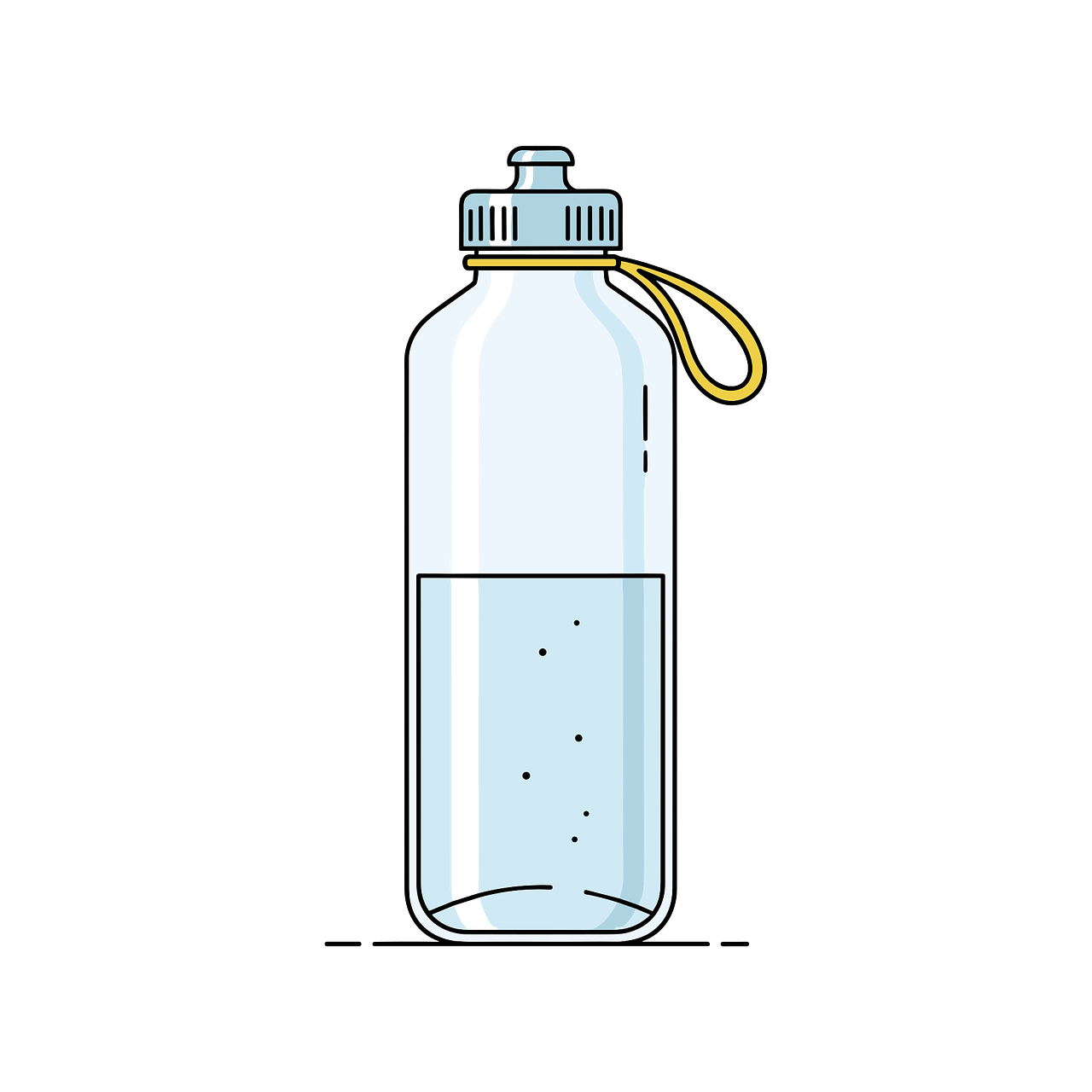
Implementing strategies for post-workout hydration can significantly enhance recovery periods. Start by consuming fluids promptly after workouts. Opt for easily digestible, hydrating beverages, including water, coconut water, or sport drinks that provide essential electrolytes. If necessary, consider utilizing a hydration tracker, which can motivate you to regularly drink fluids. Gauge your hydration status through simple techniques such as checking urine color; pale yellow indicates good hydration. Consistency is key; establish a rule for your post-exercise drinking habits, such as making it a routine alongside meals. Additionally, consume water-rich foods to complement your fluid intake. Foods like fruits, vegetables, and soups are perfect added nutrients enhancing hydration levels effectively. Set yourself small milestones, such as finishing a water bottle within a certain timeframe post-workout. Share your goals with a friend for accountability and motivation. Remember, excessive intake can also lead to discomfort, so drink in moderation. Listen to your body, remaining mindful of its signs while completing your hydration strategy. Improving hydration habits encourages better workout recovery, subsequently enhancing overall fitness performance. Commit to following these strategies to ensure robust hydration after each workout.
Proper hydration promotes immunological health, which is fundamental to maintaining a sustained exercise regimen. When your body is well-hydrated, it operates efficiently, resulting in favorable exercise outcomes. Hydration also plays a crucial role in regulating body temperature during workouts, particularly in hot environments. Even mild dehydration can trigger a decline in mental performance, so prioritizing hydration influences exercise quality. Managing both hydration and nutritional intake will offer a comprehensive recovery strategy. Keeping an exercise journal to track hydration goals along with activity levels may reflect changes in performance and recovery times. Include considerations such as your mood and energy levels to grasp a holistic view of how hydration affects your workout. Moreover, discussing hydration practices with a registered dietitian or fitness professional can provide tailored assistance. By identifying individual hydration needs, you can optimize performance based on personal fitness goals. Integrating these practices into your routine reinforces a strong foundation for improved health overall. A well-rounded hydration strategy nurtures wellness and supports long-term physical engagement. Therefore, recognize hydration as an essential element in your fitness journey while prioritizing it to fuel your ambitions effectively.
Dehydration: Risks and Symptoms
Being aware of the risks associated with dehydration is crucial in your post-workout routine. Common symptoms of dehydration include dry mouth, dizziness, fatigue, and headaches—signs indicating the need for fluid replenishment. Additionally, darker urine signifies a lack of hydration. Understanding these symptoms assists in timely intervention, ensuring continued workout performance and overall wellbeing. Beyond discomfort, dehydration can lead to considerably serious conditions such as heat exhaustion, kidney damage, and muscle cramps. Acknowledging these risks serves as motivation to maintain a consistent hydration strategy. After physical activity, dedicating time to communal activities, such as walking or yoga, encourages accountability and celebration of hydration efforts among friends or workout partners. This approach reinforces the significance of post-exercise hydration. Prioritize hydration choices that not only replenish fluids but also include nourishing electrolytes, giving more significant results. Furthermore, assessing environmental stressors, like temperature and humidity, ensures proper hydration levels during workouts. Even minimal dehydration impacts exercise outcomes and must be approached preventively. Focus on eliciting positive hydration habits that resonate with your lifestyle to alleviate potential risks effectively. Make hydration an integral component of your fitness philosophy and foster a healthier relationship with exercise.
The journey to optimal recovery involves understanding your body’s needs after workouts. Staying adequately hydrated allows the body to process nutrients more effectively while supporting joint health. Remember to consume enough fluids and replace lost electrolytes through balanced nutrition. The importance of tailoring a hydration plan according to personal preferences cannot be overstated. Choose fluids you enjoy, which encourages consistency in intake. Diversifying your choices can prevent boredom; consider flavored waters or adding fruit slices for extra flavor. Developing a hydration plan that combines both water and electrolyte-rich beverages, like sports drinks, provides comprehensive coverage for enhanced recovery. Monitor your intake when participating in various forms of exercise to ensure you are meeting your hydration needs efficiently. For those who enjoy vigorous workouts, integrating electrolyte tablets can optimize recovery. Ultimately, combining hydration with a well-structured cool-down routine yields impressive results in promoting rest and rejuvenation. Hydration alongside proper maintenance of nutrition and recovery practices significantly enhances physical performance and overall health. Practice mindfulness in ensuring adequate hydration enhances not only your workouts but your lifestyle. Make every effort to nurture your body and encourage it with proper hydration strategies.
Conclusion: The Road to Fitness Sustainability
In conclusion, embracing hydration and cooling down post-exercise is indispensable for anyone engaging in physical activity. Implementing a personalized hydration strategy encourages an improved connection between mind and body, ensuring that fitness efforts remain sustainable. Recollecting the physical demands of each workout reinforces the need to prioritize recovery days. Recognize hydration as a continuous effort rather than a quick fix; it serves to power both workouts and vibrant living. Staying informed regarding best practices enhances your overall health knowledge while establishing foundations for impactful routines. Teach others around you about the significance of hydration to foster holistic well-being among your community. Look towards reliable resources or studies to remain updated with innovative strategies consistently. Share your journey with others, which can create a supportive environment focused on collective health objectives. Cultivating positive hydration habits will undeniably yield profound benefits throughout your fitness journey. Consider collaborating with fitness professionals for insights into optimizing post-workout hydration in ways that resonate with your goals. Prioritizing hydration and recovery ultimately leads to a healthier, happier lifestyle. Aim for sustainability in your fitness journey through continuous dedication to hydration, cooling down, and overall wellness practices.