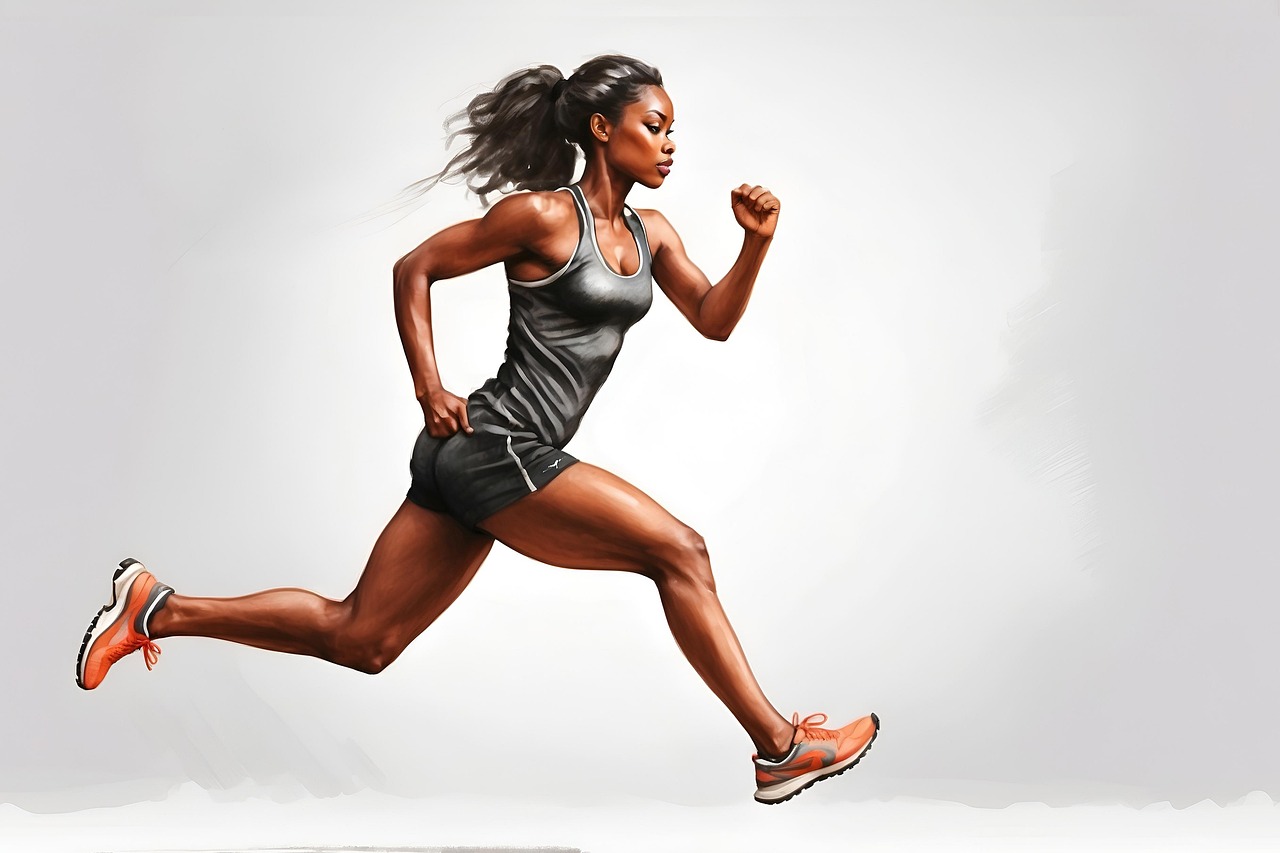

The Contribution of Upper Limb Biomechanics to Sprint Start Techniques
Sprint starts require an intricate blend of biomechanics, especially concerning the upper limbs. Proper arm positioning and movement significantly influence the acceleration phase. During the initial sprint start, athletes generate momentum not solely through leg action but also through their arms. Effective arm movements can enhance forward propulsion, ensuring optimal force application. The biomechanics of the upper limb plays a critical role in coordinating this force. Athletes are trained to achieve a synchronized motion between their arms and legs, leading to improved speed. The angle and speed of arm movements can alter the body’s center of mass. Maintaining an upright posture during this motion helps in sustaining balance and coordination. Upper limb mechanics also relate to grip strength on the track surface or starting blocks, impacting overall performance. Coaches often focus on upper body technique to optimize sprint starts, shaping athletes for enhanced results. Understanding these biomechanical principles allows for better training strategies and injury prevention. Therefore, engaging the appropriate muscles and practicing effective techniques will yield improvement in sprinting efficiency.
Upper limb biomechanics also contributes to explosive power development essential for effective sprint starts. Research indicates that proper arm swing mechanics can augment speed and balance during the initial push-off. Muscles around the shoulder and elbow must work in a coordinated manner. This coordination translates to more forceful arm movements, maximizing power output. Specific drills targeting these muscle groups can improve athletes’ starts by refining their technique. Additionally, engaging in resistance training focused on the upper body fortifies these muscle groups, enabling them to support more force production. Athletes should emphasize flexibility in the upper limbs as well, ensuring a full range of motion during starts. A restricted range can lead to ineffective movements, which hinder acceleration. Sprinting poses a unique challenge that integrates both upper and lower limb biomechanics. The interplay between these limbs is crucial during the explosive take-off, as propulsion and speed are interlinked. Coaches must actively monitor athletes’ upper body movements to ensure optimal technique during this initial phase. Therefore, biomechanical analysis can provide key insights into areas needing improvement for enhanced performance.
The Role of Arm Swing in Sprint Starts
Arm swing plays an integral role in sprint starts; its influence on acceleration is significant. When executed correctly, a powerful arm swing increases forward momentum. As athletes prepare for a sprint, the upper limbs contribute to overall body dynamics. The timing of arm movement should coincide with leg motion, which serves to optimize each stride’s force application. An efficient arm swing can counterbalance lower limb actions, helping maintain body stability. Athletes are encouraged to keep their arms at an angle that maximizes propulsion efficiency, fostering a fluid motion. Furthermore, research highlights that faster arm swings correlate with quicker reaction times and enhanced sprinting outcomes. As athletes improve their arm swing mechanics, they refine their capacity to generate speed. Various training methods, including plyometric exercises, enhance both upper and lower limb coordination. Athletes must be cognizant of their arm movements, as improper mechanics can lead to injuries. Therefore, tailored training regimens that focus on arm movement optimization are vital. Understanding biomechanics is paramount for athletes aiming for peak performance in sprint starts.
Moreover, upper limb biomechanics directly affects stride frequency and length during sprints. This is particularly significant during the first few strides post-start. An efficient arm movement can create a rhythm that directly enhances stride characteristics. Athletes often overlook the importance of synchronization between upper and lower limbs in sprinting. Proper mechanics help athletes achieve maximum acceleration by leveraging their body weight in the desired direction. Consequently, attention to biomechanics can lead to optimal sprinting techniques and improved performance metrics. Analyzing arm movement efficiency must become a priority for sprinters aiming for success. Biomechanical assessments using high-speed cameras allow for a detailed understanding of movement patterns. Information from these analyses contributes to refining training processes. Regular biomechanics assessments might uncover subtle deficiencies that could be corrected through training. In addition, addressing these deficiencies leads to improved adherence to optimal movement patterns. Therefore, incorporating upper limb biomechanics into training routines is pivotal. In conclusion, extensive research and application can yield valuable results in sprinting performance enhancement.
Injury Prevention through Biomechanics
Understanding the mechanics of the upper limbs contributes significantly to injury prevention in sprinting. Incorporating techniques that focus on biomechanics can help minimize common injuries associated with sprint starts. Athletes learn to adjust their upper body positioning to maintain balance and control, particularly during powerful starts. Furthermore, strengthening the upper limb reduces the risk of injuries related to improper loading during acceleration. A focus on conditioning exercises is crucial to provide the necessary support for diverse muscle groups involved. The arms must act as stabilizers, independently functioning while coordinating with the lower limbs. Athletes should engage in specific flexibility and mobility training for the upper body to promote function. This promotes an adequate range of motion essential for optimal mechanics. Moreover, coaches can implement biomechanical analysis to detect potential injury risks stemming from upper body movements. Adjustments based on found weaknesses minimize the chances of injury. Thus, focusing on upper limb biomechanics not only improves performance but also protects athletes from the dangers of overuse and improper technique.
Athletes’ familiarity with their own biomechanics yields enhanced self-awareness during sprinting events. Training programs that educate athletes about their body mechanics enhance their performance. Understanding the role of the upper limbs empowers athletes to make adjustments leading to improved outcomes. Athletes who can visualize their mechanics during starts tend to perform better. Coaches must emphasize the significance of biomechanics in developing personalized training regimens. Each athlete presents unique biomechanical characteristics, allowing for individual tailored strategies. This emphasizes the need for sport-specific training, focusing on biomechanical principles. Consequently, education around upper limb biomechanics and its effects fosters more effective training practices. A knowledge-based approach ensures that athletes actively engage with their techniques. Athletes gain confidence as they become more aware of mechanics impacting their performance. Continuously reinforcing these principles helps solidify understanding and promotes lasting behavioral changes. Therefore, integration of biomechanics into practice ultimately enhances athletic potential. To sum up, knowledge of upper limb biomechanics significantly determines success in sprinting.
Future Directions in Upper Limb Biomechanics
As sprinting techniques evolve, so does the understanding of upper limb biomechanics. Future research may focus on technological advancements in motion analysis, offering precise insights into biomechanics. Wearable technology provides real-time feedback, which will greatly assist athletes in optimizing their techniques. Emerging studies indicate the relevance of various factors that influence movement patterns, such as fatigue and environmental conditions. Moreover, biomechanics research is likely to expand into understanding muscle activation patterns during different stages of sprint starts. Investigating these aspects can help revolutionize training methods. In addition, research targeting the impact of nutrition and mental preparedness on upper limb performance is vital. This broader approach reinforces the interconnectedness of various elements influencing biomechanics. As the science of biomechanics advances, tailored strategies will become forthcoming, directing athletes towards superior outcomes. Furthermore, the collaboration of biomechanics experts with coaches and trainers guarantees practical application of findings. Commitment to understanding upper limb mechanics’ role in sprinting is crucial in informing athletes’ preparation. Therefore, the future will see a transformation in how athletes prepare for sprint starts, ultimately achieving peak performance.
Overall, upper limb biomechanics is a fascinating field with profound implications for sprinting performance. The multifaceted role of the upper body impacts acceleration, stability, and efficiency during sprint starts. Continuous exploration of the mechanics involved can lead to a broader understanding of athletic performance. This can further drive innovation in training techniques, injury prevention, and equipment design. Athletes stand to benefit greatly from an in-depth understanding of biomechanics that informs their practice. As research continues to expand, it will enhance the synthesis of biomechanics with other relevant fields of study. The prospect of integrating advances in data analytics and athlete monitoring systems into training practices is promising. Coaches must remain informed about scientific developments, adapting training accordingly to leverage insights. Ultimately, proper engagement with upper limb biomechanics leads to success not only in sprint starts but also in overall athletic performance. The drive for efficiency and excellence within the realm of sports hinges on understanding biomechanics. As we move forward, the importance of these aspects will only magnify, ultimately bridging science and practice in athletics.