
The Role of Functional Flexibility in Obstacle Race Performance
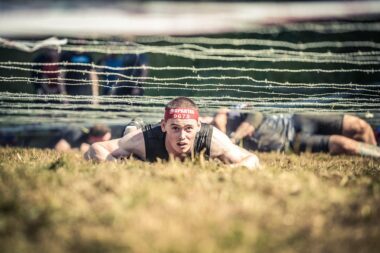
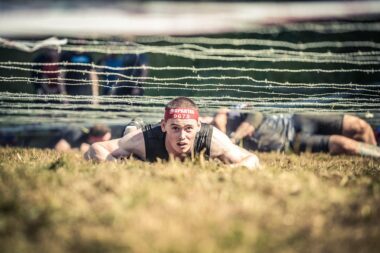
Obstacle races have gained immense popularity, combining running with a series of challenging physical tasks. These races require athletes to conquer a variety of obstacles, from climbing walls to crawling under nets. To excel, it’s essential to develop a diverse range of physical abilities, prominently including functional flexibility. Functional flexibility refers to the capacity to achieve optimal movement patterns necessary for sports activities. This level of flexibility is crucial because it allows athletes to maneuver through obstacles efficiently. When engaging in tasks that require various dynamic movements, flexibility helps ensure that muscles and joints can stretch and contract adequately. Improved functional flexibility also reduces the risk of injuries by promoting better range of motion. It helps in maintaining posture during challenging maneuvers. Moreover, specific flexibility training can enhance performance, contributing to quicker recovery times and better endurance. Athletes will thereby notice an overall enhancement in their ability to tackle challenging courses. Incorporating flexibility routines can make a noticeable difference, allowing for smoother transitions between movements during competitive scenarios.”},{
Understanding Functional Flexibility
Functional flexibility goes beyond traditional stretching routines. It emphasizes movements that replicate real-life actions and sports. While conventional stretching may loosen muscles, functional flexibility targets the muscle’s ability to perform efficiently under stress. Incorporating specific exercises can build strength and flexibility simultaneously, optimizing performance in obstacle races. Key activities include dynamic stretches such as leg swings, and arm circles. These movements improve muscle elasticity while preparing the body for the demands of racing. Additionally, static stretches play a supportive role, promoting recovery between training sessions. It’s essential to understand your body’s limits when working on flexibility. Avoid overextending and focus on gradual improvements. Recognizing the unique demands of obstacle races helps tailor flexibility training. Incorporating exercises like lunges and squats with a rotational component can mimic race conditions. Alongside flexibility, strength training should not be overlooked. Resistance exercises ensure that muscles can withstand the obstacles faced during a race. Therefore, a balanced approach that incorporates both functional flexibility and strength proves advantageous. Engaging in a routine that focuses on these aspects can ultimately elevate performance during competitive events.
To further enhance functional flexibility, integrating mobility routines is beneficial. Mobility exercises promote joint health, allowing smooth articulation of muscles across various planes of movement. For instance, practices like yoga and Pilates are excellent for improving flexibility and strength while enhancing stability. By promoting controlled movement, these routines help athletes master their physical limitations, enabling them to meet diverse race challenges with confidence. Dynamic warm-up sessions are crucial to prepare the body before hitting the racetrack or facing obstacles. They raise body temperature and increase blood flow to the muscles, preventing injuries. A consistent warm-up routine results in improved overall performance. Exploring other activities such as dynamic mobility drills can facilitate this preparation process. Adding balance challenges and agility drills also strengthens vital stabilizing muscles used during races. Emphasizing shoulder and hip mobility is particularly significant, given their roles in upper and lower body movements throughout races. Engaging in targeted routines consistently will cultivate a more adaptable athlete ready to face unfamiliar terrains. Ultimately, persistence in flexible training contributes to refining movement efficiency, which is necessary for successful performances.
Nutritional aspects should not be underestimated either, as they significantly influence flexibility and performance. Proper hydration plays a crucial role; dehydration can impair overall muscle function. Furthermore, nutrients such as proteins support muscle repair and recovery after intense training sessions, aiding flexibility gains. Consuming sufficient vitamins and minerals facilitates effective metabolic processes, enhancing the body’s ability to adapt and grow. Dietary inclusions like omega-3 fatty acids contribute to reduced inflammation, further facilitating recovery and flexibility. Moreover, a diet rich in antioxidants helps in combating oxidative stress post-race. To achieve optimal performance, athletes need to strike a balance between exercise, recovery, and nutrition. Making dietary choices that promote flexibility ensures maximum efficiency on race day. Listening to your body is just as critical as the physical preparation itself. Documenting your training, dietary, and recovery habits in a journal can help identify what works best for your body. Alcohol consumption should be minimized as it does not support muscle function or recovery. Combining these aspects will ultimately optimize functional flexibility, leading to increased competitive edge during obstacle races.
In summary, competitive obstacle racing is both demanding and rewarding, requiring a combination of key physical attributes. Regularly enhancing functional flexibility is vital for seamless performance when navigating obstacles. It promotes injury prevention and improves overall movement efficiency. Implementing a rigorous and structured flexibility training program is crucial. Integrating mobility routines can also positively contribute to performance standards, preparing athletes for the unexpected challenges of races. Furthermore, it addresses the unique stresses placed on the joints during various race activities. Finding the right exercises can lead to significant improvements, enabling easier transitions and adaptations throughout the race course. Athletes should periodically evaluate their flexibility goals to track progress, adjust routines, and react accordingly. As races evolve and obstacles become more complex, a diligent focus on flexibility is paramount. Pairing physical training with proper nutrition and hydration will bolster endurance and reliance. It’s clear that a comprehensive approach to functional flexibility can play a pivotal role. By remaining committed and mindful of these components, athletes can maximize their performance potential and achieve successful race outcomes.
Lastly, remember that the journey to enhancing functional flexibility is ongoing. Consistency and perseverance are key to achieving long-lasting results. Athletes should embrace setbacks as learning experiences and prioritize their physical wellness to avoid burnout or overtraining. Keeping an open mind and being willing to adapt methods is essential, especially since no single approach works for everyone. Community support through training groups or online platforms can provide motivation. Joining local fitness groups can offer accountability and additional tips from fellow obstacle race enthusiasts. Engaging with knowledgeable coaches can also direct flexible training effectively, ensuring routines remain challenging and diverse. Ultimately, building a strong functional flexibility foundation is a gradual process. Taking time to celebrate small achievements can boost motivation, making training more enjoyable. Athletes will learn to appreciate how flexibility contributes to their performance, fostering a deeper connection to their racing endeavors. Embracing the multifaceted approach to obstacle racing will surely lead to fulfilling experiences in and out of competition.
Final Thoughts
As athletes progress along their obstacle racing journey, the significance of functional flexibility becomes increasingly evident. The ideal combination of agility, strength, and flexibility will contribute to extraordinary performances in challenging environments. Including functional flexibility in training regimens will facilitate active, efficient movement patterns and ensure athletes can navigate obstacles successfully. Experimenting with different flexibility techniques and regularly adjusting routines will keep training exciting and prevent monotony. Encouraging open discussions within the racing community fosters an environment designed for success, innovation, and personal growth. Each athlete’s journey is unique, with opportunities for collaboration and shared knowledge enriching experiences. By emphasizing functional flexibility, athletes can cultivate resilience against the rigors of obstacle racing. Ultimately, embracing this holistic methodology is integral to achieving personal goals while engaging in a sport that encourages camaraderie, perseverance, and strength. Make functional flexibility a priority in your training, and unlock your potential to thrive in the exhilarating world of obstacle racing.