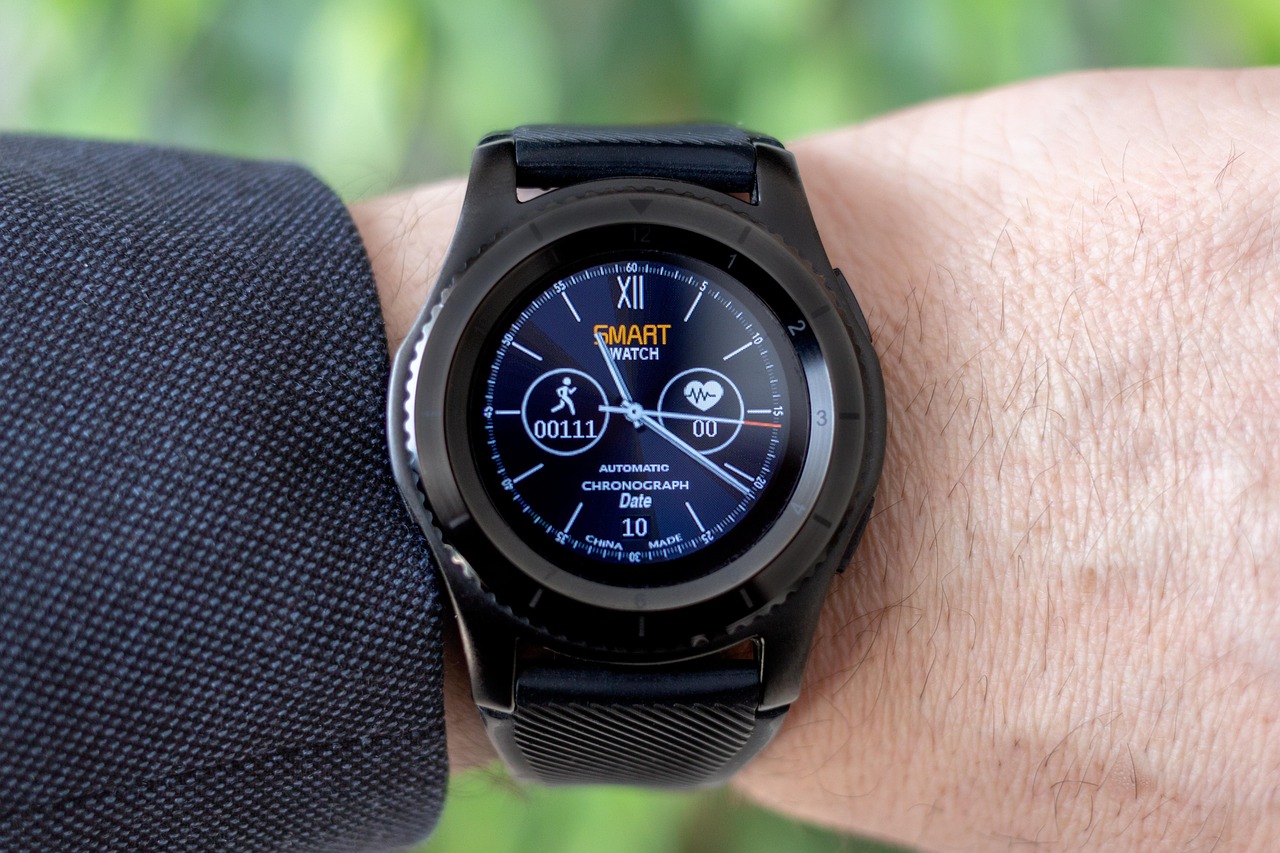

Wearables and Virtual Trainers: Monitoring Sleep to Enhance Recovery
As we delve into the realm of fitness technology, wearables, and virtual trainers, one pivotal feature stands out: sleep monitoring. The relationship between sleep quality and physical performance is well-documented, making it crucial for fitness enthusiasts to understand this link. Enhanced recovery is essential for athletes and individuals engaged in regular workouts. Poor sleep can negatively impact muscle recovery, cognitive function, and general well-being. Wearables equipped with sleep tracking capabilities provide valuable insights into sleep duration, patterns, and disturbances, allowing users to better understand their rest. Armed with this knowledge, users can adapt their training routines and lifestyles to prioritize sleep. Virtual trainers integrate this data into personalized fitness plans, making recommendations to enhance recovery processes tailored to individual needs. Additionally, these platforms encourage users to maintain a healthy sleep schedule and provide accountability through reminders or digital coaching. By tracking and analyzing sleep metrics in conjunction with physical activity levels, users can achieve a balanced routine that allows them to train smarter, not just harder. With wearables becoming more sophisticated, the future of virtual coaching will increasingly focus on holistic wellness.
The significance of good sleep cannot be overstated when we consider its role in recovery. During sleep, the body enters a repair phase, where muscle recovery, tissue growth, and hormone regulation occur. According to numerous studies, athletes require an average of 7 to 9 hours of quality sleep to function optimally during training and competition. Virtual fitness trainers often emphasize the importance of restorative sleep in their guidance. Advanced wearables now offer night mode and sleep scores, providing an overview of how well users rest and helping identify disruptive patterns. Users can track metrics such as heart rate variability and sleep stages for deeper insights. By analyzing this data, personalized recommendations can be made by virtual trainers, aiming to enhance performance through improved recovery strategies. This may involve suggesting specific sleep hygiene practices, like reducing screen time before bed, adjusting room temperature, or utilizing relaxation techniques. Incorporating sleep monitoring into the fitness regimen allows for data-driven decisions, further optimizing training efforts. Consistent, restorative sleep contributes significantly to overall fitness goals, emphasizing the intricate link between recovery and performance.
Integrating Sleep Insights into Fitness Routines
Integrating sleep insights into fitness routines is a breakthrough in optimizing personal health and wellness. Wearable devices collect various metrics that help users understand their unique sleep cycles and patterns. Advanced algorithms analyze this data to offer tailored suggestions for enhancing recovery, assisting wearers in making informed decisions about their health. By utilizing these insights, users can establish a consistent sleep schedule that aligns with their training regimens, leading to improved overall performance. Virtual trainers often recommend adjustments to workout intensity based on sleep quality. For instance, if an athlete has experienced poor sleep, their trainer may suggest a lighter workout or extra recovery days. Conversely, when sleep quality is high, athletes should push their limits on more intense training days. This method of personalizing fitness plans fosters a greater understanding of individual needs and helps avoid injuries resulting from overtraining. Access to real-time feedback enables users to continuously adapt their strategies for maximizing potential. Therefore, the collaboration between sleep monitoring and virtual fitness coaching plays a significant role in modern athletic training.
Moreover, sleep isn’t just a passive state; it’s an active time for the body to recover. Lack of quality sleep can lead to an overproduction of cortisol, the stress hormone, which can hinder muscle recovery and motivation. According to recent research, individuals who prioritize sleep show higher levels of energy and engagement during workouts. Fitness technology now offers varied forms of support. Many wearables include features encouraging users to schedule rest days or offer tailored recovery sessions based on tracked sleep patterns. Virtual trainers can employ motivational tactics to promote healthy sleep habits, reinforcing how vital rest is to achieving fitness goals. They may create educational content highlighting the advantages of adequate sleep, further urging users to optimize their recovery. Mental health, often overlooked in fitness, also vastly benefits from sound sleep. Better sleep can lead to improved mood, lower anxiety levels, and increased focus. Ultimately, a well-rounded approach that incorporates sleep monitoring will result in healthier lifestyle choices, making the advantages of using technology in fitness training evident for everyone looking to enhance performance and well-being.
Future Trends in Wearable Technology
The future of wearable technology in the fitness industry is continually evolving, with promising advancements on the horizon. As sensors become more accurate and sophisticated, we can expect enhanced capabilities in sleep monitoring. Next-generation wearables may offer real-time health assessments and insights into the physiological effects of sleep deprivation. This data could prove invaluable, guiding users toward immediate actions to improve recovery. Developers are now incorporating artificial intelligence and machine learning into wearable technologies, which will further personalize fitness and recovery recommendations based on individual patterns. For example, AI-enabled wearables could analyze a user’s unique biometric data to predict how training loads affect both physical performance and recovery. With these advancements, the synergy between sleep optimization and fitness technology will deepen, creating even more opportunities for achieving wellness goals. Additionally, integration with health care systems is expected, allowing for a comprehensive view of a user’s fitness journey. As research into sleep and athletic performance continues, wearables will undoubtedly play a central role in merging technology with fitness, spelling success for both amateur and professional athletes.
In conclusion, the intersection of wearables, virtual trainers, and sleep monitoring shapes the future of fitness recovery significantly. Those who harness the full capabilities of these technologies can gain a competitive edge in achieving their health goals. By prioritizing sleep and tracking its impact on overall wellness, users can create a more efficient workout schedule. Trends in wearable technology and ongoing research will surely advance methodologies, further emphasizing the crucial role of sleep in recovery. As athletes embrace these innovations, we will likely see improved performance metrics across various sports disciplines. Virtual trainers equipped with data-driven insights will foster understanding and motivation, keeping users engaged. By combining workout data with sleep information, users can make informed decisions regarding their fitness journeys. Moreover, insights will help demystify the complex relationship between exercise and recovery, allowing for more strategic planning. So, for those on a fitness journey, integrating wearables and virtual trainers into their routines is a step forward in elevating their performance and well-being.
The Role of Community in Fitness Recovery
Lastly, the community aspect of fitness can amplify the results driven by wearables and sleep monitoring. Virtual trainers provide not just technical guidance but also foster a sense of belonging among users. Engaging with others on similar journeys encourages accountability and motivation, allowing individuals to support one another through challenges. Online forums, groups, or apps that connect users can share insights and progress, fostering collective growth. The role of support networks extends to emphasizing wellness practices like sleep. Users can share their sleep data experiences, providing practical tips for enhancing rest quality. Such interactions can reinforce positive habits and help tackle common challenges faced by many on fitness journeys. By nurturing a communal spirit, virtual trainers and wearables can cultivate a culture that prioritizes comprehensive wellness, further bridging the gap between mind and body. Thus, the fusion of community, technology, and expert guidance becomes integral to navigating today’s fitness complexities. Those leveraging this trio will be well-equipped to maximize recovery capabilities, ensuring they excel in their pursuits.
Overall, as we embrace the continuous advancements in fitness technology, it is vital to remember the significant impact of sleep on recovery. Users equipped with wearables and virtual trainers have the opportunity to optimize their fitness experience, leveraging data-driven insights that prioritize health and wellness. Wearable technology empowers users to track sleep metrics, informing personalized recommendations that encourage restorative rest crucial for performance improvement. Virtual trainers amplify these insights, providing guidance tailored to individual needs while fostering a strong sense of community among users. In nurturing this digital connection, individuals can gain valuable support, motivation, and inspiration from others along their fitness journeys. As we look to the future, integrating wearable technology with the latest sleep research and virtual training will become increasingly essential for fitness enthusiasts. This partnership not only opens the door to improved performance but also ensures a holistic approach to well-being, addressing the complex interplay between physical activity and rest. Users must stay engaged and proactive, maximizing the benefits of these innovations. Investing time in understanding sleep’s role in recovery enables athletes and fitness enthusiasts to make informed decisions leading to long-term success.