
Best Practices for Ankle Injury Prevention in Basketball
Basketball is a highly dynamic sport that puts players at a significant risk of ankle injuries. To prevent such injuries, adopting best practices is crucial. A robust training regimen should include strength training, focused on muscles that stabilize the ankle. This involves exercises that target the lower legs, such as calf raises and resistance band work. Further, incorporating proprioceptive training can enhance balance and body awareness. For example, balance boards and single-leg stands are excellent tools. It is also essential to warm up appropriately before hitting the court. This includes dynamic stretches and mobility exercises to prepare the muscles and joints. Players should cool down post-practice with static stretching to maintain flexibility and decrease muscle tension. Additionally, shoe selection plays a vital role. Basketball shoes need to provide ankle support and traction, reducing slip risks. Players should regularly check their shoes for wear and replace them when necessary to maintain optimal performance and safety. Finally, always consult coaching and sports medicine professionals to tailor injury prevention strategies to individual needs, ensuring a safer playing environment for athletes.
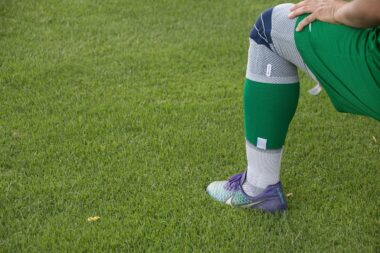
Another key component in preventing ankle injuries is focusing on proper technique during play. Athletes should be trained to recognize and avoid risky movements that can lead to injury, such as improper landing after jumps or poor foot placement during quick directional changes. Coaches can help by emphasizing good footwork and body mechanics during training drills. Drills that focus specifically on jump landings, cutting exercises, and change-of-direction maneuvers will significantly benefit players. Furthermore, employing ankle braces or taping can provide additional support during games, especially for players with a history of ankle injuries. Education on how to properly utilize these aids is vital for maximizing their protective benefits. Implementing a culture of injury awareness in your team can also lead to better outcomes. Encourage players to communicate any discomfort they experience during training or competition. Recognizing the early signs of potential injury can lead to timely intervention, reducing the chance of a severe injury occurring. Teams should also have a clear and accessible protocol for injury reporting and management. This not only aids recovery but also keeps players informed and attentive to their health, promoting a more cautious approach in training settings.
Nutrition and Hydration for Injury Prevention
Proper nutrition and hydration play a significant role in minimizing the risk of ankle injuries in basketball. Athletes should focus on a balanced diet rich in proteins, healthy fats, and carbohydrates to fuel their performance. Nutrients are essential for muscle recovery and overall strength. In particular, calcium and vitamin D are crucial for bone health and can contribute to reducing injury risks. It is also advisable to consume foods high in potassium and electrolytes to maintain fluid balance, especially during intense practices or games. Staying hydrated is equally important. Dehydration can lead to decreased coordination and increased risk of injuries. Players should aim to drink water consistently throughout the day and incorporate electrolyte-rich drinks, particularly after rigorous activities. Furthermore, incorporating anti-inflammatory foods, such as berries and fatty fish, can aid recovery and help manage any inflammation resulting from strenuous workouts. Consultation with a sports nutritionist can offer personalized dietary recommendations that align with an athlete’s unique needs and performance goals. Preparing and adhering to a meal plan tailored to optimize athletic performance will not only support injury prevention but also enhance overall strength and endurance.
Additionally, proper rest and recovery strategies are important for maintaining ankle health among basketball players. Overtraining can lead to fatigue, making players more susceptible to injuries. It’s essential for athletes to allocate time for each body part to recover, and this includes their ankles. Implementing rest days and incorporating active recovery techniques, such as gentle stretching or low-impact exercises, can promote injury prevention. Ice therapy is a practical approach following high-intensity sessions to reduce inflammation and alleviate soreness. Moreover, incorporating flexibility training into the regimen can significantly benefit ankle stability. Static stretching after practice helps maintain elasticity and range of motion around the joint. Engaging in yoga or Pilates can also develop not only flexibility but balance and core strength too. Regularly reassessing training loads and adjusting them as needed will foster optimal performance levels while safeguarding against injury risk. Consultation with healthcare professionals, including physiotherapists, can offer valuable insights on appropriate recovery strategies tailored to each athlete’s circumstances. Establishing a comprehensive recovery routine can greatly enhance an athlete’s longevity and performance on the court.
Strength and Conditioning Programs
Effective strength and conditioning programs can greatly reduce the risk of ankle injuries in basketball players. These programs are not only about building muscle strength; they can also improve agility, coordination, and overall athletic performance. A well-designed conditioning routine should include weight training focused on the lower body, particularly the calf, ankle, and foot muscles. Furthermore, plyometric exercises can enhance power and responsiveness, which are crucial for basketball movements. Exercises such as box jumps and lateral hops develop explosive strength that is fundamental during competitions. Incorporating functional training methods allows players to practice movements that mimic game situations, equipping them with the ability to navigate the court effectively. Conditioning should also involve speed drills to amplify quickness and footwork ability. Additionally, it is beneficial for players to include multidirectional drills in their training. These drills train the body to move and react in multiple directions, which is key in basketball gameplay. Establishing a solid foundation in strength and conditioning will positively influence not only performance but also the resilience of the ankle joint during play, ultimately reducing injury occurrences.
Understanding and acknowledging the psychological factors affecting performance is equally essential in injury prevention. Athletes often deal with pressure and anxiety, which can distract them during play, leading to poor decision-making and riskier movements that may cause injury. Programs focusing on mental skills training can significantly benefit athletes. Techniques such as visualization and relaxation strategies can help players cope with pre-game anxiety. Besides, encouraging a positive mindset promotes greater awareness of body mechanics and technique during gameplay. When players are mentally engaged and focused, they tend to execute strategies more effectively, which contributes to injury prevention. Establishing a strong team environment that supports mental well-being can also foster a more open space for players to express their fears and concerns. Lastly, building strong relationships between players and coaching staff is vital for athletes’ overall morale and performance. Coaches should instill confidence in players while also providing constructive feedback that encourages growth rather than fear of failure. This environment fosters resilience, further reducing the likelihood of injuries due to mental distractions during critical games or high-pressure situations.
Conclusion
In conclusion, implementing a comprehensive approach to ankle injury prevention is vital for basketball players. This involves a combination of physical training, proper nutrition, mental preparation, and recovery strategies. Athletes should focus on enhancing their strength and stability through targeted exercises. Additionally, awareness of technique and injury risks can help players make safer decisions during gameplay. Maintaining hydration and following an appropriate nutrition plan will further support physical resilience. Incorporating mental skills training will bolster players’ focus and overall performance. Teams should foster an environment that prioritizes communication regarding health concerns and injury signs. Finally, regular engagement with medical and coaching professionals will provide the necessary guidance to create tailored programs for each athlete’s needs. By making these best practices a standard, basketball teams can significantly reduce the chances of ankle injuries and promote a safer sporting environment for all players, leading to longer athletic careers and enhanced performance on the court.