
Fueling for Back-to-Back Games: Nutrition Strategies
When athletes participate in back-to-back games, their nutritional needs intensify greatly. Proper fueling ensures sustained energy levels, improved performance, and faster recovery. Key strategies include prioritizing carbohydrate intake to replenish glycogen stores. Foods like pasta, rice, and whole grain bread should be staples before and between games. Hydration is equally important; athletes must maintain fluid balance by drinking enough water and electrolyte-rich beverages throughout the day. Including easily digestible snacks, such as bananas or energy bars, can provide quick energy during games. Focus on consuming protein-rich foods for muscle recovery. Options like lean meats, dairy, or plant-based sources contribute to muscle repair. The timing of these meals impacts performance. Ideally, meals should be consumed about two to three hours before play. For quick snacks, aim for 30 minutes before the game. Avoid heavy, fatty foods that can lead to sluggishness. Also, consider addressing individual dietary needs, including allergies or intolerances, for optimal performance. Lastly, maintaining consistent meal timing throughout the training season establishes a routine that benefits energy levels during competitions. The right nutrition paves the way for peak performance during demanding match schedules.
Hydration Strategies for Athletes
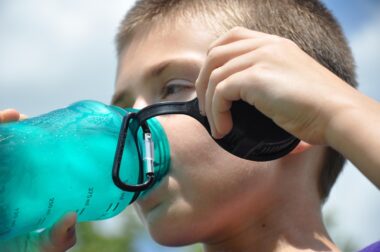
Staying hydrated is crucial for athletes engaged in strenuous sports, particularly during back-to-back competitions. The body’s need for fluids increases significantly with physical exertion. Therefore, athletes should start hydration well before the game begins and continue throughout the event. Water should be the primary fluid choice, but electrolytes are essential as well, especially after extensive sweating. Sports drinks containing electrolytes can help replenish vital nutrients lost through sweat. Additionally, athletes should aim to consume about 500-700 ml of fluid in the hours leading up to their performance. Monitoring urine color can serve as a helpful guide; light yellow indicates proper hydration. During matches, short intervals allow for fluid intake, which should be emphasized to maintain optimal performance. Consider using hydration packs or water bottles for easy access. Post-game recovery requires substantial hydration; rehydrating with fluids that include electrolytes post-exercise can effectively enhance recovery. Evade highly caffeinated beverages as they can lead to dehydration. Incorporating foods with high water content, such as watermelon or cucumbers, can also aid in hydration efforts. Implementing these hydration strategies can improve overall performance and recovery during back-to-back games.
Incorporating quality snacks into the athlete’s routine is key when facing multiple games in one day. Easily digestible options should be at the forefront of any nutritional game plan. Nutrient-dense snacks like trail mix, low-sugar granola bars, or yogurt can serve as perfect choices. They provide necessary carbohydrates, proteins, and healthy fats without causing sluggishness. Focused timing of these snacks is essential; ideally, they should be consumed about 30 minutes to an hour before games. This timing maximizes energy levels while minimizing digestive discomfort. Post-game, athletes should transition to higher protein snacks for muscle repair. Foods such as jerky, hard-boiled eggs, or protein shakes are ideal solutions. Consider establishing a designated snack station when teams travel to games, ensuring that athletes have easy access to healthy options. Pairing snacks with hydration can further enhance performance. Encourage players to listen to their bodies and eat when they feel hungry. Customized snack plans taking into account individual preferences can drive better adherence. By providing adequate nutrition and snack options, performance can be amplified in vital game moments, resulting in an overall more energizing experience during back-to-back competitions.
Meal Timing and Composition
The timing and composition of meals are vital for athletes competing in rapid succession. Ideal pre-game meals should consist of a balance of carbs, proteins, and fats, spaced appropriately before the match. Consuming a meal about three hours prior allows the body to digest adequately. A recommended meal could feature a serving of lean protein, such as chicken or fish, alongside a generous portion of carbohydrates, such as brown rice or quinoa, and colorful vegetables. This combination ensures athletes have ample glycogen stores. In the event that time is constrained, smaller meals high in carbohydrates and moderate protein, like a smoothie with fruits and yogurt, can be effective. Focusing on recovery post-match is equally essential; meals within 30-60 minutes serve as the perfect opportunity for repair. During this time, combine carbohydrates with protein, such as oatmeal paired with protein powder or a turkey sandwich on whole grain bread. Such post-game meals maximize recovery and prepare the body for the next competition. The careful management of meal timing and contents can drastically shift performance outcomes and is critical for athletes navigating back-to-back games.
Engaging in back-to-back games presents additional challenges for athletes, causing increased physical stress. To counteract fatigue, incorporating anti-inflammatory foods into the diet can be beneficial. Berries, leafy greens, and nuts are examples of foods that combat inflammation, aiding recovery. Athletes should aim to include these foods regularly in their diet to enhance recovery and performance. Omega-3 fatty acids, found in fish like salmon and chia seeds, can also help reduce inflammation. Incorporating these foods in meals and snacks allows athletes to maximize health benefits. Additionally, the integration of antioxidants will support the immune system during intensive training periods. Foods rich in vitamin C, such as oranges and bell peppers, should be daily staples. Moreover, monitoring overall caloric intake is crucial—athletes often require additional calories on game days to support energy needs. A tailored food journal can help track consumption and ensure dietary goals are met. Professional guidance from a sports nutritionist can enrich an athlete’s dietary strategy. Adjustments based on training intensity and type are significant. Combining these essential nutrients creates a pathway to maintaining wellness during the rigorous demands of team sports competitions.
The Importance of Rest and Recovery
While nutrition is vital during back-to-back games, equally important is understanding the role of rest and recovery. Athletes should not underestimate the recovery period between games; it is an essential component of performance. Adequate sleep, ideally around 7-9 hours, allows the body to recover and recharge. Poor sleep can diminish performance, focus, and overall energy levels. Establishing a pre-sleep routine, such as limiting screen time and engaging in relaxation techniques, can contribute positively to sleep quality. Post-activity, programmed cool-down exercises can facilitate recovery by promoting blood flow to fatigued muscles. Stretching, foam rolling, and light physical activity can help reduce muscle soreness. Additionally, incorporating rest days into a training regimen aids in preventing burnout and injuries. Active recovery, which involves light movement, can keep the body relaxed and facilitate healing. Athletes should communicate any sensations of fatigue to coaching staff to facilitate proper rest. Balancing nutrition with sufficient rest and active recovery measures ensures athletes maintain optimal performance during consecutive matches. Recognizing the importance of rest is a crucial element of competitive success in team sports, especially during challenging competitions.
To sum up, strategic nutrition plays a transformative role in helping athletes excel during back-to-back games. Balancing meals, hydration, and recovery practices creates a robust framework for sustained performance. The integration of nutrient-dense foods, the proper timing of meals and snacks, and dedicated recovery strategies must be at the forefront of an athlete’s daily regimen. Knowledge of one’s personal positive and negative food impacts can aid in refining dietary choices. Encourage daily practices of keeping a record of food intake, energy levels, and performance outcomes for effective evaluation. Collaborating with nutritionists can tailor these strategies effectively to each athlete’s specific needs. Remember to consider team dynamics, as group dining can present unique dietary opportunities as well. Through organized meal preparation, athletes can ensure their nutritional needs are consistently met prior to daily competitions. Effective communication with coaches plays a vital role as well; detailing individual requirements can drive progress. By implementing these nutrition strategies, athletes can be better equipped to handle the physical demands that accompany back-to-back games, ultimately leading to improved performance and success in team sports.