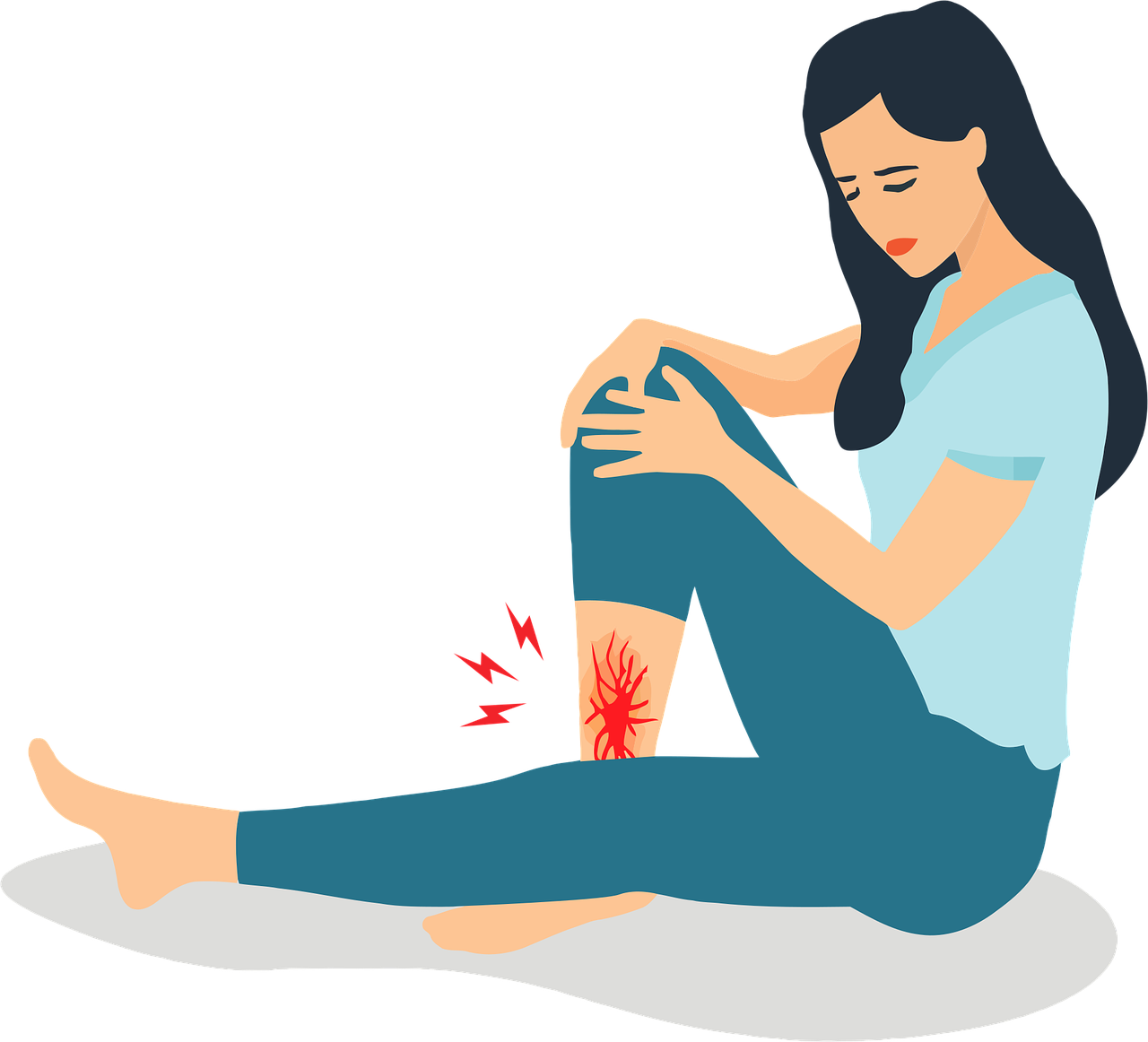

Rehabilitation Exercises for Ankle Sprains in Parkour Practitioners
Ankle sprains are a common injury among parkour practitioners, necessitating effective rehabilitation exercises. First and foremost, understanding how to prevent further injury is paramount. Practicing balance and stability exercises can be highly beneficial in the early stages of recovery. One crucial exercise is ankle range-of-motion movements, contributing to flexibility and strength. These movements might include pointing and flexing the foot, which helps maintain mobility while healing. Strengthening exercises like resistance band workouts can assist in targeting the surrounding muscles. Additionally, it’s essential to incorporate proprioceptive training, as it enhances balance and coordination. Keeping within the pain-free range while exercising is vital to avoid exacerbating the injury. Gradual progression from simple exercises to more complex activities ensures a safer return to parkour. Consistency is key; practicing these exercises daily can significantly speed up recovery. Remember that every individual heals at their own pace, so listen to your body and adjust accordingly to avoid setbacks. Seek the guidance of a trained physical therapist for personalized rehabilitation protocols to enhance recovery effectively.
Rehabilitation exercises for ankle sprains must also focus on restoring full functionality and preventing future injuries. An important component involves establishing a strong foundation of strength in the ankle and surrounding muscles. One of the leading exercises is calf raises, which can help build endurance in the calf muscles and improve ankle stability. Performing these on a step can increase the range of motion, further enhancing flexibility. Single-leg balance exercises are also beneficial; they foster stability while requiring the ankle to work harder. The addition of slight movements, like reaching or head turns while balancing, will engage more stabilizing muscles. Additionally, wall squats are useful in strengthening the knees and ankles while providing balance training. Engaging in these exercises in a controlled environment can be advantageous before transitioning to parkour activities. If outside help is unavailable, recording progress or using a mirror might provide a visual cue for improvement. Always focus on proper form, as incorrect patterns may lead to further injuries. By dedicating time to these exercises systematically, practitioners can engage in parkour activities with greater confidence and reduced risk of re-injury.
Importance of Flexibility Training
Flexibility training plays a critical role in rehabilitating ankle sprains, particularly for parkour enthusiasts. Flexibility aids in maintaining the range of motion, ensuring that the ankle can adapt to the dynamic movements common in this sport. One effective strategy is gently stretching the achilles tendon and calf muscles, as these areas are vital for overall ankle function. Perform stretches such as the standing calf stretch using a wall for support. Hold the position for 15 to 30 seconds, repeating several times daily. Ensuring that muscle groups surrounding the ankle like the quadriceps and hamstrings receive attention is equally important. Incorporating yoga or Pilates can enhance overall flexibility while promoting body awareness. Notably, dynamic stretches before engaging in physical activity can help to prepare the ankle adequately. When practicing parkour, warm up with light jogging or leg swings to prevent injury. Moreover, keeping hydrated is essential for joint lubrication and muscle recovery. It’s recommended to work closely with rehabilitation specialists to tailor flexibility routines based on individual recovery progress and specific parkour practices.
Moreover, applying ice and resting the injured ankle should not be overlooked in injury management. Ice application can decrease inflammation and pain, which is crucial in the early stages post-injury. After the initial swelling subsides, transitioning from ice therapy to heat therapy can further promote healing. As practitioners progress through exercises, it might be essential to evaluate the effectiveness of each exercise. Tracking improvements along the way boosts motivation and ensures the recovery process remains on course. Introducing multi-planar movements gradually can add variety to the rehabilitation program. This may include lateral step-ups and diagonal lunges, which simulate the dynamic movements found in parkour itself. Utilizing foam rollers can greatly improve blood flow to the lower leg, enhancing recovery speeds. Listening to your body is critical throughout this phase; any sharp pain is a sign to modify the exercise regimen. Finally, consistency and patience in rehabilitation practices are paramount in getting back to parkour safely. Always prioritize technique and form above the number of repetitions to achieve better results.
Nutrition’s Role in Recovery
Nutritional considerations also significantly influence recovery from ankle sprains for parkour practitioners. A well-balanced diet rich in anti-inflammatory foods can expedite healing processes. Emphasizing proteins, healthy fats, and antioxidants is essential for muscle repair. Protein sources such as chicken, fish, beans, and nuts can aid in muscle rebuilding. Healthy fats found in avocados and olive oil are important in reducing inflammation. Leafy greens and colorful fruits provide the necessary vitamins and minerals that promote recovery. Additionally, hydration cannot be overlooked; it plays a crucial role in overall muscle function and joint health. Incorporating supplements like Omega-3 fatty acids may further reduce inflammation and aid recovery. Regular meals combined with snacks can help maintain energy levels, especially during rehabilitation activities. Practitioners might also consider consulting with a nutritionist to create a personalized meal plan addressing specific needs during recovery. Lastly, education on dietary choices can enhance outcomes significantly, as optimal nutrition equips the body for the physical demands of rehabilitation and subsequent parkour activities.
Furthermore, mental preparation is vital in the rehabilitation process for ankle sprains. Practitioners often face psychological barriers, such as fear of re-injury. Implementing visualization techniques can help combat this fear, where individuals picture themselves performing movements confidently and safely. Engaging in relaxation exercises like deep breathing has proven effective in reducing anxiety surrounding rehabilitation. Maintaining a positive mindset through journaling progress daily can bolster motivation and facilitate emotional healing. Additionally, surrounding oneself with a supportive community can enhance resilience during recovery. Communicating with fellow practitioners about their experiences can provide not only motivation but also practical advice. Mindfulness practices can indeed help focus on the present, minimizing worries about potential setbacks. Joining a local parkour group to engage in modified training can be an excellent way to stay connected to the sport without overexerting. Acknowledging small wins and celebrating milestones during recovery reinforces motivation. Mental toughness developed during rehabilitation is invaluable. It not only contributes to physical success but also enhances overall parkour performance once fully recovered.
Return to Parkour
Finally, a gradual and structured return to parkour is crucial to avoid re-injury after recovering from an ankle sprain. Practitioners should begin by assessing their physical capabilities, utilizing any fitness testing tools available. Commencing with low-impact exercises such as swimming or cycling can gradually build stamina. As confidence increases, starting to incorporate light parkour drills into practice can test the ankle’s stability. It is important to limit the intensity and complexity of these drills initially. Working on basic vaults and landing softly will ensure that the ankle does not undergo undue stress. Monitoring the body’s reactions during these attempts allows individuals to gauge readiness for more challenging maneuvers. Tracking pain levels helps determine when to progress to higher-impact activities while ensuring safety is prioritized. Furthermore, establishing a well-defined plan that includes short-term and long-term goals will provide clarity during transitions back to full training. Remaining diligent in following rehabilitation strategies will ultimately yield better performance outcomes in parkour. Returning to the discipline too hastily may jeopardize the results of rehabilitation, making a well-planned strategy essential for success.
In conclusion, rehabilitation exercises for ankle sprains within the parkour community underscore the need for comprehensive injury management. These strategies emphasize flexibility, strength training, and proper nutrition, all critical elements in recovery. Coupled with mental resilience and thoughtful progressions, the journey back to parkour can be rewarding. Practitioners must give themselves grace during this process; healing takes time. Key rehabilitation activities offer effective methods to strengthen and protect the ankles. Careful observation and interactivity with fellow practitioners provide camaraderie that can make rehabilitation enjoyable. Ultimately, the experiences gleaned during recovery can tremendously inform future practice, helping prevent subsequent injuries. Engaging in supportive environments often reinforces positivity, which is crucial in rehabilitation narratives. The merging of physical and mental recovery culminates in more robust parkour skills and subsequently improved self-confidence. By utilizing the exercises and approaches outlined here, practitioners can adequately set the stage for a safe return to action. With dedication, patience, and well-rounded strategies, parkour enthusiasts can rebound stronger following an ankle sprain.