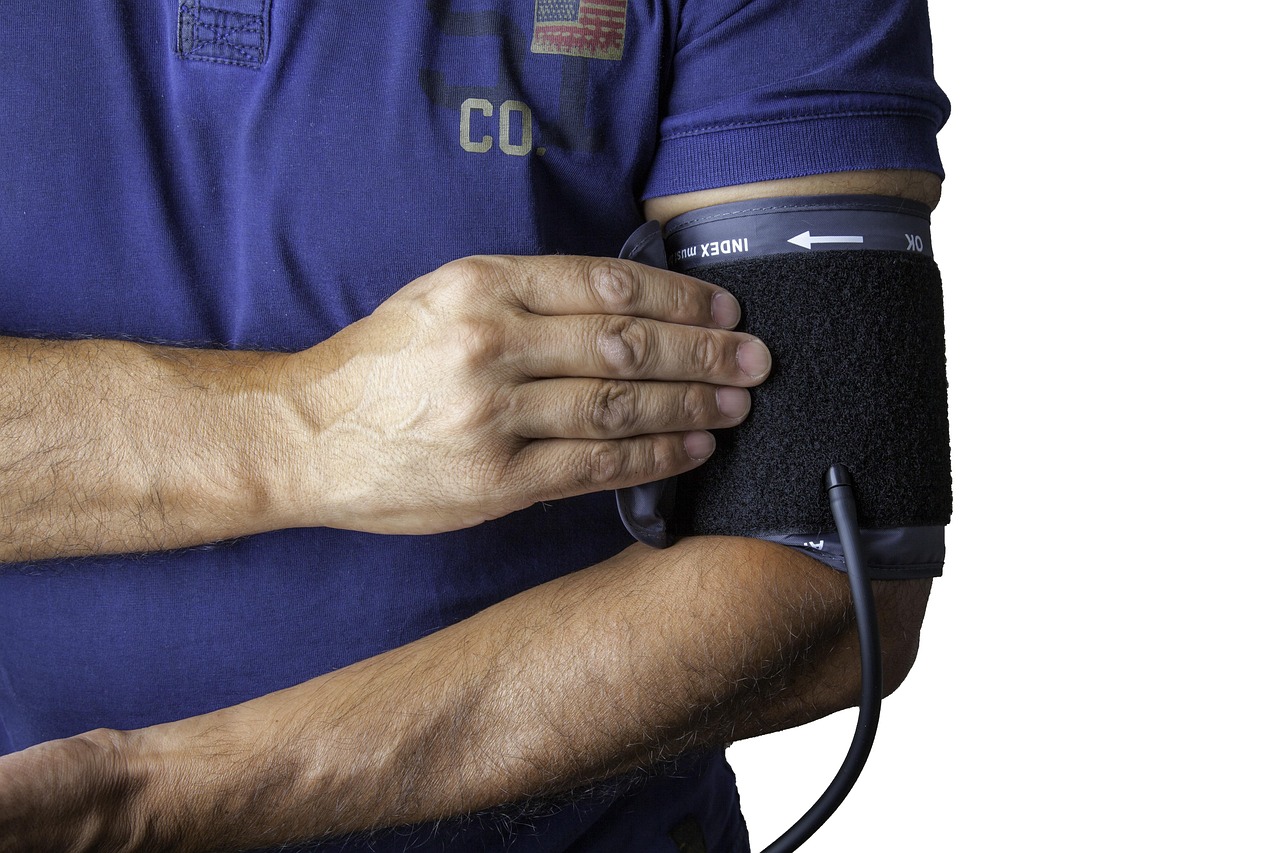

The Connection Between Sleep Apnea and Blood Pressure in Sports Performance
Sleep apnea is a serious sleep disorder that affects many athletes. It causes breathing to repeatedly stop and start during sleep, which leads to poor sleep quality. Approximately 30% of individuals with sleep apnea also have hypertension, or high blood pressure. This condition can significantly impact athletic performance, making it essential for athletes to be aware of its effects. Chronic sleep disturbances like those caused by sleep apnea can lead to decreased oxygenation of the blood. When oxygen levels drop, the heart has to work harder, leading to elevated blood pressure. Furthermore, sleep apnea can cause the release of stress hormones, such as cortisol and adrenaline. These hormones increase heart rate and blood pressure, presenting challenges for athletes. To improve fitness levels, athletes must prioritize restful sleep. Failure to do so could hinder training and competition performance. Monitoring and addressing sleep-related issues can help maintain optimal blood pressure levels. Consequently, it’s vital for athletes to undergo evaluations for sleep apnea if they exhibit symptoms. These symptoms can include excessive daytime sleepiness, loud snoring, or gasping for air during sleep. Early diagnosis is key for improved health outcomes.
Finding solutions for sleep apnea is crucial for athletes looking to enhance their sports performance. Athletes often require rigorous training schedules, and sleep is necessary for recovery and muscle repair. When sleep apnea disrupts rest, it can lead to decreased endurance and slower reaction times. Implementation of lifestyle changes, such as maintaining a healthy weight, may help alleviate symptoms of sleep apnea. Additionally, regular exercise can improve sleep quality and reduce blood pressure levels. Athletes should also consider consulting with a specialist about using continuous positive airway pressure (CPAP) therapy. This treatment involves using a machine to help keep airways open during sleep, allowing for uninterrupted rest periods. Another option is positional therapy, where individuals learn to sleep in positions that minimize airway blockages. Athletes can also benefit from practicing good sleep hygiene. This includes establishing a consistent sleep schedule, creating a comfortable sleep environment, and avoiding stimulants before bed. Incorporating relaxation techniques, like meditation or deep breathing exercises, may further improve sleep quality. In the long term, these strategies can enhance an athlete’s overall health and performance.
Understanding Blood Pressure in Athletes
High blood pressure can have serious implications for athletes, especially those with existing sleep apnea. It can lead to cardiovascular issues, such as heart disease and stroke, which can compromise sports performance. Athletes must regularly monitor their blood pressure to ensure their heart health remains optimal. Understanding how blood pressure affects fitness levels is essential. During physical activity, blood pressure naturally rises, but it should return to baseline levels shortly after exercise. However, if resting blood pressure is consistently high, it can indicate underlying health problems. Athletes with sleep apnea may experience increased blood pressure while at rest, making this tracking essential. Many athletes underestimate the connection between their sleep quality and physical health. Addressing sleep apnea not only reduces the risk of hypertension but also improves overall well-being. Additionally, sleep apnea can lead to increased fatigue and decreased cognitive function, further affecting performance. Coaches and trainers should encourage athletes to report symptoms of sleep apnea and recognize its consequences on blood pressure and recovery rates. Understanding these factors is pivotal for creating effective training strategies and maintaining healthy performance.
Furthermore, athletes can benefit from incorporating relevant medical check-ups as part of their training regimen. Regular screening for sleep apnea is advisable, especially for athletes exhibiting risk factors. These factors may include obesity, a family history of sleep apnea, or anatomical abnormalities that contribute to airway obstruction. When diagnosed, addressing sleep apnea through medical guidance could lead to significant improvements in athletic outcomes and blood pressure management. Athletes should also work closely with medical professionals to develop personalized strategies for managing the condition. The importance of sleep in achieving peak performance cannot be overstated. Quality sleep contributes not only to physical recovery but also to mental focus and emotional resilience. By recognizing the symptoms and potential complications of sleep apnea, athletes can take proactive measures to mitigate its effects on their health. In addition, education about the links between sleep apnea, heart health, and blood pressure must be integrated into athletic training programs. Trainers should prioritize sleep education and encourage open discussions regarding sleep-related concerns among athletes. Ultimately, improving awareness can lead to better health outcomes in the athletic community.
Conclusion and Recommendations
In conclusion, the relationship between sleep apnea, blood pressure, and overall sports performance underscores the significance of prioritizing sleep. Athletes should not overlook sleep hygiene and watch for symptoms associated with sleep apnea. Regular evaluations for sleep conditions are essential to identify and treat these disorders early. Implementing appropriate lifestyle changes can significantly impact blood pressure regulation and athletic performance over time. Moreover, maintaining an open dialogue with coaches, trainers, and healthcare professionals can enhance awareness of sleep’s role in recovery. Practical recommendations include minimizing alcohol and caffeine intake, adhering to sleep schedules, and creating conducive environments for sleep. Athletes must recognize that efforts to manage sleep apnea can improve their ability to train effectively. Utilizing technology, such as sleep trackers or heart rate monitors, can provide insights into their sleep cycles. Implementation of restorative practices, like stretching or yoga, can assist in reducing stress levels and improving sleep quality. By addressing these factors, athletes give themselves the opportunity to achieve their highest potential. Awareness of the connection between sleep apnea and blood pressure fosters not only improved athleticism but also enhances life quality.
Ultimately, achieving optimal health and performance levels requires understanding and action. The interplay between sleep, blood pressure, and sleep apnea is significant for athletes at all levels. Organizations and sports teams must provide resources and education on this topic to promote overall well-being. By integrating sleep assessments into athlete evaluations, teams can prioritize their members’ health and sporting success. Furthermore, fostering environments that support healthy sleep habits can contribute to better results. Collaborating with sleep specialists can empower athletes to manage their conditions effectively. In addition, athletes must learn to recognize their sleep needs and prioritize recovery as an integral part of their training. With the right tools and support, athletes can enhance their performance while minimizing health risks. The focus should remain on holistic health approaches that combine training, nutrition, and adequate rest. Addressing sleep apnea and its relationship with blood pressure in sports highlights essential areas of athletic health. By applying information learned about sleep and performance, athletes can navigate their competitive journeys more successfully. This knowledge is vital for creating balanced training regimens, ensuring longevity in their sports careers.
In summary, the connections between physiological processes, sleep disorders, and sports performance are crucial areas for athletes and trainers. The research indicates a strong link between sleep quality, the prevalence of sleep apnea, and management of blood pressure. Athletes who prioritize sleep will likely see enhancements in performance, health, and mood. Initiatives to promote education around sleep can create lasting positive change. Incorporating sleep awareness into sports science curricula may benefit coaches and trainers. Strengthening communication between teams, athletes, and health professionals ensures everyone is on the same page regarding health interventions. Additionally, leveraging technology such as apps designed to improve sleep can provide better insights for athletes. A multi-disciplinary approach, integrating sleep medicine and sports science, can further our understanding of these complex interactions. Diversifying training techniques to include sleep recovery strategies is necessary for progress. Athletes must adapt their strategies to fit their individual health profiles while focusing on developing a supportive community. By acknowledging the serious implications of sleep apnea on blood pressure and performance, the athletic arena can thrive. Lastly, these insights contribute to the overall longevity and satisfaction of those involved in athletics.
Continued research into the links between sleep apnea, blood pressure, and athletic performance will yield valuable insights for both trainers and athletes. As the understanding of these relationships deepens, effective strategies can be developed that allow athletes to achieve optimal health outcomes. Establishing standardized guidelines around sleep evaluation and interventions will help mitigate risks associated with poor sleep and high blood pressure. By advocating for more awareness of sleep disorders within sports, we can create an informed community ready to engage with these pressing issues. Offering workshops or seminars on sleep health tailored to athletes can also promote conversations around this topic. Educational resources can empower athletes to take active roles in their recovery and performance. As athletes become more knowledgeable about their health, they can make better decisions that benefit their careers and recovery paths. A collaborative approach involving nutrition, training, and sleep recovery can foster athlete resilience. Furthermore, encouraging athletes to prioritize self-care will lead to healthier athletic environments. In summary, the awareness of the connections between sleep apnea, blood pressure, and sports performance allows for maximizing athletes’ potential. Addressing these elements will have wide-reaching benefits for health in all athletic endeavors.